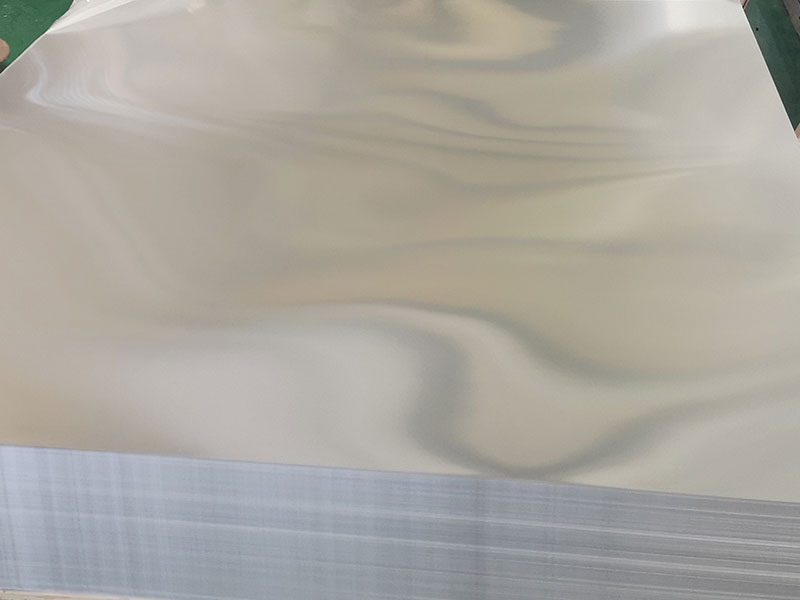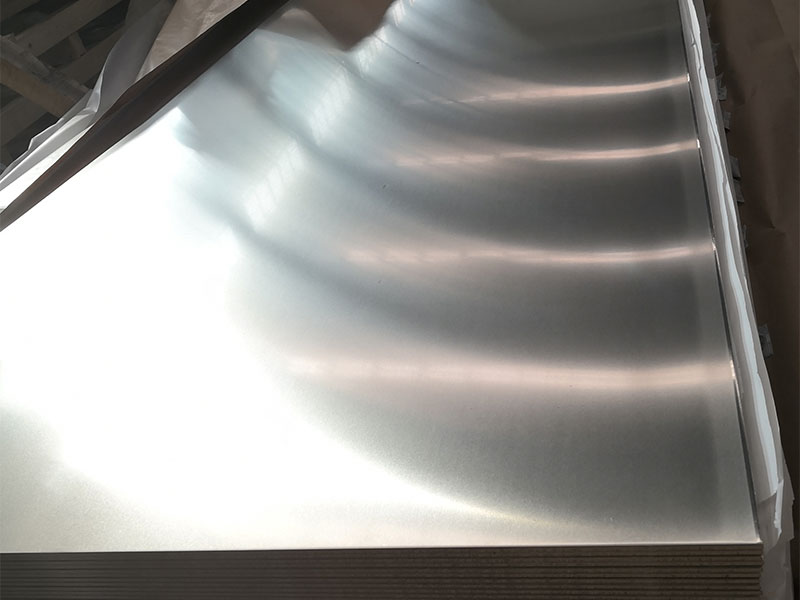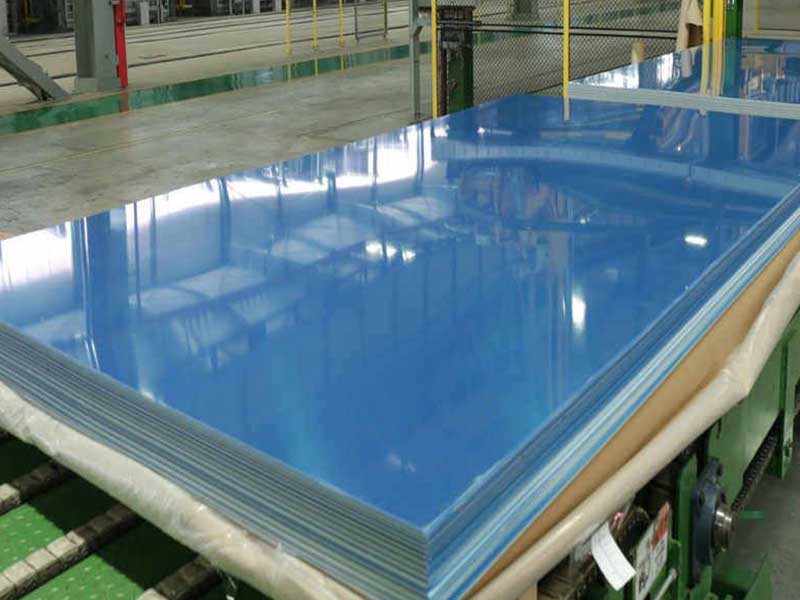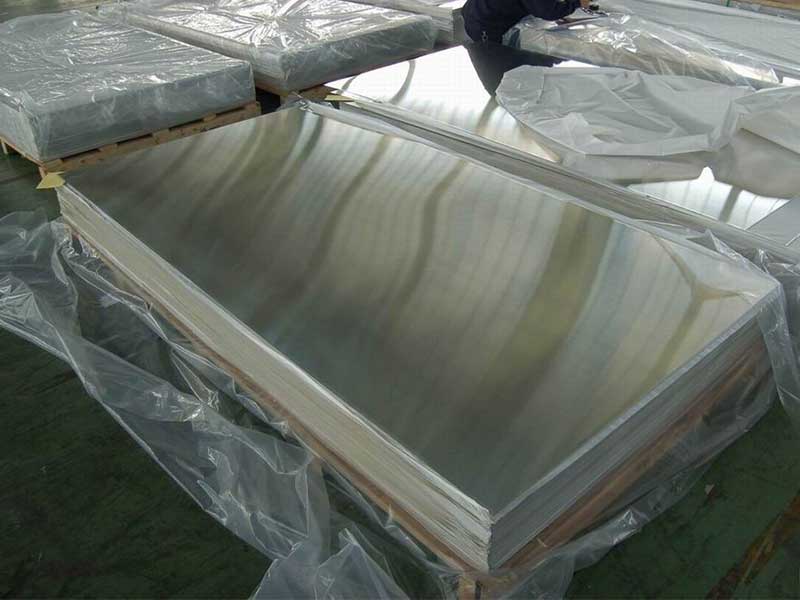

Anodized aluminum sheet 14 16 18 20 30 Micron
Anodized Aluminum Sheet 14/16/18/20/30 Micron: When the Surface Becomes the Performance
An anodized aluminum sheet is often described as "aluminum with a protective finish," but that definition undersells what's really happening. In practice, anodizing transforms the surface into a functional layer that behaves less like paint and more like an engineered ceramic skin-integrated with the base metal rather than sitting on top of it. When you specify anodized aluminum sheet at 14, 16, 18, 20, or 30 micron, you're not just selecting a look; you're choosing a precise balance of corrosion resistance, abrasion durability, color stability, and lifecycle cost.
This thickness range is a sweet spot for many high-visibility, high-touch, or semi-exposed applications. It's thick enough to meaningfully improve wear and weather performance, while still remaining economical and easy to fabricate for general industrial and architectural use.
What "14–30 Micron" Really Means in Use
Anodic film thickness is measured in micrometers (µm). The thicker the anodized layer, the more robust the barrier protection and the better the resistance to scratching and environmental attack. However, thickness also affects appearance, dimensional tolerance, and sometimes conductivity needs.
A distinctive way to view the 14–30 micron range is as "functional clarity." It's where anodizing stops being merely decorative and starts acting like a performance specification:
- Around 14–16 micron is commonly used when you want dependable indoor durability, frequent handling resistance, and a clean metallic aesthetic with moderate protection.
- Around 18–20 micron is a practical "all-rounder" for mixed environments, including sheltered outdoor use and industrial interiors where cleaning, contact, or mild abrasion are expected.
- Around 30 micron pushes into heavier-duty expectations-more abrasion tolerance and improved corrosion protection for exterior components, transport equipment, and demanding maintenance cycles.
Because anodizing is a conversion process, the layer is partly grown inward and partly outward from the original surface. That means thickness selection matters when tight-fit assemblies or precision parts are involved.
How Anodizing Works: A Controlled Oxide Architecture
Anodizing uses an electrolytic process to build aluminum oxide (Al₂O₃) on the sheet surface. This oxide is not a coating in the paint sense; it's a hard, porous structure that can be sealed for enhanced corrosion resistance and stain resistance. The pores can also absorb dyes, enabling stable metallic colors.
functional outcomes of anodized aluminum sheet include:
- Corrosion resistance by isolating the base metal from oxygen, salts, and moisture pathways
- Enhanced surface hardness and abrasion resistance compared with mill finish aluminum
- Improved UV stability compared with many organic coatings (especially for metallic tones)
- Excellent aesthetic consistency with a premium metallic feel, particularly with brushed or satin finishes
- Better cleanliness and easier maintenance after proper sealing
Sealing is crucial. A sealed anodic layer resists contamination and fingerprint staining much more effectively, which matters for consumer-facing panels, appliance skins, and decorative trims.
Typical Implementation Standards and Process References
Anodized aluminum is widely standardized, which helps customers specify film thickness and quality confidently across suppliers.
Commonly referenced standards include:
- ISO 7599, Anodizing of aluminum and its alloys - General specifications for anodic oxidation coatings
- ASTM B580, Standard Specification for Anodic Oxide Coatings on Aluminum
- MIL-A-8625 (Type II sulfuric anodize; Type III hard anodize), frequently referenced in industrial contexts
Depending on the market, architectural anodizing is often aligned with regional quality requirements for appearance, thickness consistency, and sealing performance. If the sheet is meant for exterior architectural use, a 20 micron or 30 micron anodic film is frequently selected to support long service life.
Parameters Customers Typically Specify
Anodized aluminum sheet is best purchased by specifying both the substrate and the anodic system. Common parameters include:
- Alloy and temper, such as 1050, 1060, 1100, 3003, 5005, 5052, 6061; tempers like H14, H24, H32, O, T4, T6
- Anodized film thickness: 14 µm, 16 µm, 18 µm, 20 µm, 30 µm
- Anodizing type: sulfuric acid anodize (Type II) is common for this thickness range
- Color: natural, clear, bronze, black, champagne, or custom dyed tones
- Surface finish: mill finish anodize, brushed, satin, brightened, embossed
- Sealing method: hot water seal, nickel acetate seal, mid-temperature seal (chosen based on staining resistance needs)
- Sheet thickness and tolerance: selected based on forming and stiffness requirements
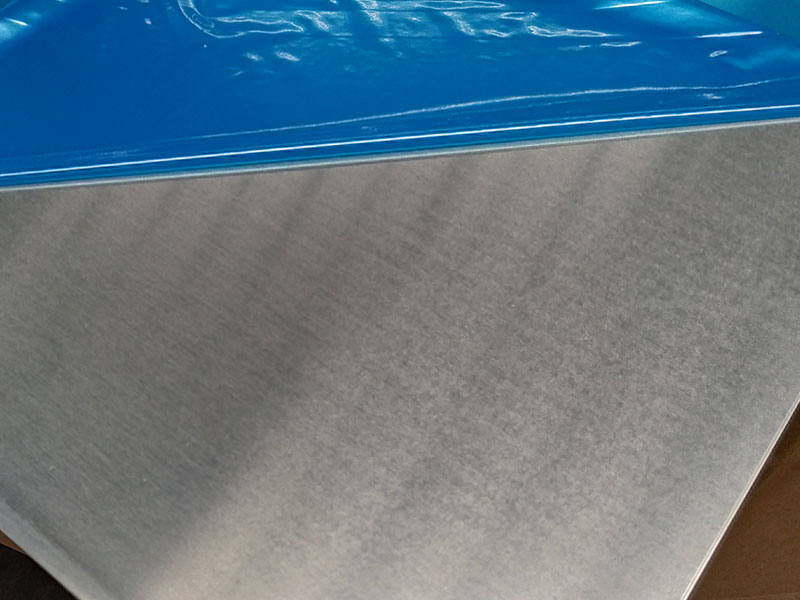
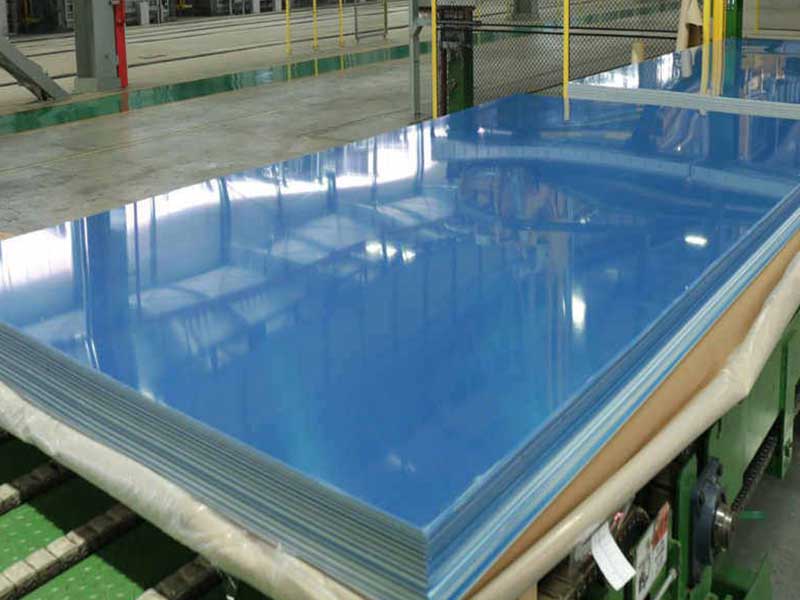
- Protective film: recommended for transport and fabrication to preserve appearance
Alloy and Temper: The Base Metal Still Matters
A useful way to understand anodized sheet performance is that the anodic film amplifies the strengths and weaknesses of the underlying alloy. Alloy selection affects anodizing color uniformity, reflectivity, and corrosion behavior at cut edges.
Common choices include:
- 5005 (often preferred for anodizing aesthetics): delivers good color consistency and a clean appearance, widely used for architectural trims and decorative panels
- 3003: excellent formability and cost efficiency; anodized appearance can be acceptable, often used in general fabrication and interior panels
- 5052: stronger and more corrosion-resistant, good for marine-adjacent or industrial environments; anodized finish may show slightly different tonality
- 6061: higher strength for structural needs; can anodize well, commonly used where machining plus anodizing is required
Temper affects formability and strength. Softer tempers (O) form easily; harder tempers (H32, H34, T6) provide rigidity. If deep drawing, bending, or tight radius forming is needed, pairing the right temper with a moderate anodic thickness helps prevent cracking or visual stress lines.
Chemical Properties: Typical Composition Table (Reference)
Chemical composition varies by standard and supplier; the following table shows typical maximum ranges used in common specifications for anodizing-friendly sheet alloys.
| Alloy | Si (%) | Fe (%) | Cu (%) | Mn (%) | Mg (%) | Cr (%) | Zn (%) | Ti (%) | Al (%) |
|---|---|---|---|---|---|---|---|---|---|
| 1050 | 0.25 | 0.40 | 0.05 | 0.05 | 0.05 | 0.05 | 0.05 | 0.03 | Balance |
| 1060 | 0.25 | 0.35 | 0.05 | 0.03 | 0.03 | 0.05 | 0.05 | 0.03 | Balance |
| 1100 | 0.95 (Si+Fe) | - | 0.20 | 0.05 | - | - | 0.10 | - | Balance |
| 3003 | 0.60 | 0.70 | 0.05–0.20 | 1.0–1.5 | - | - | 0.10 | - | Balance |
| 5005 | 0.30 | 0.70 | 0.20 | 0.20 | 0.5–1.1 | 0.10 | 0.25 | 0.20 | Balance |
| 5052 | 0.25 | 0.40 | 0.10 | 0.10 | 2.2–2.8 | 0.15–0.35 | 0.10 | - | Balance |
| 6061 | 0.4–0.8 | 0.70 | 0.15–0.40 | 0.15 | 0.8–1.2 | 0.04–0.35 | 0.25 | 0.15 | Balance |
For critical appearance requirements, 5005 is frequently selected because it tends to anodize with more uniform color and fewer alloy-related visual variations.
Functions and Applications: Where 14–30 Micron Excels
The most valuable perspective on anodized aluminum sheet is to treat it as a "maintenance strategy." You're purchasing time-less repainting, fewer replacements, easier cleaning, and fewer cosmetic complaints.
Common applications include:
- Architectural panels, soffits, column covers, interior wall cladding, elevator interiors, door plates, and trim profiles
- Transportation interiors and exterior components, including bus trims, rail interior panels, luggage rack skins, and durable signage backplates
- Electronics and appliance skins, control panels, and decorative faceplates where scratch resistance and premium appearance matter
- Lighting reflectors and housings, especially when a stable metallic surface is preferred over paint
- Industrial covers, enclosures, machine guards, and nameplate substrates where solvents, handling, and cleaning are routine
- Retail fixtures, display frames, and branded décor where consistent metallic color and surface "feel" influence customer perception
If the environment includes frequent touch, cleaning chemicals, or outdoor exposure, moving from 14–16 micron toward 20–30 micron can substantially improve long-term appearance retention.
Choosing the Right Micron Thickness Quickly
Selecting anodized aluminum sheet in 14/16/18/20/30 micron is ultimately a decision about wear, environment, and appearance stability. Lower values suit controlled interiors and cost-sensitive projects; higher values reward you in abrasion resistance, corrosion performance, and service life-especially when sealing quality is high and alloy selection supports uniform anodizing.
https://www.aluminumplate.net/a/anodized-aluminum-sheet-14-16-18-20-30-micron.html