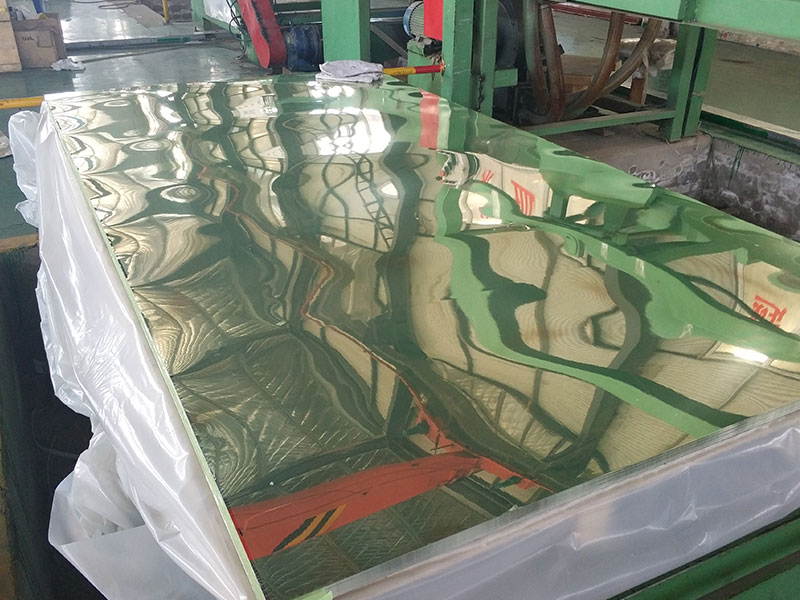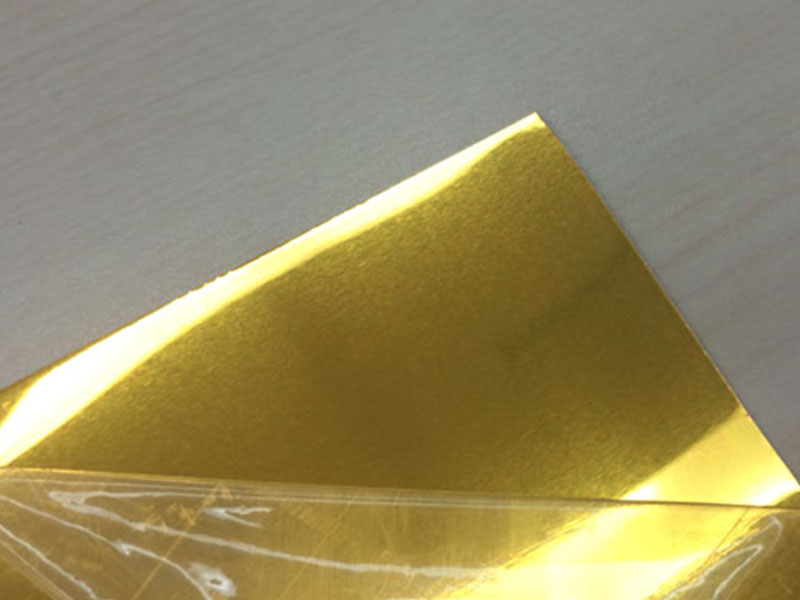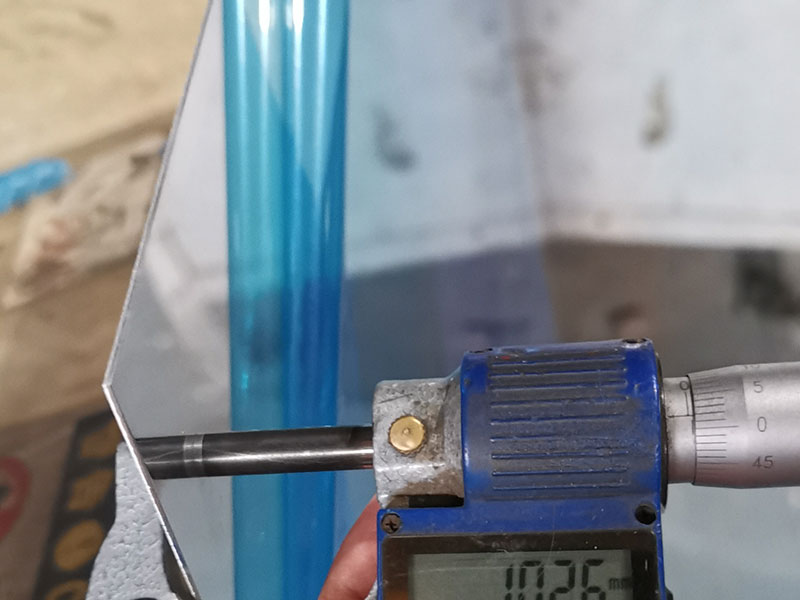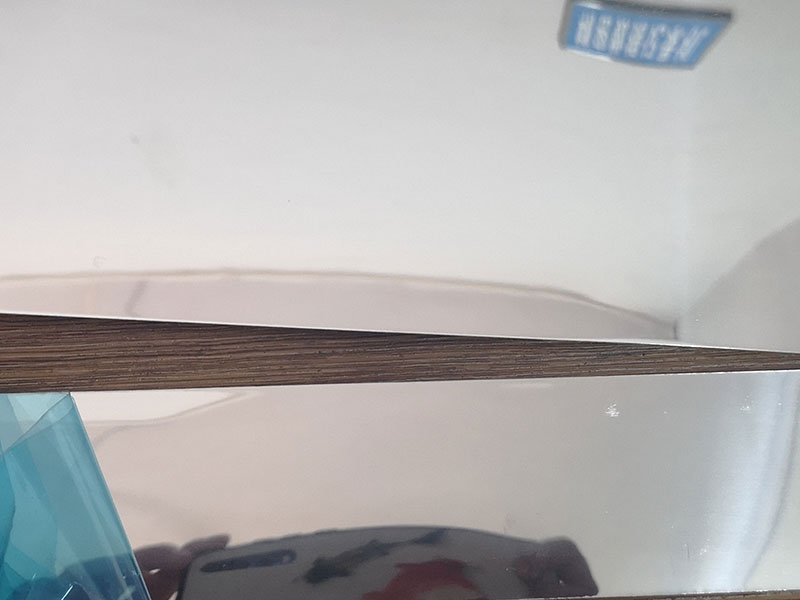

2.7mm, 1.8mm, 2mm, 1.5mm Thickness Double Coated Aluminum Mirror
Double coated aluminum mirror sheet combines a bright, reflective aluminum surface with a protective coating system engineered for long-term appearance and handling durability. Offered in practical gauges such as 2.7mm, 2.0mm, 1.8mm, and 1.5mm, this product is designed for customers who want the visual impact of a mirror finish without the fragility and weight of glass. It is widely selected for interior decoration, signage, display fabrication, furniture accents, ceiling and wall panels, appliance trims, and light-reflective components where controlled reflectivity and surface stability are critical.
What "Double Coated Aluminum Mirror" Means
A double coated aluminum mirror is typically produced by:
- Selecting a high-quality aluminum substrate with consistent surface quality
- Applying a mirror finish (commonly bright polished or high-reflective surface preparation)
- Building a two-layer coating system on the reflective side to protect the mirror effect and reduce sensitivity to scratching, staining, and oxidation
In many supply programs, the reverse side is also protected with a service coating or primer layer, improving corrosion resistance and handling durability during fabrication. The "double coated" concept is valued because a mirror finish alone is visually but can be vulnerable; coatings provide the practical protection that allows the material to be cut, bent, installed, cleaned, and kept in service with reduced maintenance.
Features That Matter in Use
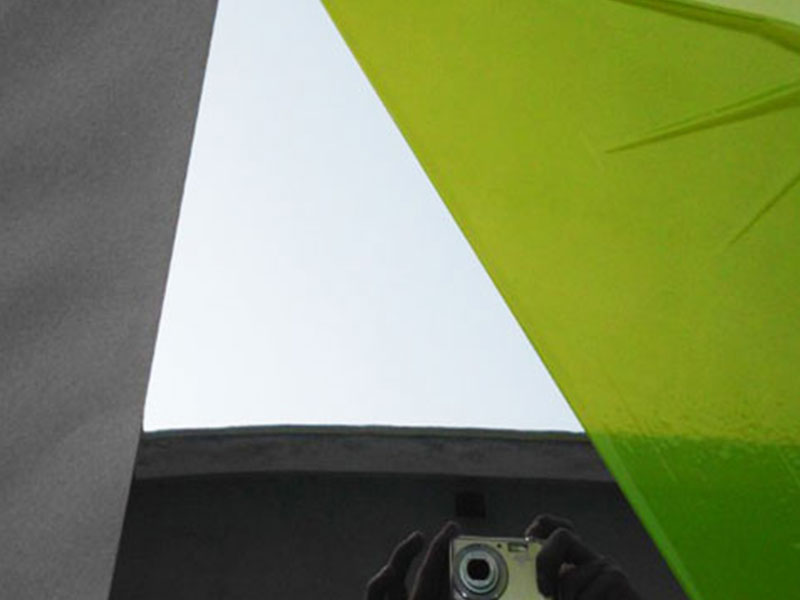
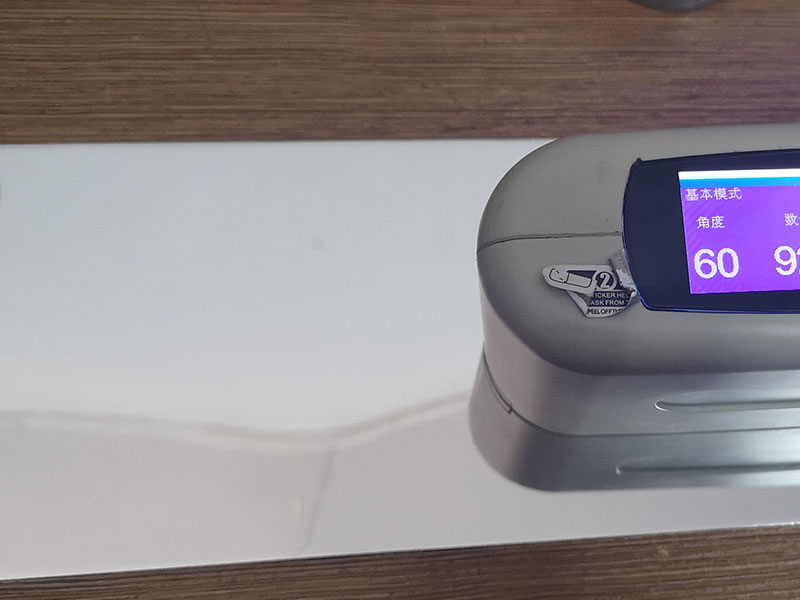
High reflectivity with a clean, modern look
The mirror surface creates a premium aesthetic for architectural and consumer applications. Compared with stainless mirror, aluminum mirror sheet offers a lighter mass and is easier to process.
Coating-protected surface for fabrication and daily cleaning
The coating system acts as a functional shield against:
- Fingerprints and light staining
- Micro-scratches from routine wiping
- Oxidation-related dulling over time
- Mild chemical exposure from cleaners (application-dependent)
Lightweight with good rigidity options across thicknesses
Thickness selection is a practical lever for stiffness, flatness stability, and "oil-canning" control on large panels. For the same panel size, moving from 1.5mm to 2.7mm significantly increases rigidity and improves perceived quality in installed surfaces.
Easier and safer than glass mirrors in many environments
Aluminum mirror avoids shattering risks and reduces load on frames, partitions, and suspended ceiling systems. This is particularly valuable in high-traffic retail areas, public interiors, transport interiors, and display fixtures.
Typical Alloy & Chemical Composition (Reference)
Double coated mirror sheet is commonly based on 1xxx (high purity aluminum for top reflectivity) or 3xxx/5xxx series (for higher strength and better formability balance). Actual alloy choice depends on target reflectivity, forming needs, and cost.
| Alloy Family | Typical Alloy Examples | Why It's Chosen for Mirror Sheet |
|---|---|---|
| 1xxx (High purity) | 1050, 1060, 1070 | Excellent reflectivity potential, clean appearance |
| 3xxx (Al-Mn) | 3003 | Better strength than 1xxx, good forming, stable substrate |
| 5xxx (Al-Mg) | 5052 | Higher strength, good corrosion performance, useful for demanding environments |
A common reference composition for a high-reflectivity substrate is shown below. This is indicative; confirm mill certificate values for your order.
| Element | Typical Range (wt.%) for 1060 Reference |
|---|---|
| Al | ≥ 99.60 |
| Si | ≤ 0.25 |
| Fe | ≤ 0.35 |
| Cu | ≤ 0.05 |
| Mn | ≤ 0.03 |
| Mg | ≤ 0.03 |
| Zn | ≤ 0.05 |
| Ti | ≤ 0.03 |
| Others (each) | ≤ 0.03 |
Technical Specifications (Production-Oriented)
Specifications vary by supplier, coating system, and application. The table below captures practical parameters customers typically evaluate when sourcing 2.7mm / 2.0mm / 1.8mm / 1.5mm double coated aluminum mirror sheet.
| Parameter | Typical Offering | Notes for Buyers |
|---|---|---|
| Thickness | 1.5mm, 1.8mm, 2.0mm, 2.7mm | Choose by stiffness, panel size, and forming needs |
| Width | Commonly 1000–1250mm (custom possible) | Wider sheets reduce seams but require flatness control |
| Length | Commonly 2000–3000mm (custom possible) | Longer sheets benefit from thicker gauges |
| Surface finish | Mirror / high-gloss reflective | Visual uniformity depends on substrate and process stability |
| Coating structure | Double coated protective system | Often includes primer + topcoat; may include back coating |
| Coating thickness | Commonly 15–30 μm total (typical) | Higher thickness can improve durability but affects forming limits |
| Protective film | PE film optional/standard | Strongly recommended for cutting and transport |
| Fabrication | Cutting, punching, routing, bending | Use clean tools; avoid dragging chips over the mirror face |
| Service environment | Interior standard; special coatings for humid/chemical zones | Confirm cleaning agents and exposure conditions |
Thickness Guide: Choosing 1.5mm, 1.8mm, 2.0mm, or 2.7mm
Thickness is not just "stronger vs. weaker"-it affects flatness behavior, installation feel, and how the mirror visually reads under lighting.
| Thickness | Best Fit Applications | What You Gain | Considerations |
|---|---|---|---|
| 1.5mm | Signage panels, decorative trims, display backers | Light weight, cost efficiency, easy fabrication | More sensitive to waviness on large spans |
| 1.8mm | Retail fixtures, furniture panels, small wall features | Better rigidity without a big weight jump | Balanced option for most indoor projects |
| 2.0mm | Wall cladding modules, elevator interiors, partitions | Stronger "premium" feel, improved flatness stability | Slightly higher forming force needed |
| 2.7mm | Large-format panels, high-end architectural elements, impact-prone zones | Maximum stiffness and dent resistance in this range | Higher material cost and weight; bending radius selection matters |
Performance Highlights Customers Ask About
| Performance Topic | What Double Coating Helps With | Practical Takeaway |
|---|---|---|
| Scratch resistance | Harder top layer reduces light scuffs | Still treat as a finished face; keep film on during fabrication |
| Corrosion resistance | Coating blocks moisture/oxygen contact | Great for interiors; choose upgraded coating for high humidity |
| Cleanability | Reduced staining and easier wipe-down | Use soft microfiber; avoid abrasive pads |
| Reflective appearance retention | Reduces surface dulling and oxidation | Maintains showroom look longer |
| Dimensional stability | Coating reduces surface sensitivity | Thickness selection remains for flatness |
Applications That Benefit Most
Architectural interiors
Double coated aluminum mirror is frequently used in wall panels, column wraps, ceiling features, and decorative trims. It delivers a bright, expansive visual effect while remaining lighter and easier to install than glass alternatives.
Retail and display fabrication
In display environments, mirror surfaces enhance product visibility and create depth. The coated surface supports fast fabrication cycles for POP displays, shelving accents, brand walls, and exhibition structures.
Signage and branding
For premium signage, mirror aluminum is chosen for logo back plates, dimensional letters, fascia panels, and illuminated sign elements. The coating helps keep the face presentable under frequent cleaning and handling.
Furniture and appliance accents
Used in cabinet inlays, wardrobe panels, kick plates, appliance trims, and interior decorative strips, this material provides a modern reflective highlight without complex glass handling.
Lighting and reflective components
Mirror aluminum can support decorative reflectors, lighting housings, and glare-controlled elements where reflectivity and surface consistency influence lighting effects. For optical-grade reflector requirements, confirm reflectance targets and surface standards with the supplier.
Fabrication and Handling Notes (Fast, Practical)
| Process | Recommended Practice | Why It Matters |
|---|---|---|
| Cutting / sawing | Use sharp blades, manage chips, keep film on | Prevents edge burrs and surface drag scratches |
| CNC routing | Use proper feeds/speeds and chip extraction | Chips can mark mirror face if recirculated |
| Bending | Use clean dies; test bend radius per thickness | Coatings have forming limits; thicker gauges need larger radii |
| Drilling / punching | Deburr carefully; protect face | Burrs and swarf are common scratch sources |
| Cleaning | Soft microfiber + mild cleaner | Harsh solvents/abrasives can haze the coating |
2.7mm, 2.0mm, 1.8mm, and 1.5mm thickness double coated aluminum mirror offers a practical balance of high reflectivity, coated surface protection, lightweight handling, and strong visual impact. It is an efficient choice for customers who need a mirror look in architectural interiors, retail displays, signage, furniture accents, and decorative panels, while benefiting from a coating system designed to reduce everyday surface damage and keep the finish looking sharp.
https://www.aluminumplate.net/a/27mm-18mm-2mm-15mm-thickness-double-coated-aluminum-mirror.html