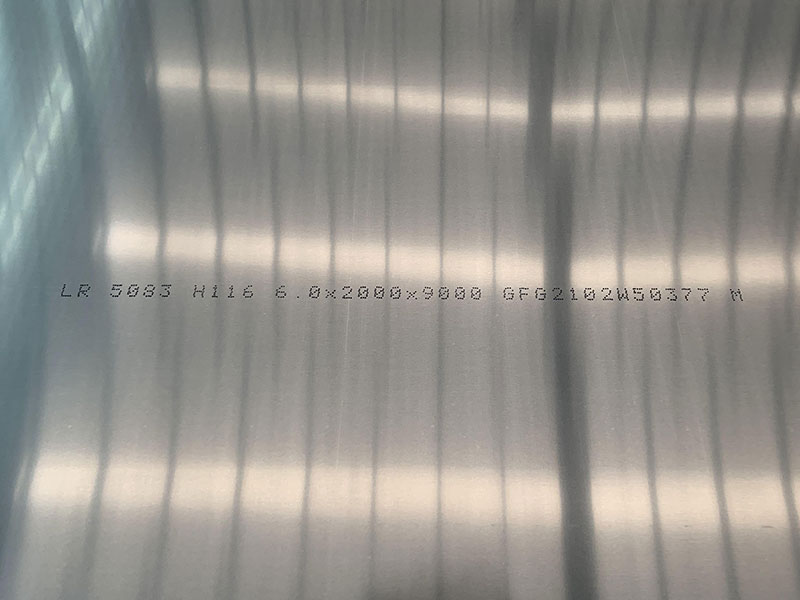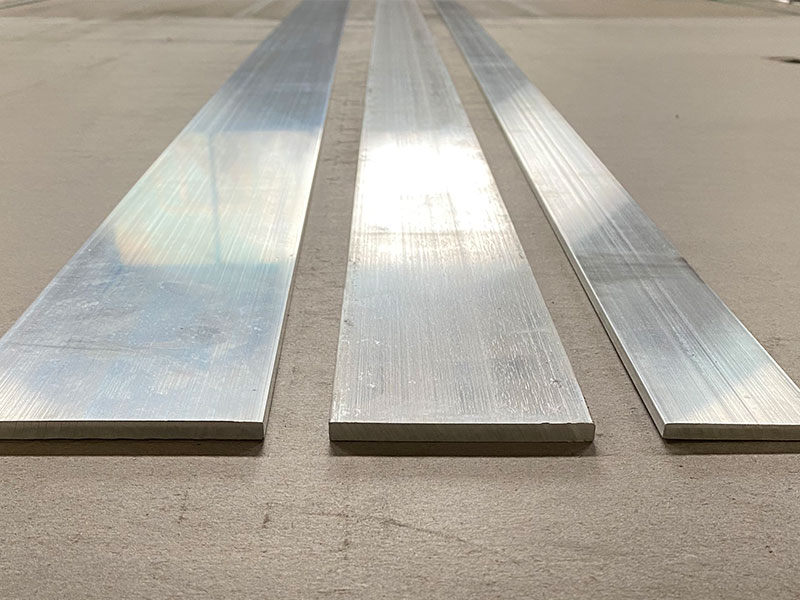

5083 H111 H112 Aluminium Alloy plate untuk Boat
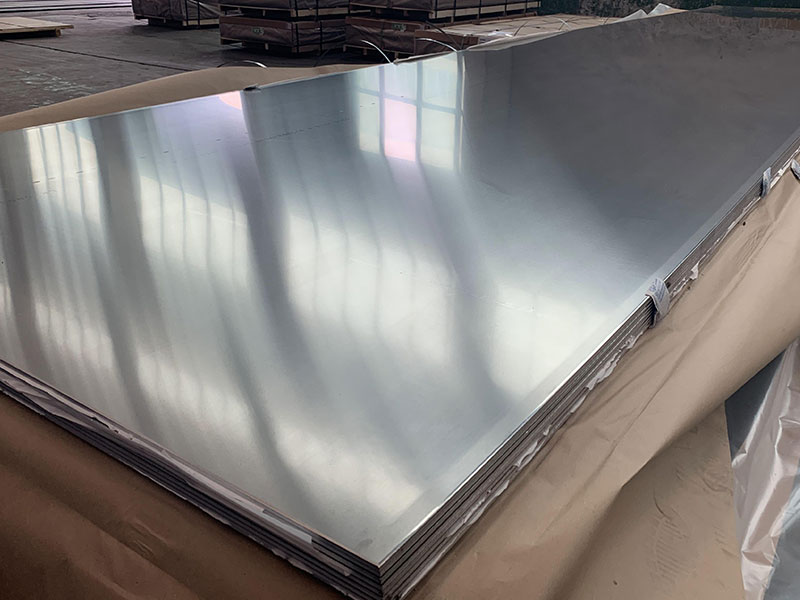
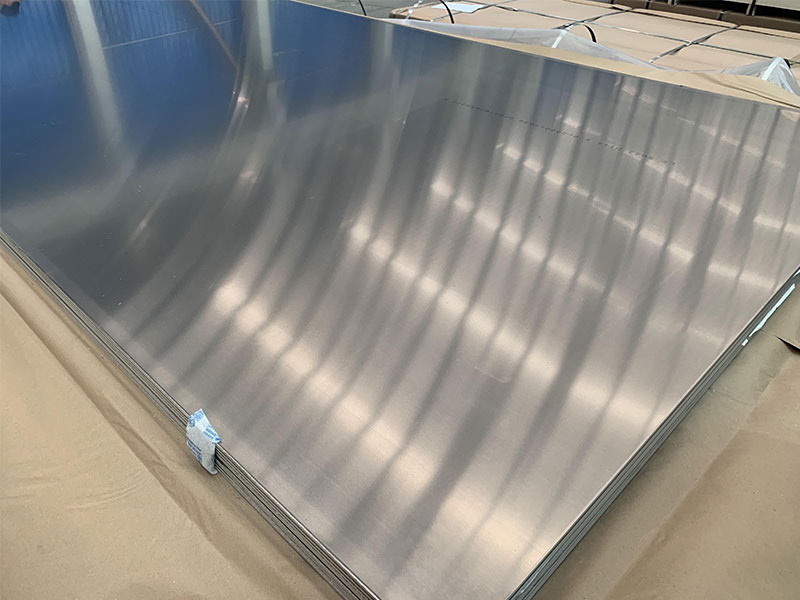
For boat builders who demand light weight, long service life, and dependable corrosion resistance, 5083 aluminium alloy plate in tempers H111 and H112 is a proven, workhorse material. Widely used in marine structures-from small fishing boats to fast patrol craft-AA 5083 combines excellent seawater corrosion resistance, high strength among non-heat-treatable alloys, and good weldability.
1) What is 5083 Aluminium Alloy?
5083 is an Al-Mg-Mn series alloy (5xxx family). Its strength primarily comes from magnesium solid-solution strengthening and strain hardening, rather than heat treatment. This is especially attractive for boats because welding does not "ruin" the alloy the way it can with heat-treatable grades-though all aluminum welds still show some strength reduction in the heat-affected zone (HAZ).
Why boat builders choose 5083:
- Stronger than many other marine-grade plates (notably 5052) at similar thickness
- Better seawater corrosion performance than many general-purpose alloys
- Excellent weldability for hulls, decks, bulkheads, and superstructures
- Good low-temperature toughness (useful for cold waters)
2) Tempers Explained: H111 vs H112 (and why it matters)
Both H111 and H112 are common for marine plate, but they are not identical.
- H111: Slight strain hardening after annealing/softening; typically used when a balance of formability and moderate strength is desired.
- H112: Strain hardened from hot working/rolling; often supplied in plate where strength is somewhat higher and dimensional stability is important.
In practice for boat fabrication:
- Choose H111 when you expect more forming and shaping (curving plates, pressing, complex geometry).
- Choose H112 for structural plates where higher as-supplied strength and stiffness are preferred, especially in thicker gauges.
3) Features and Benefits for Boats
Marine corrosion resistance (seawater-ready)
5083 performs exceptionally well in chloride environments. With correct fabrication practices (clean welding, proper filler selection, avoidance of galvanic coupling), it is a top choice for saltwater hulls and deck structures.
High strength-to-weight
Reducing weight improves speed, fuel economy, payload capacity, and handling. 5083 provides high "usable" strength without the complexity of heat treatment cycles.
Weldability and fabrication efficiency
5083 is well suited for MIG/TIG welding with common marine fillers. Fabricators benefit from:
- Predictable weld behavior
- Broad plate thickness availability
- Reduced rework risk compared to less marine-oriented materials
Toughness and fatigue considerations
Marine structures experience wave-induced cyclic loading. While fatigue performance depends heavily on design details and weld quality, 5083's combination of ductility and strength supports durable hull designs when best practices are followed.
4) Chemical Composition (Typical Limits)
The chemistry below reflects common specification ranges for AA 5083 plate. (Actual limits depend on the governing standard such as ASTM/EN.)
| Element | Typical Range (wt.%) | Function / Notes |
|---|---|---|
| Mg | 4.0 – 4.9 | Primary strengthening; improves marine resistance |
| Mn | 0.4 – 1.0 | Grain structure control; strength/toughness |
| Cr | 0.05 – 0.25 | Helps resist stress corrosion and improves structure |
| Si | ≤ 0.4 | Impurity control |
| Fe | ≤ 0.4 | Impurity control (excess can reduce toughness) |
| Cu | ≤ 0.10 | Kept low to preserve corrosion resistance |
| Zn | ≤ 0.25 | Impurity control |
| Ti | ≤ 0.15 | Grain refiner |
| Al | Balance | Base metal |
5) Mechanical Properties (Typical, by Temper)
Properties vary with thickness and standard. The values below are typical guidance for plate used in marine fabrication.
| Property | 5083-H111 (Typical) | 5083-H112 (Typical) |
|---|---|---|
| Tensile Strength, Rm (MPa) | 275 – 330 | 290 – 350 |
| Yield Strength, Rp0.2 (MPa) | 125 – 200 | 150 – 230 |
| Elongation, A50 (%) | 12 – 20 | 10 – 18 |
| Brinell Hardness (HBW) | ~75 – 90 | ~80 – 95 |
| Density (g/cm³) | 2.66 | 2.66 |
Practical takeaway: H112 is often chosen when you want a bit more "as-received" strength, while H111 is favored for formability and complex hull shaping.
6) Technical Specifications (Boat-Ready Plate Options)
Below is a typical specification set that customers look for when sourcing 5083 plate for boat projects.
| Item | Typical Offering |
|---|---|
| Product Form | Hot-rolled aluminium plate |
| Alloy / Grade | AA 5083 |
| Temper | H111, H112 |
| Thickness Range | 3 mm – 200 mm (common marine: 4–30 mm) |
| Width Range | 1000 – 2500 mm (custom possible) |
| Length Range | 2000 – 12000 mm (custom possible) |
| Surface | Mill finish (optional PVC film), brushed on request |
| Flatness Control | Standard plate tolerances; improved flatness on request |
| Standards (Common) | ASTM B209 / EN 485 (confirm per order) |
| Traceability | Heat number, MTC/COC available |
7) Performance in Boat Construction (Where 5083 H111/H112 shines)
Typical boat components
- Hull plating (especially for planing hulls and workboats)
- Decks and superstructures
- Bulkheads and partitions
- Transom plates and engine mounting areas
- Stringers, floors, and structural reinforcements
- Tank foundations and corrosion-prone compartments
Why it performs well in real marine use
- Saltwater durability: Reduced pitting and excellent general corrosion resistance when properly isolated from dissimilar metals.
- Impact tolerance: Good toughness supports resistance to dock bumps, floating debris, and operational loads.
- Welded structure compatibility: Common marine fabrication relies on welded seams; 5083 is built for that manufacturing reality.
8) Welding and Fabrication Recommendations (Practical)
For marine hull fabrication, welding quality matters as much as alloy selection.
| Topic | Recommendation |
|---|---|
| Welding Process | MIG (GMAW) for productivity; TIG (GTAW) for detail work |
| Common Filler Wires | ER5356 / ER5183 (selection depends on strength and service conditions) |
| Joint Prep | Clean oxide and oils; use stainless brush dedicated to aluminum |
| Distortion Control | Balanced welding sequence, clamping/fixturing, controlled heat input |
| Post-Weld | Remove spatter/contamination; consider surface finishing and sealing strategy |
| Dissimilar Metal Contact | Avoid direct contact with carbon steel/copper; use insulation, coatings, or isolation washers |
9) Buying Guide: How to Specify the Right Plate
When ordering 5083 H111/H112 plate untuk boat, specify the details that protect you from mismatch and rework:
- Temper: H111 (more forming) vs H112 (more structural stiffness/strength)
- Thickness: match scantling rules and design loads
- Standard & certification: request Mill Test Certificate (MTC) and compliance standard
- Flatness and surface: critical for CNC cutting and fit-up
- Cut-to-size: reduces waste and speeds production
- Marine fabrication intent: tell the supplier it's for seawater service to ensure appropriate quality control
https://www.aluminumplate.net/a/5083-h111-h112-aluminium-alloy-plate-untuk-boat.html