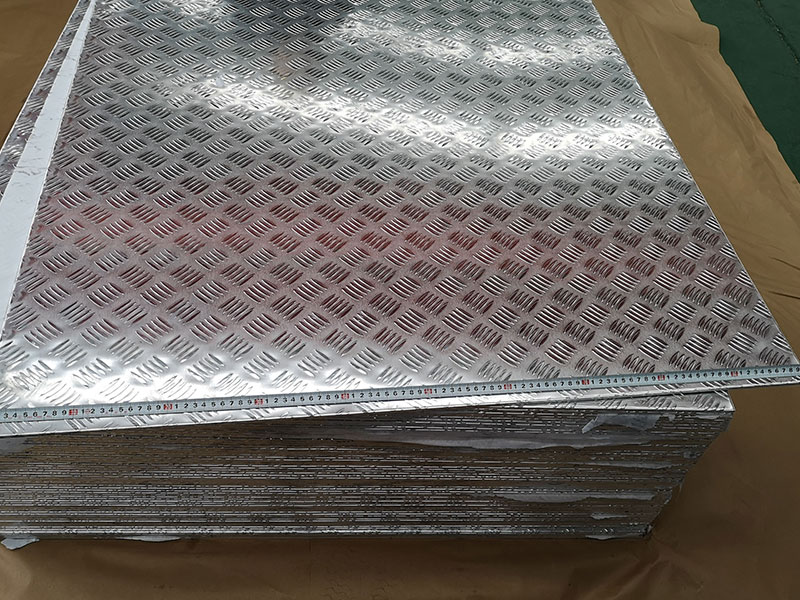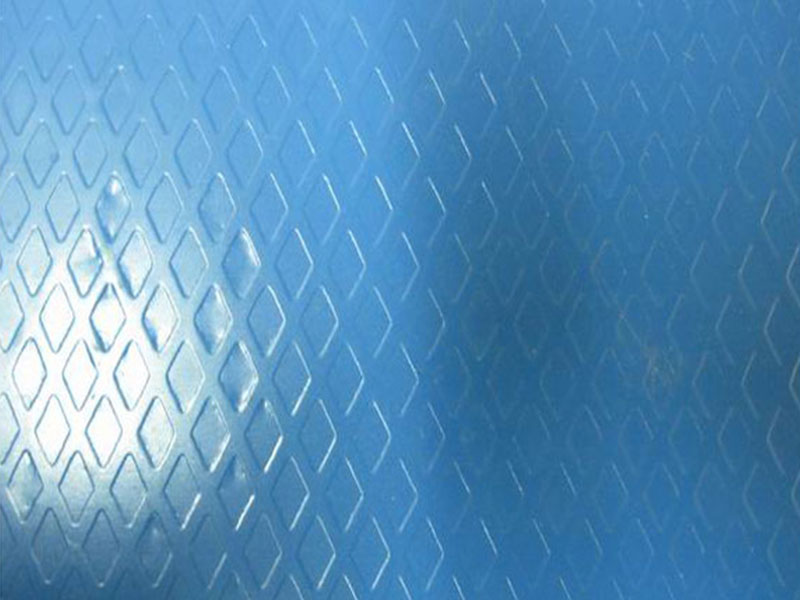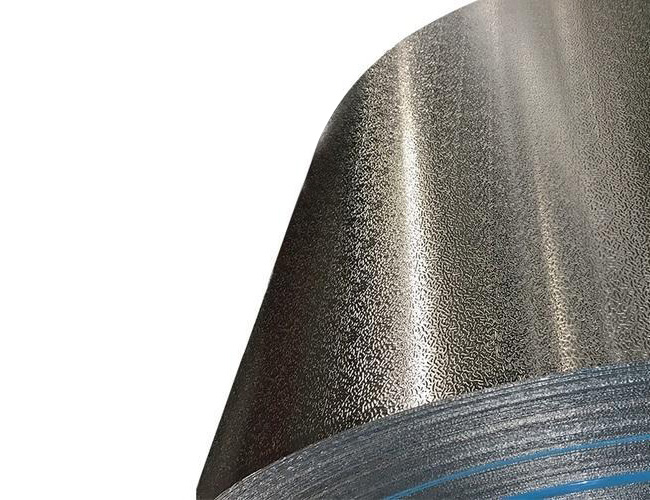

Embossed aluminum sheet 6 Micron 7 Micron 10 Micron
Embossed aluminum sheet in 6 micron, 7 micron, and 10 micron gauges is a lightweight, highly formable material engineered for surface texture, functional grip, improved rigidity, and premium appearance-all while keeping metal usage extremely low. These ultra-thin embossed sheets (often used similarly to embossed foil, depending on temper and backing) are designed for applications where barrier performance, heat reflectivity, visual branding, and tactile feel matter as much as basic protection.
Unlike flat foil/sheet, embossing introduces controlled micro-relief patterns that can enhance stiffness, reduce glare, improve handling, and help separate layers during processing. The result is a versatile aluminum product used across packaging, insulation, labels, decorative laminates, and specialty industrial wrap.
What Makes 6/7/10 Micron Embossed Aluminum Different
Ultra-thin gauges are chosen when customers need maximum coverage per kilogram and excellent conformability around shapes, edges, and substrates. The embossed profile adds benefits typically difficult to achieve at low thickness:
- Higher perceived stiffness than flat equivalents due to geometric reinforcement from the pattern
- Anti-slip and improved handling on high-speed lines (less blocking, better de-nesting)
- Premium visual texture for decorative surfaces and brand differentiation
- Better lamination behavior in some constructions by enabling micro-channels for adhesive wet-out and air release
- Reduced reflectivity/glare for certain insulation facings and decorative wrap
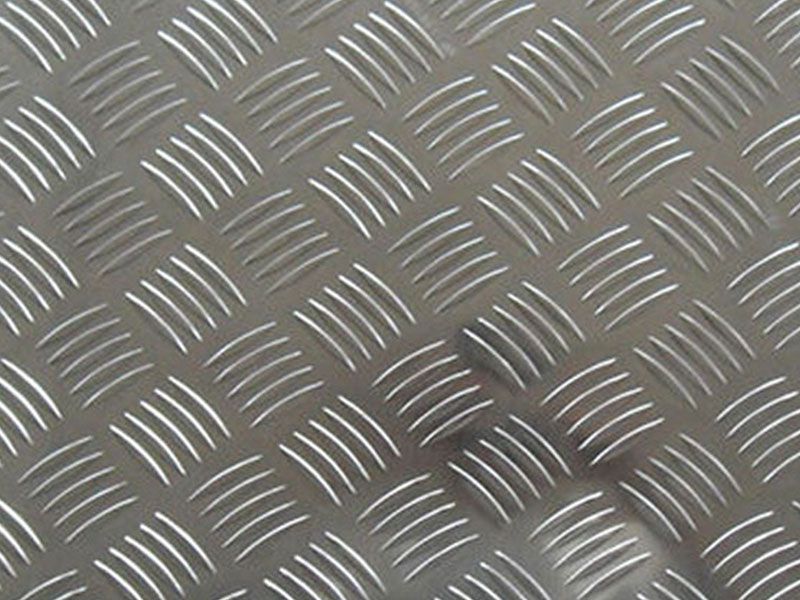
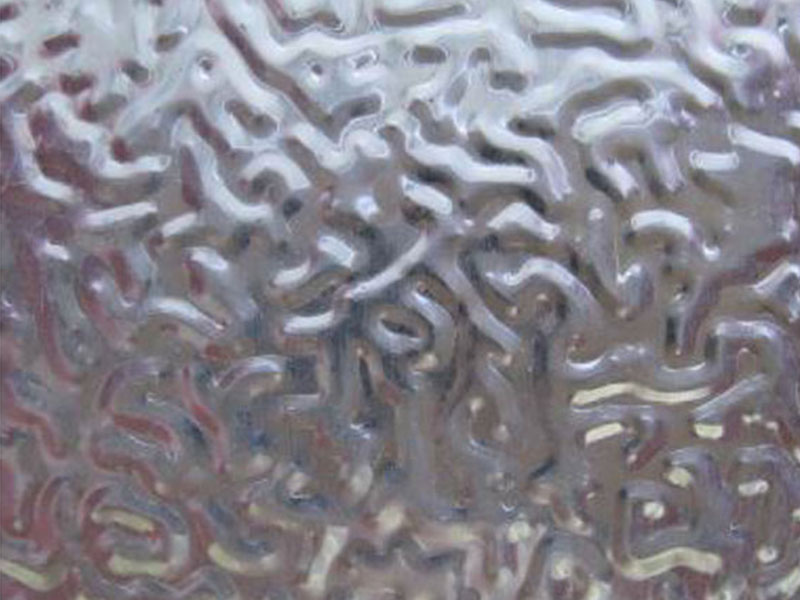
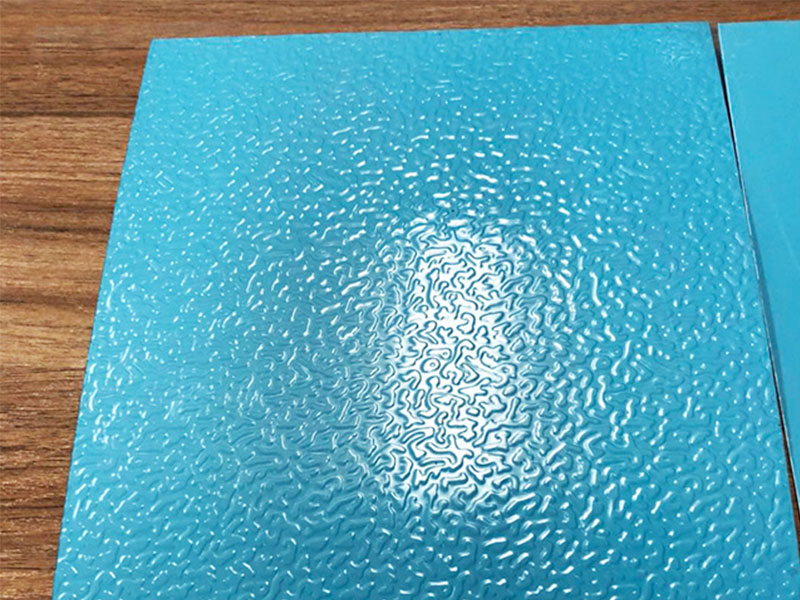
Common emboss patterns include pebble, orange-peel, diamond micro-check, linen texture, and custom brand embossing. Pattern selection is not only aesthetic; it influences de-nesting, rigidity, and forming response.
Typical Alloy Options and Chemical Composition
Ultra-thin embossed aluminum sheets are commonly produced using high-purity aluminum or Al-Mn alloys depending on the required strength, formability, and compatibility with lamination/coating processes.
Typical Chemical Composition (Reference Ranges)
| Alloy (Typical) | Al (%) | Mn (%) | Fe (%) | Si (%) | Cu (%) | Mg (%) | Ti (%) | Notes |
|---|---|---|---|---|---|---|---|---|
| 1235 | ≥ 99.35 | - | ≤ 0.65 | ≤ 0.35 | ≤ 0.05 | ≤ 0.05 | ≤ 0.06 | High purity, excellent formability and barrier performance |
| 8011 | Bal. | ≤ 0.20 | 0.60–1.00 | 0.50–0.90 | ≤ 0.10 | ≤ 0.10 | ≤ 0.08 | Stronger than 1235, widely used for packaging/insulation |
| 3003 | Bal. | 1.00–1.50 | ≤ 0.70 | ≤ 0.60 | 0.05–0.20 | - | ≤ 0.10 | Higher strength; used when extra rigidity is needed |
Composition ranges may vary by standard and supplier practice. Confirm exact limits to match end-use compliance requirements.
Technical Specifications (6 Micron / 7 Micron / 10 Micron)
These thicknesses sit in the "ultra-thin" category. Because performance depends heavily on temper, pattern depth, and downstream lamination, customers typically specify thickness + alloy + temper + emboss pattern + surface finish together.
Core Technical Data
| Parameter | 6 Micron | 7 Micron | 10 Micron | Remarks |
|---|---|---|---|---|
| Nominal thickness (mm) | 0.006 | 0.007 | 0.010 | Often controlled by tight process monitoring |
| Nominal thickness (µm) | 6 | 7 | 10 | Select based on barrier, puncture, and handling needs |
| Typical thickness tolerance | ± 0.5–1.0 µm | ± 0.5–1.0 µm | ± 0.8–1.5 µm | Depends on width, alloy, and rolling capability |
| Typical supply form | Roll/coil | Roll/coil | Roll/coil | Sheets are uncommon at these gauges |
| Common tempers | O, H18 (by design) | O, H18 (by design) | O, H18 (by design) | O = maximum formability; H18 = higher stiffness |
| Surface finish | Bright / matte / one-side treated | Bright / matte / one-side treated | Bright / matte / one-side treated | Often paired with coating/lamination |
| Emboss pattern | Micro / standard / custom | Micro / standard / custom | Micro / standard / custom | Pattern affects rigidity and appearance |
Weight per Area (Quick Estimation)
Using aluminum density ≈ 2,700 kg/m³, the theoretical weight is:
| Thickness | Approx. mass (g/m²) | What it means in practice |
|---|---|---|
| 6 µm | 16.2 g/m² | Maximum coverage; ideal for laminates and facings |
| 7 µm | 18.9 g/m² | Balanced choice for handling + barrier |
| 10 µm | 27.0 g/m² | Better puncture resistance and dimensional stability |
Embossing slightly changes effective area and apparent thickness; actual mass is primarily driven by base gauge.
Features Customers Care About
Barrier and Protection Performance
Aluminum is an outstanding barrier against light, oxygen, and moisture when used as a continuous layer. At very low gauges, barrier integrity depends on pinhole control, substrate support, and lamination design. Embossing can help in handling and separation, but barrier performance is typically optimized with good rolling practice and appropriate lamination.
Formability and Conformability
6–10 µm embossed aluminum conforms easily to complex profiles, corners, and wrapped edges. In decorative and insulation facings, this means a cleaner finish with fewer wrinkles when paired with proper tension control.
Thermal Reflection and Heat Management
Aluminum's reflectivity makes it valuable for insulation facings, HVAC wraps, and thermal shields. Patterned surfaces can be specified to reduce glare while maintaining reflectance benefits.
Visual Texture and Branding
Embossing introduces a tactile "signature." Many customers use it for shelf differentiation, premium appearance, or to hide minor handling marks that would be obvious on flat bright foil.
Common Applications
Flexible Packaging and Laminates
Ultra-thin embossed aluminum is widely used as a layer in multi-material laminates for:
- Food and beverage packaging where light and aroma protection are critical
- Sachets, wraps, and specialty pouch structures
- Pharmaceutical and medical packaging layers (depending on compliance and validation)
- Decorative overwraps for confectionery and premium consumer goods
Embossing helps prevent layer blocking and improves line stability at higher speeds.
Insulation Facings and HVAC
In insulation systems, embossed aluminum can serve as an exterior facing for:
- Duct wrap and pipe wrap
- Building insulation facings
- Radiant barriers and reflective layers
The embossed finish improves handling, adds perceived thickness, and can reduce cosmetic defects during installation.
Labels, Tapes, and Protective Wrap
For industrial identification and surface protection, embossed aluminum laminates are used in:
- High-visibility labels and nameplates (as laminated constructions)
- Aluminum-backed tapes for HVAC and thermal applications
- Protective wraps for appliances and metal goods
Embossing supports better grip during dispensing and can improve appearance under coating.
Decorative and Consumer Presentation
Embossed aluminum at these gauges is often selected when customers want a metallic look without heavy metal consumption:
- Gift wrap laminates
- Decorative liners and trims
- Brand-specific textures for premium packaging
Selection Guide: Choosing 6 vs 7 vs 10 Micron
| Thickness | Best for | Customer benefit | Typical caution |
|---|---|---|---|
| 6 µm | High-coverage laminates, facings | Lowest weight, great conformability | More sensitive to handling damage; lamination design is crucial |
| 7 µm | General-purpose embossed laminate layer | Better runnability and balance | Still requires good tension control and pinhole management |
| 10 µm | Higher durability, improved puncture resistance | Stronger feel, easier processing | Higher cost per area; may be "overbuilt" for some designs |
Quality, Processing, and Ordering Notes
Typical Quality Checks
| Item | Why it matters | Typical method (industry practice) |
|---|---|---|
| Thickness uniformity | Stable lamination and barrier performance | On-line gauge measurement + lab verification |
| Emboss definition | Appearance and mechanical feel | Visual inspection, pattern depth checks |
| Surface cleanliness | Adhesion and coating quality | Dyne testing, cleanliness checks |
| Pinhole control | Barrier integrity | Light table/pinhole inspection (as specified) |
| Coil set and flatness | Converting efficiency | Rewind inspection and process control |
What to Specify When Requesting a Quote
Provide details such as alloy, thickness (6/7/10 µm), temper, width, roll OD/ID, emboss pattern, surface finish (bright/matte), coating/primer requirements, and intended application. If the product will be laminated, note the adhesive type and substrates (PET, paper, PE, nonwoven), since this influences surface treatment needs.
Embossed aluminum sheet 6 micron, 7 micron, and 10 micron options deliver a rare combination of ultra-low weight, premium textured appearance, functional handling, and strong barrier potential. The right thickness depends on your converting line stability, durability needs, and laminate structure. For most customers, 7 µm is a versatile balance, 6 µm maximizes coverage and economy, and 10 µm provides extra robustness for demanding handling and puncture resistance.
https://www.aluminumplate.net/a/embossed-aluminum-sheet-6-micron-7-micron-10-micron.html