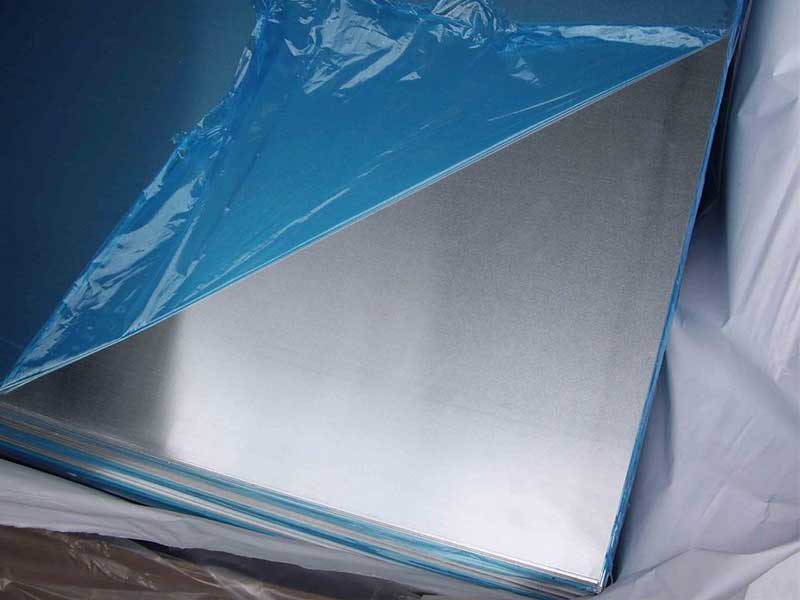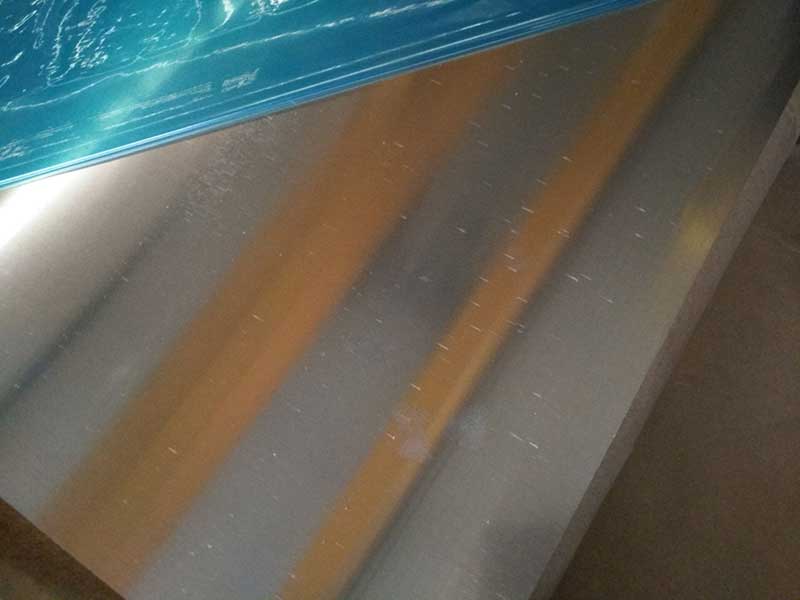

6065 T6 Aluminum Sheet
6065-T6 Aluminum Sheet: The "Quiet Engineer" Behind Clean Shapes, Stable Strength, and Reliable Fabrication
Some aluminum alloys announce themselves with celebrity status-widely quoted, broadly stocked, and instantly recognized on shop floors. 6065-T6 aluminum sheet is different. It tends to show up where designers care less about headlines and more about predictable results: crisp forming, stable mechanical performance, consistent surface quality, and dependable response to finishing. From that perspective, 6065-T6 is the quiet engineer of the 6xxx family-built to make production smoother and end products more consistent.
Because it belongs to the Al-Mg-Si series, 6065 is fundamentally a heat-treatable alloy. It gains strength not by adding large amounts of alloying elements, but by forming fine precipitates during aging. In real-world terms, that means it can combine relatively low weight with a solid strength-to-formability balance-especially in the T6 temper, where the material is solution heat-treated and artificially aged to achieve a stable, high-strength condition.
What makes 6065-T6 "feel" different in use
When engineers choose a sheet alloy, they often think about tensile strength first. Fabricators often think about how it behaves during cutting, bending, punching, and finishing. 6065-T6 tends to sit in a practical middle zone: strong enough for many structural or semi-structural applications, yet still friendly to processing when tooling and bend radii are selected correctly.
From a manufacturing viewpoint, the 6065-T6 advantage is consistency. With good process control, it provides repeatable performance across runs-important for extruded-inspired design language in sheet form, aesthetic panels, housings, brackets, transportation components, and general industrial parts where "same part, same behavior" matters.
It also benefits from the corrosion resistance typical of 6xxx alloys, especially in normal atmospheric exposure. While it is not a substitute for marine-focused alloys in aggressive chloride environments, it is an excellent candidate for anodizing, painting, and general protective finishing systems.
Temper condition: what "T6" really implies
T6 is more than a label-it is a promise about microstructure.
In the T6 temper, 6065 aluminum is first solution heat-treated to dissolve soluble constituents into a solid solution. It is then quenched and artificially aged so that controlled precipitation occurs, creating a strong and stable matrix. This temper typically offers higher strength and hardness than "as-fabricated" conditions, with less ductility than softer tempers such as T4. That tradeoff is exactly why T6 is favored when parts must resist deformation in service and maintain dimensional integrity.
If your fabrication involves severe forming, very tight bend radii, or heavy stamping, you may evaluate an alternative temper (depending on availability) or plan bends with suitable inside radii and tooling to avoid edge cracking. For many standard bends and formed shapes, T6 is still very workable when the design respects the alloy's strength level.
Typical parameters customers care about
6065-T6 aluminum sheet is generally specified by thickness range, flatness, surface requirements, and compliance to recognized standards. In purchasing conversations, the parameters below tend to matter most:
Common ordering parameters
- Temper: T6
- Form: sheet (also available as plate in some supply chains)
- Thickness: customer-driven; confirm mill capability and tolerance needs
- Width and length: cut-to-size or standard mill sizes
- Surface: mill finish, brushed, or specified preparation for anodizing/painting
- Protective film: optional for cosmetic surfaces
- Dimensional tolerances: per applicable standard or project specification
Performance expectations (typical, not a certification)
- Moderate-to-high strength for a 6xxx sheet alloy in T6
- Good corrosion resistance in general environments
- Good response to anodizing and paint systems
- Good machinability relative to many structural alloys, with proper tooling and lubrication
- Welding possible, but properties in the heat-affected zone will typically reduce from T6 strength unless post-weld heat treatment is applied
For critical designs, always request mill test certificates and confirm mechanical property requirements based on your governing standard and product form.
Implementation standards and specification framework
Because aluminum sheet is traded globally, compliance usually references a combination of chemical composition standards and product/tolerance standards. In many supply channels, you will see one or more of the following used as the "language" of procurement:
- ASTM B209: Standard Specification for Aluminum and Aluminum-Alloy Sheet and Plate
- EN 485: Aluminum and aluminum alloys - sheet, strip and plate (mechanical properties and tolerances)
- ISO-based quality systems in production and inspection
- RoHS/REACH compliance statements when used in electronics or consumer-facing products
Availability of 6065 in sheet form and the exact standard callout can vary by region and mill. The most reliable approach is to specify alloy, temper, thickness, surface requirements, and the standard you want to govern tolerances and test methods, then confirm supply with your vendor.
Chemical composition: what's inside 6065 aluminum
6065 is primarily aluminum, with magnesium and silicon as the alloying elements that enable precipitation hardening. Minor elements help control grain structure and processing behavior. Exact limits can vary slightly depending on the governing standard and producer practices, so treat the table below as a practical reference and confirm with the mill certificate for your order.
Typical chemical composition table for 6065 aluminum (wt.%)
| Element | Content (wt.%) |
|---|---|
| Aluminum (Al) | Balance |
| Silicon (Si) | 0.40–0.80 |
| Magnesium (Mg) | 0.80–1.20 |
| Iron (Fe) | ≤ 0.70 |
| Copper (Cu) | ≤ 0.30 |
| Manganese (Mn) | ≤ 0.15 |
| Chromium (Cr) | ≤ 0.10 |
| Zinc (Zn) | ≤ 0.25 |
| Titanium (Ti) | ≤ 0.10 |
| Other (each) | ≤ 0.05 |
| Other (total) | ≤ 0.15 |
This chemistry supports the Mg2Si strengthening mechanism typical of the 6xxx family. In the T6 condition, those precipitates become the microscopic "rebar" inside the metal-one reason the sheet can hold shape well under load.
How to think about fabrication: a practical, shop-floor lens
6065-T6 cuts cleanly with the right parameters. For CNC routing, sawing, or punching, stable chip formation and consistent hardness are advantages. Use sharp tools, appropriate rake angles, and lubrication where needed to protect surface appearance.
For bending and forming, the is respect for temper. T6 wants reasonable bend radii and attention to grain direction. If cosmetic quality matters, plan your bend orientation and edge finishing so you don't invite microcracks that later become visible after anodizing.
Welding is feasible using common aluminum filler selections for 6xxx alloys, but it's important to recognize what welding does: it locally erases the T6 temper in the heat-affected zone. If your design relies on peak strength at the weld, you'll need to engineer around that reality through joint design, reinforcement, or post-weld heat treatment when practical.
Where 6065-T6 aluminum sheet fits best
6065-T6 tends to shine in products that want a refined balance rather than an extreme. Think clean-lined industrial panels, precision brackets, lightweight structural covers, transportation interiors, equipment housings, and components that must look good after anodizing or coating. It's also attractive when you want a 6xxx alloy that behaves predictably across machining and finishing steps, reducing production surprises.
The takeaway
6065-T6 aluminum sheet is best understood as a reliability alloy: heat-treatable strength with the familiar corrosion resistance and finishing friendliness of the 6xxx family. If your project values consistent fabrication, stable service performance, and an alloy chemistry built for controlled hardening, 6065-T6 is a smart, understated choice.