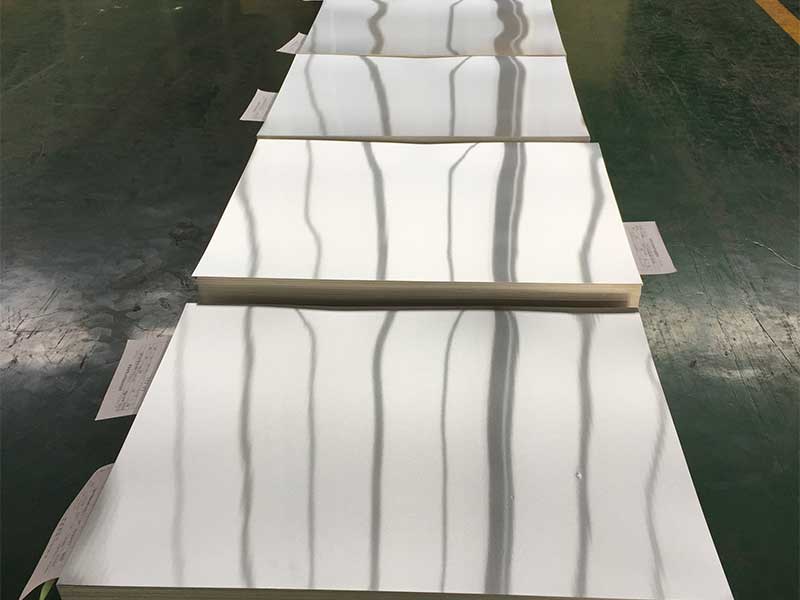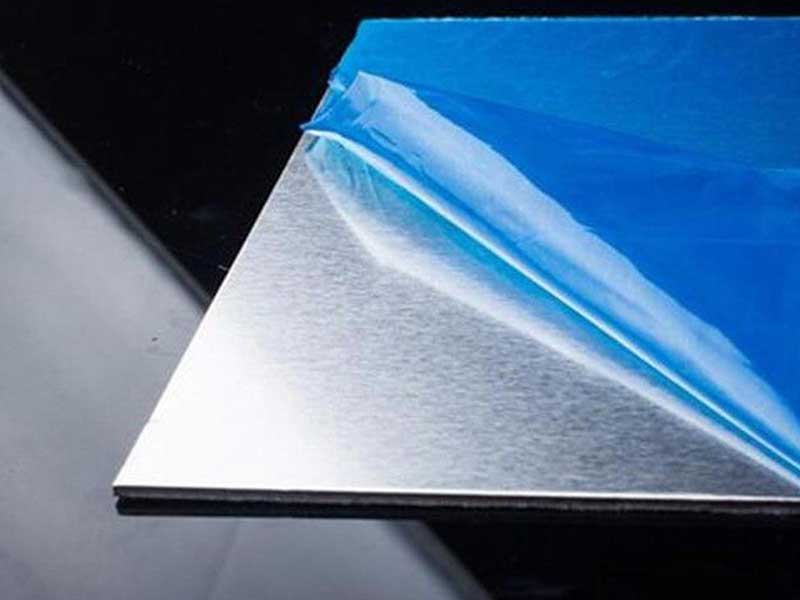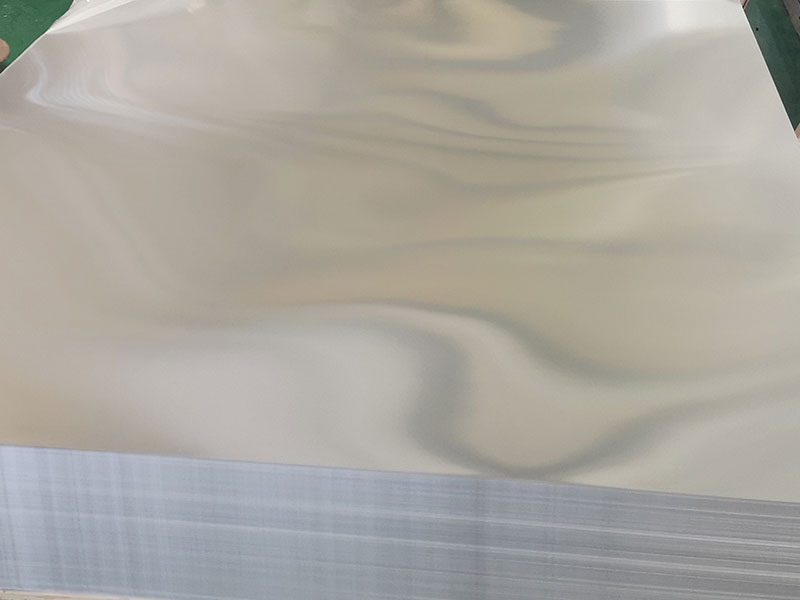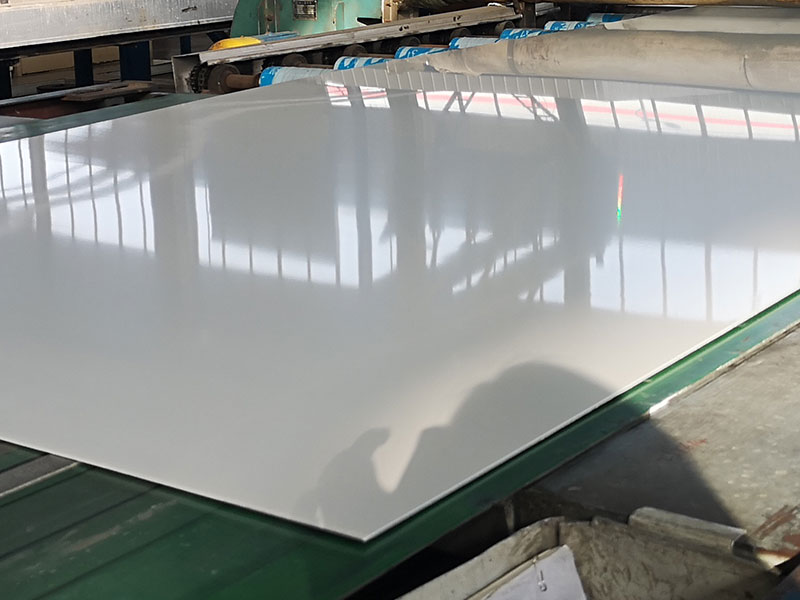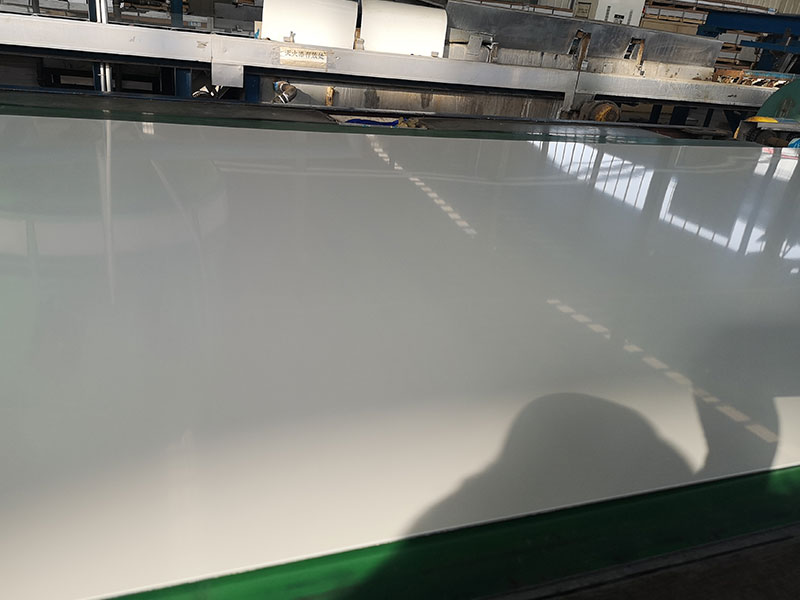

Aluminum Alloy Plate 2219-T851
Aluminum Alloy Plate 2219-T851: The "Weld-First, Stay-Strong" Choice for High-Heat Structures
When customers select an aluminum plate, they often focus on strength numbers at room temperature. 2219-T851 rewards a different mindset: it's a plate alloy designed for structures that must be welded and still perform reliably-especially when heat is part of the job. From this perspective, 2219-T851 isn't just a material grade; it's a risk-control material for demanding fabrication.
1) What 2219 Is Really Built For: Strength That Doesn't Disappear with Heat
2219 is an Al-Cu (Aluminum–Copper) alloy known for keeping more of its strength than many common aluminum alloys when temperatures rise. If your application sees elevated-temperature exposure (hot environments, thermal cycling, or heat-soaked components), 2219 is often chosen because it maintains structural confidence where other alloys soften faster.
Distinctive takeaway:
If your part will "feel the heat," 2219 is less about chasing maximum room-temperature strength and more about protecting performance margin in real service conditions.
2) Why the "T851" Temper Matters in Plate Procurement
The temper T851 is not a random suffix-it tells you how the plate was processed to achieve stable properties and better dimensional behavior after machining:
- T8: Solution heat treated, cold worked, then artificially aged (to develop high strength)
- 51: Stress-relieved by stretching (important for thick plates)
Customer value:
For machined components, the "-51" stress relief helps reduce surprises like distortion after roughing, pocketing, or removing large volumes of material. That means more predictable machining, fewer scrap parts, and less time chasing flatness.
Many high-strength aluminum alloys lose a lot of performance after welding-or become difficult to weld reliably. 2219 is widely appreciated for weldability compared with several other high-strength options.
What this means practically:
- You can build large welded structures more confidently.
- Weld zones are more manageable in terms of cracking risk (with proper procedure).
- It's a logical choice when the design cannot avoid welding.
Distinctive takeaway:
2219-T851 is often selected not because it is the "strongest," but because it is strong enough after welding, where it counts.
4) Where Customers Use 2219-T851 (and Why)
Typical use cases are those that combine heat + strength + welding + machining:
- Aerospace structural plates and bulkheads
- High-performance welded assemblies
- Components exposed to elevated temperatures
- Precision-machined parts where distortion control matters
In short, it fits projects where failure modes are not only "break," but also "warp," "crack," or "lose strength after fabrication."
5) Practical Buying Notes (What to Confirm on the RFQ)
To purchase 2219-T851 plate smoothly and avoid mismatches, confirm:
- Thickness and dimensional tolerances (plate thickness affects availability and lead time)
- Certification/traceability (mill test reports, heat/lot numbers)
- Inspection requirements (if your application needs ultrasonic testing, specify it)
- Surface condition and flatness expectations (important for machining)
Bottom Line
Aluminum Alloy Plate 2219-T851 is best viewed as a fabrication-friendly, heat-capable structural plate. If your project involves welding, elevated temperatures, and tight machining stability, 2219-T851 is often the "safe-performance" choice that reduces downstream manufacturing risk-while still delivering strong, reliable mechanical performance.
https://www.aluminumplate.net/a/aluminum-alloy-plate-2219-t851.html