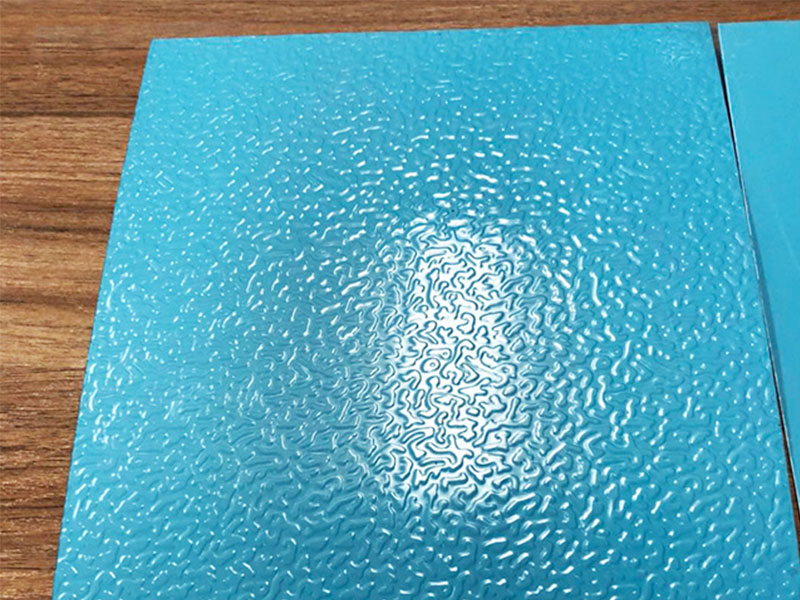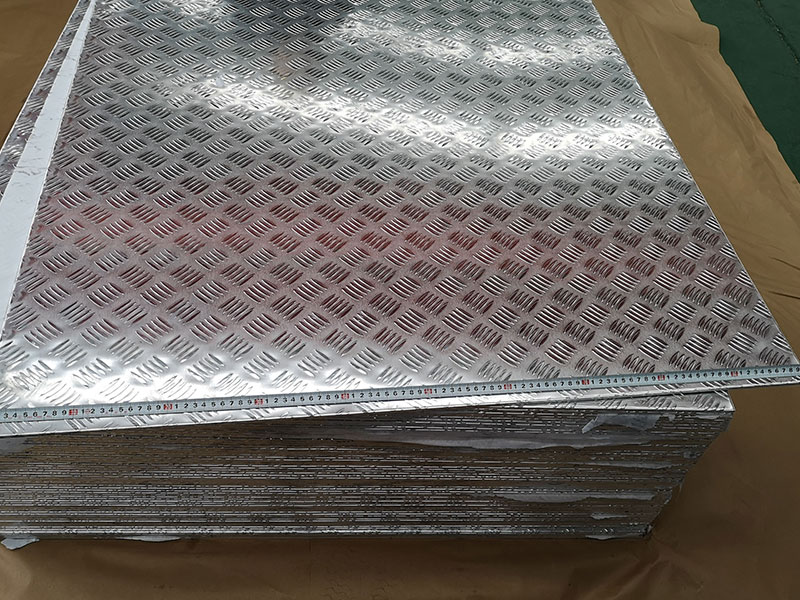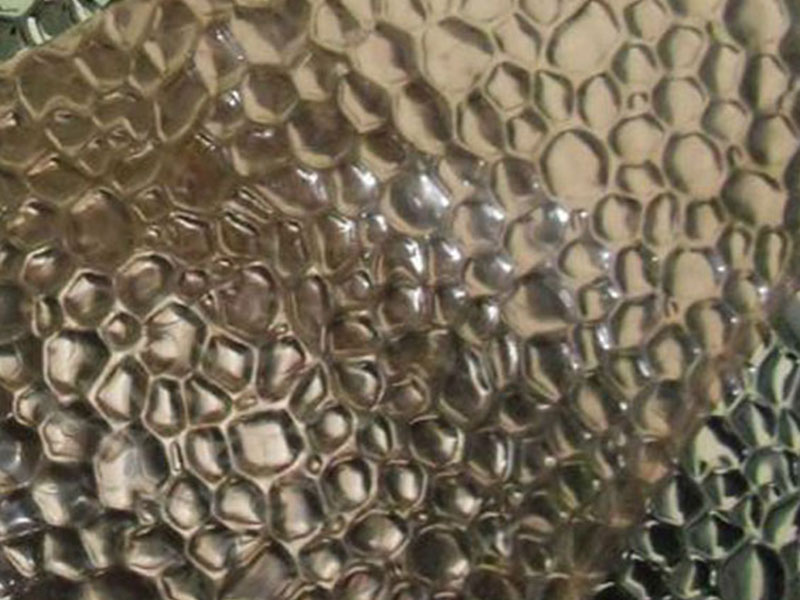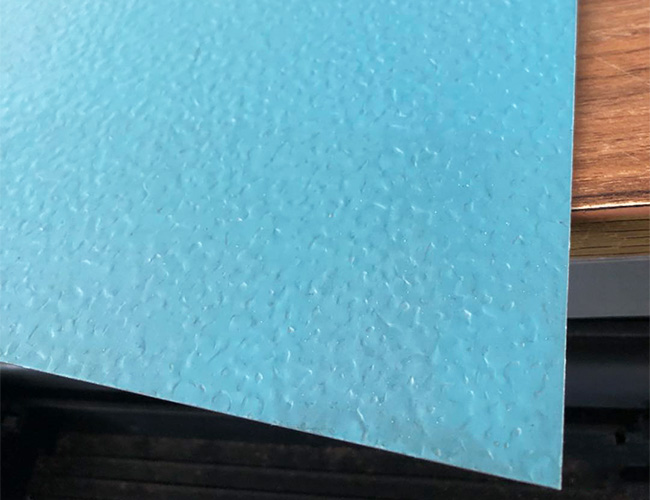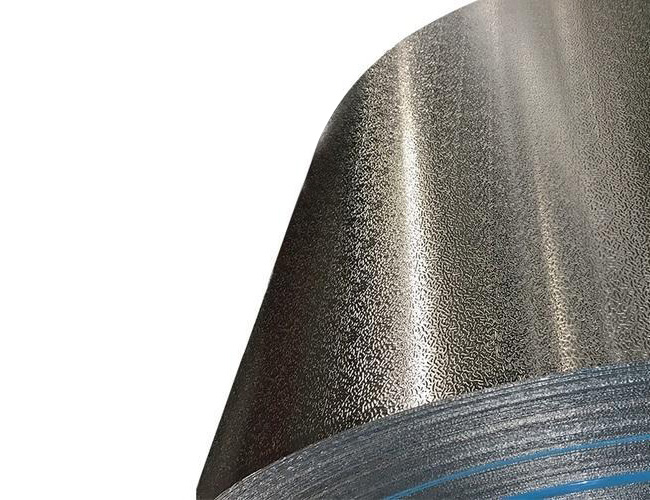

Aluminum tread plate 0.91mm Thickness Color Coated wood Grain
Aluminum Tread Plate 0.91mm Thickness Color Coated Wood Grain: The Warm Look of Timber, Built on Metal Confidence
There's a quiet contradiction that makes 0.91mm color coated wood grain aluminum tread plate so appealing: it looks like something organic and familiar, yet it performs like an engineered material built for movement, friction, and long-term exposure. In projects where designers want the comfort of wood aesthetics but contractors demand durability, slip resistance, and low maintenance, this product becomes a practical bridge between taste and performance.
At 0.91mm thickness, the sheet sits in a sweet spot for many applications. It is light enough to form, cut, and install efficiently, yet it still carries the structural "feel" and surface toughness needed for wall protection, decorative flooring overlays, RV and trailer interiors, elevator cabins, retail counters, stair claddings, and light-duty platforms. Add a tread pattern plus a wood-grain coating system, and you get an aluminum sheet that isn't trying to imitate wood as a gimmick-it's using the wood look as a design tool while keeping the behaviors of aluminum: corrosion resistance, dimensional stability, and clean fabrication.
What "0.91mm" Means in Real Use
A thickness of 0.91mm is commonly selected when customers want easy bending and fastening without the heaviness of thicker plates. It suits projects where the tread plate is used as a skin, liner, cover sheet, or protective decorative layer, rather than a primary load-bearing deck. The embossed pattern also adds a subtle stiffness effect compared with flat sheet of the same gauge, helping it resist minor denting and visual waviness.
Typical dimensional options can be customized, but common supply ranges include:
- Thickness: 0.91mm (nominal)
- Width: 1000mm / 1220mm / 1250mm (custom available)
- Length: 2000mm / 2440mm / 3000mm or coil supply
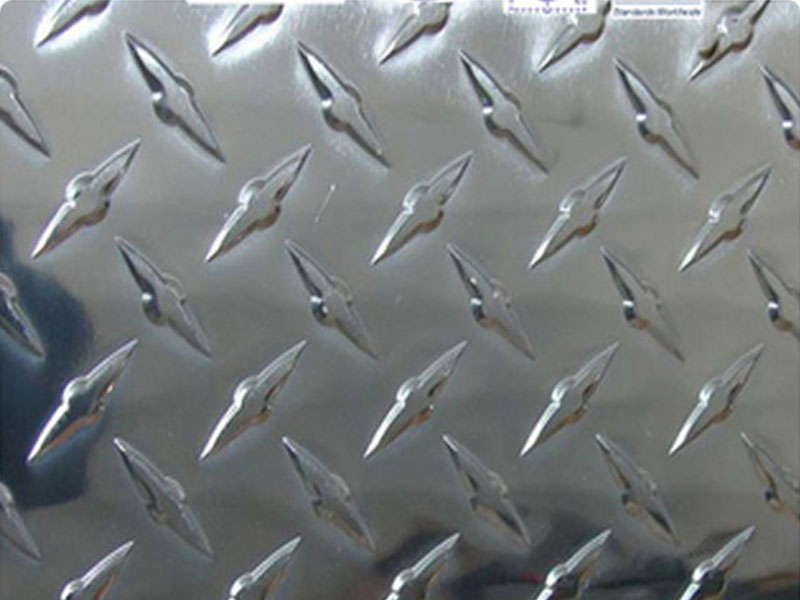
- Pattern: 5-bar / diamond / checker (by request)
- Coating: Wood grain color coated, usually PE for interior or PVDF for higher weathering demand
A Distinctive Material Story: Slip Resistance Meets "Human-Friendly" Design
Tread plate has always been honest about its mission: grip. The pattern is a mechanical answer to slippery surfaces. The twist here is the wood-grain finish, which adds a psychological layer. People instinctively read wood tones as warm, safe, and familiar, especially in public-facing environments like shops, cafes, mobile kiosks, showrooms, and cabins. When the surface also delivers traction and easy cleaning, you get a material that supports both human comfort and facility management.
The coating is not just printed color. A quality wood-grain system is a multi-layer structure designed to resist abrasion, staining, and fading. That matters because tread plate is touched, stepped on, bumped by carts, wiped down with cleaners, and exposed to daily wear.
Implementation Standards and Typical Production References
Aluminum tread plate and color-coated aluminum are often produced under widely recognized standards. Final selection should match your market and compliance needs, but common references include:
- ASTM B209 / ASTM B209M: Aluminum and Aluminum-Alloy Sheet and Plate
- EN 485 (parts covering tolerances and mechanical properties): Wrought aluminum and aluminum alloys - Sheet, strip and plate
- JIS H4000 / JIS H4040 (depending on alloy form): Aluminum and aluminum alloy sheets/plates
- Coating performance references often align with AAMA 2603/2604/2605 concepts (especially when PVDF systems are used), or equivalent internal QC requirements for gloss, adhesion, impact resistance, and salt spray
In practice, buyers often specify standards by combining substrate standard + coating requirement + tolerance agreement, because a good-looking wood grain is meaningless if the substrate thickness, emboss depth, or coating adhesion varies across batches.
Alloy Choices and Tempering: Why the Substrate Matters
For 0.91mm tread plate with coating, common aluminum alloy families include:
1000 series (1050, 1060, 1100)
- Advantages: excellent formability, high corrosion resistance, stable coating adhesion, economical
- Typical temper options: H14 / H24 for a balance of strength and formability
3000 series (3003, 3105)
- Advantages: higher strength than 1000 series, good workability, widely used in coated aluminum products
- Typical temper options: H14 / H24 / H26 depending on stiffness needs
- 3105 is especially common in color-coated building applications due to coating compatibility and strength
5000 series (5052)
- Advantages: stronger, excellent corrosion resistance (especially marine/industrial environments)
- Typical temper options: H32
- Often used when performance is prioritized over cost and when the environment is harsh
For many wood-grain coated tread plate projects, 3003-H24 or 3105-H24 is a practical choice: strong enough to feel solid at 0.91mm, yet formable for fabrication, with consistent coating performance.
Coating System: PE vs PVDF and What to Ask For
A wood-grain finish typically uses coil coating technology, then embossing or embossing first depending on the production line. coating elements include primer + topcoat (and sometimes a clear protective layer).
- PE (Polyester): cost-effective, good for interior decoration and moderate exposure
- PVDF (Fluorocarbon): superior UV resistance and color stability, recommended for exterior cladding or sun-exposed installations
- Film thickness is often controlled in the range of 15–25 μm for topcoat (project-dependent), with primer supporting adhesion and corrosion resistance.
For tread plate, coating durability is especially important at the raised pattern edges where abrasion concentrates. Buyers should confirm adhesion, impact resistance, and abrasion behavior based on intended use.
Product Parameters (Quick-Read)
- Product name: Aluminum tread plate, color coated wood grain
- Thickness: 0.91mm
- Surface: Embossed tread pattern + wood grain coated
- Substrate alloys: 1050 / 1060 / 1100 / 3003 / 3105 / 5052
- Common tempers: H14, H24, H32
- Coating types: PE / PVDF (optional protective film)
- Supply form: sheet or coil
- Processing: cutting, bending, drilling, riveting, bonding; welding depends on alloy and coating removal in weld zone
Chemical Properties Table (Typical Alloy Composition, wt.%)
Values below are typical reference ranges. Exact composition must follow the chosen standard (ASTM/EN/JIS) and mill test certificate.
| Alloy | Si | Fe | Cu | Mn | Mg | Zn | Cr | Ti | Al |
|---|---|---|---|---|---|---|---|---|---|
| 1050 | ≤0.25 | ≤0.40 | ≤0.05 | ≤0.05 | ≤0.05 | ≤0.05 | - | ≤0.03 | ≥99.50 |
| 1060 | ≤0.25 | ≤0.35 | ≤0.05 | ≤0.03 | ≤0.03 | ≤0.05 | - | ≤0.03 | ≥99.60 |
| 1100 | ≤0.95 (Si+Fe) | - | 0.05–0.20 | ≤0.05 | - | ≤0.10 | - | - | ≥99.00 |
| 3003 | ≤0.60 | ≤0.70 | 0.05–0.20 | 1.0–1.5 | - | ≤0.10 | - | - | Rem. |
| 3105 | ≤0.60 | ≤0.70 | ≤0.30 | 0.3–0.8 | 0.2–0.8 | ≤0.40 | ≤0.20 | ≤0.10 | Rem. |
| 5052 | ≤0.25 | ≤0.40 | ≤0.10 | ≤0.10 | 2.2–2.8 | ≤0.10 | 0.15–0.35 | ≤0.10 | Rem. |
Practical Buying Notes That Save Time on Site
A wood-grain tread plate is both a metal and a finish product. That means your purchase decision should include appearance control as well as mechanical tolerance. It's wise to confirm coating batch consistency, gloss level, and grain direction preference, especially for large wall areas or matched panels. Also consider whether you need a removable protective film for transport and fabrication to prevent scratches on the raised pattern.
The Takeaway
0.91mm thickness color coated wood grain aluminum tread plate is not simply "decorative aluminum." It's a functional anti-slip sheet that happens to speak the visual language of wood-without taking on wood's vulnerabilities. When specified with the right alloy temper, coating system, and relevant standards, it becomes a fast-installing, lightweight, and highly presentable surface solution that fits modern spaces where durability must coexist with warmth.
https://www.aluminumplate.net/a/aluminum-tread-plate-091mm-thickness-color-coated-wood-grain.html