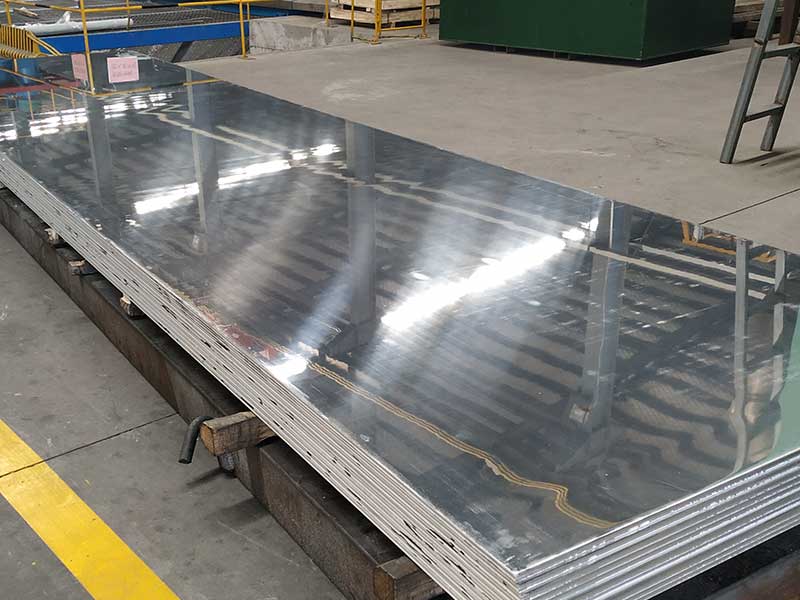

6061 t6 mill finish aluminum sheet
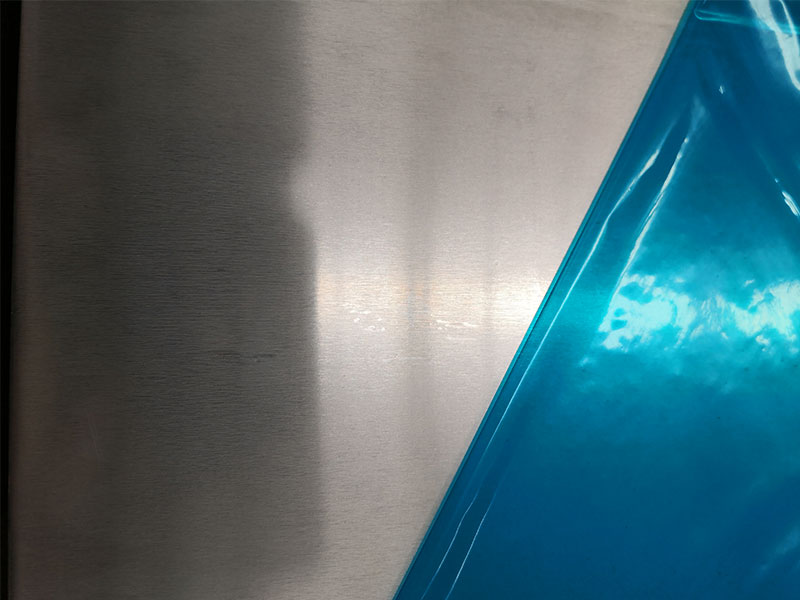
A 6061 T6 mill finish aluminum sheet rarely gets a dramatic introduction. It shows up looking plain, a little reflective, sometimes with faint rolling lines that catch the light at an angle. Yet that "ordinary" surface is often the point. Mill finish is the sheet in its honest, as-produced state-no paint to hide handling marks, no anodize to mask the grain. When you choose 6061-T6 in mill finish, you're choosing a material that is allowed to speak for itself: strong, predictable, weldable with the right approach, and widely trusted in real industrial work.
From a practical perspective, I like to think of mill finish as the engineer's handshake. It doesn't promise glamour; it promises consistency. In the shops where downtime costs more than the sheet itself, that's the real luxury.
What "6061" and "T6" really buy you
6061 is an Al-Mg-Si alloy designed to balance strength, corrosion resistance, and fabricability. Compared with pure aluminum or softer 5xxx series sheet, 6061 can carry load and keep its shape. Compared with very high-strength aerospace alloys, it remains approachable-easier to source, easier to machine, and more forgiving in general fabrication.
The "T6" temper is where the alloy becomes especially useful for structural service. T6 means the material has been solution heat-treated and then artificially aged. In everyday terms, the heat treatment aligns the alloy's microstructure to deliver higher strength and better hardness than softer tempers such as O or T4.
For many customers, the decision lands on T6 for a simple reason: it reduces the mental overhead of design. You can design thinner, expect less denting in handling, and rely on stable properties from a reputable mill.
The mill finish surface: not a cosmetic grade, a functional baseline
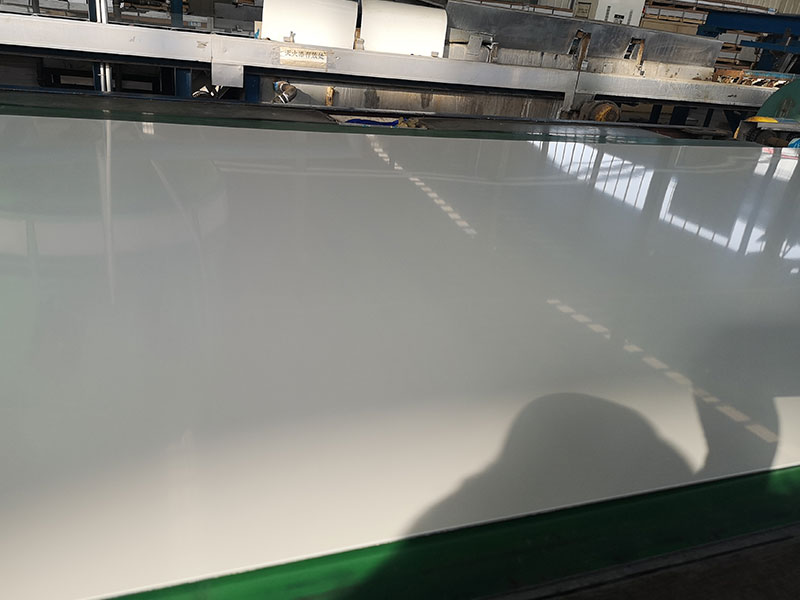
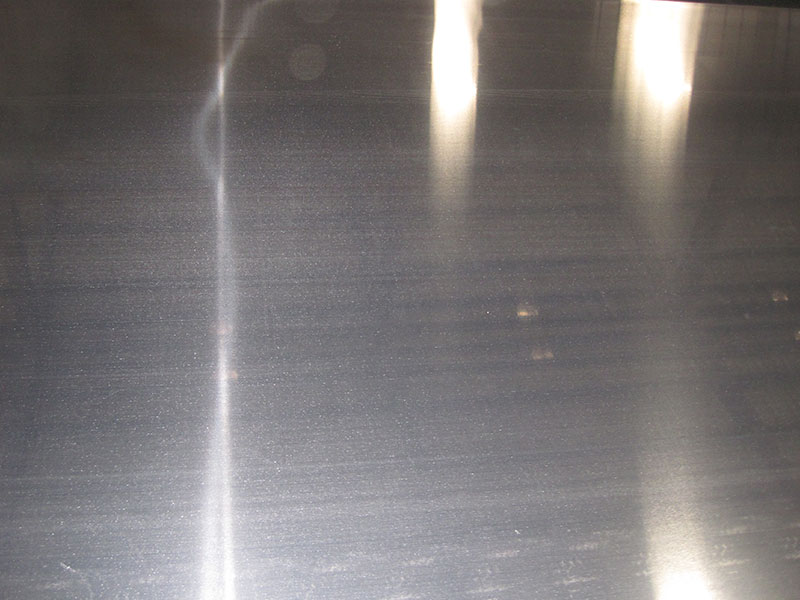
Mill finish isn't a "defect," and it isn't a "final appearance" unless you want it to be. It's a baseline surface produced directly by rolling. It commonly shows:
- Light directional lines from rolling and handling
- Variations in reflectivity between sheets or even within a sheet
- Minor surface marks that are acceptable under commercial standards
If the part will be hidden, painted, powder coated, anodized, laminated, or used as a backing plate, mill finish is often the most sensible choice. If the part will be a visual feature-storefront panels, display-grade surfaces, architectural trim-you typically specify a more controlled finish or accept that mill finish will have "industrial character."
Mill finish also affects downstream processes. For example, anodizing a mill finish sheet will highlight pre-existing lines and small scuffs rather than erase them. If appearance matters, the preparation method matters just as much as the alloy.
Typical properties that drive real-world selection
While exact values depend on thickness and specification limits, 6061-T6 sheet is known for a dependable strength-to-weight balance and good machinability. It is common in:
- General structural plates and brackets
- Machine bases and guards
- Marine-adjacent components with proper isolation from galvanic partners
- Truck bodies, frames, and utility equipment
- Jigs, fixtures, and tooling where stiffness matters
The practical advantage is not just "high strength." It's stable performance across fabrication steps. When you cut, drill, or tap it, it behaves like a well-trained material. You can build repeatable processes around it.
Standards and common ordering expectations
6061 sheet and plate in North America is frequently ordered to ASTM B209 for aluminum sheet and plate. The temper is specified as T6, and it is wise to confirm whether the product is sheet or plate by thickness and mill practice, since some supply chains treat thicker "sheet" as plate inventory.
For aerospace-adjacent or higher assurance programs, you may see AMS specifications, but for general industrial use, ASTM B209 is the workhorse reference.
Common purchasing details that prevent surprises include:
- Alloy and temper: 6061-T6
- Thickness and tolerance expectations
- Width, length, and whether it must be sheared, saw-cut, or precision cut
- Protective film requirement, especially for parts headed to cosmetic finishing
- Flatness expectations, particularly for CNC machining or vacuum fixtures
Forming, welding, and machining: the real "shop-floor truth"
6061-T6 is not the friendliest temper for tight-radius forming. The T6 condition is strong and therefore less ductile than softer tempers. If your design needs significant bending, many fabricators form 6061 in T4 or O temper and then heat treat afterward, or they adjust bend radii and tooling to reduce cracking risk.
Welding is very feasible, but it comes with an important reality: welding locally overages or anneals the heat-treated microstructure in and around the heat-affected zone. The weld region will not retain T6 strength unless post-weld heat treatment is performed, which is often impractical for large assemblies. Many designs accept this by placing welds where peak stresses are lower or by adding material to compensate.
Filler choice is commonly between 4043 and 5356, selected based on required strength, crack sensitivity, service temperature, and anodizing color match expectations. If anodized appearance matters, 5356 can sometimes offer a closer color match, but it's not a universal rule-testing is best.
Machining is one of 6061-T6's strongest advantages. It cuts cleanly, holds threads well, and offers good dimensional stability. For CNC work, stress-relieved plate variants can reduce movement after material removal, though that's more of a plate conversation than thin sheet.
Corrosion performance and dissimilar metal contact
6061 has good general corrosion resistance, especially in normal atmospheric service. In chloride-heavy environments, it performs better than many high-strength alloys but still benefits from smart detailing and surface protection. The biggest corrosion trap in the field is often not the aluminum itself, but galvanic coupling.
If 6061 sheet is fastened to stainless steel or carbon steel in the presence of an electrolyte, corrosion risk increases. Practical mitigation includes isolating washers, coatings, sealants, and thoughtful drainage paths so water doesn't sit in crevices.
Chemical composition and mechanical property reference
Below are typical composition limits and typical mechanical properties for 6061-T6. Always confirm with mill test reports and applicable standards for your order and thickness.
Typical chemical composition for Aluminum 6061 (wt.%)
| Element | Typical specification limit (wt.%) |
|---|---|
| Si | 0.40–0.80 |
| Fe | 0.00–0.70 |
| Cu | 0.15–0.40 |
| Mn | 0.00–0.15 |
| Mg | 0.80–1.20 |
| Cr | 0.04–0.35 |
| Zn | 0.00–0.25 |
| Ti | 0.00–0.15 |
| Other (each) | ≤ 0.05 |
| Other (total) | ≤ 0.15 |
| Al | Remainder |
Typical mechanical properties for 6061-T6 (room temperature)
| Property | Typical value |
|---|---|
| Ultimate tensile strength | around 290–310 MPa |
| Yield strength (0.2% offset) | around 240–275 MPa |
| Elongation | often 8–12% (varies with thickness) |
| Brinell hardness | around 90–100 HB |
These values are practical guideposts, not guaranteed minimums unless tied to a specific specification and thickness range.
Why customers keep choosing it
The unique charm of 6061-T6 mill finish sheet is that it's "finished enough" to start working immediately. It's the material you can prototype with in the morning and confidently release to production in the afternoon without changing the alloy family. It can be a bracket today, a cover panel tomorrow, and a structural gusset next week.
In a market that loves buzzwords-space-grade, aircraft-grade, ultra-premium-6061-T6 mill finish stays popular because it's quietly economical in the ways that matter. It reduces rework. It gives predictable machining. It tolerates real-world handling. It keeps your drawings simpler and your vendor list shorter.
And when you see the faint rolling lines on the surface, you're not looking at imperfection. You're looking at a trace of how the metal was made-evidence that the sheet is not pretending to be something else. For many practical builds, that honesty is exactly what you want.
https://www.aluminumplate.net/a/6061-t6-mill-finish-aluminum-sheet.html