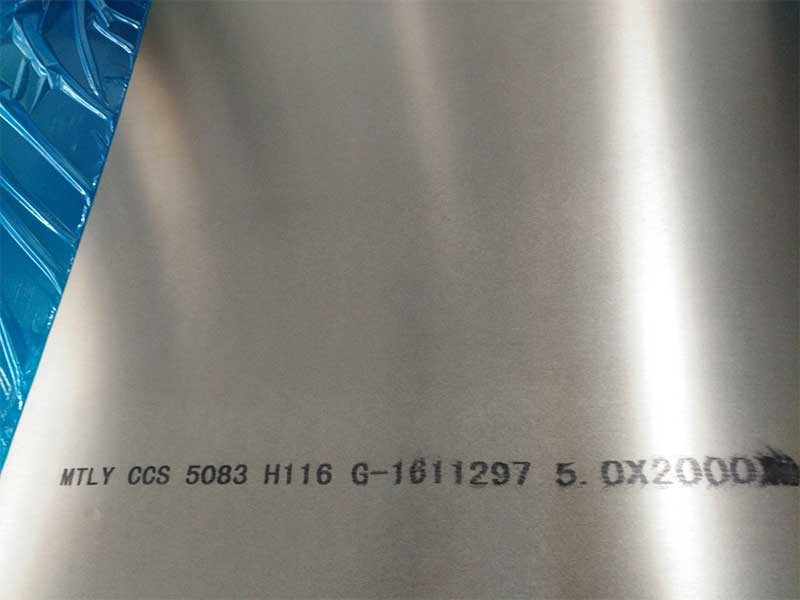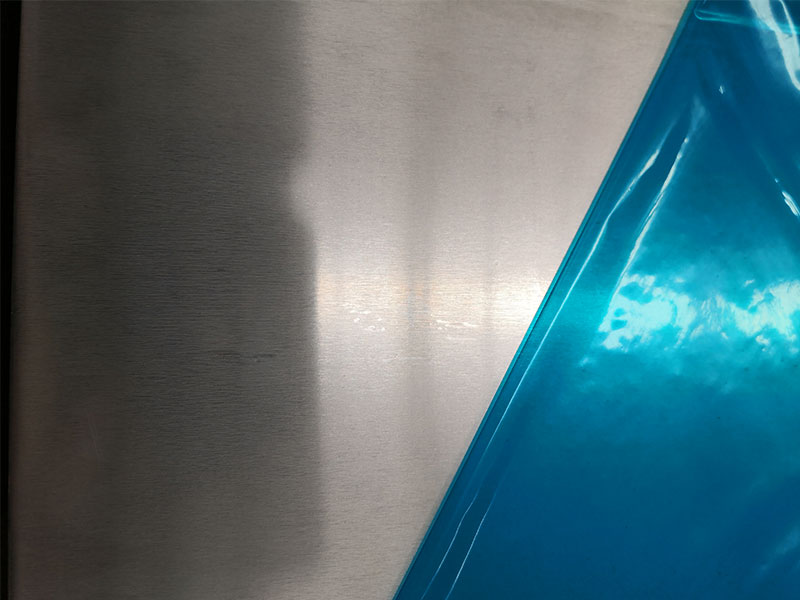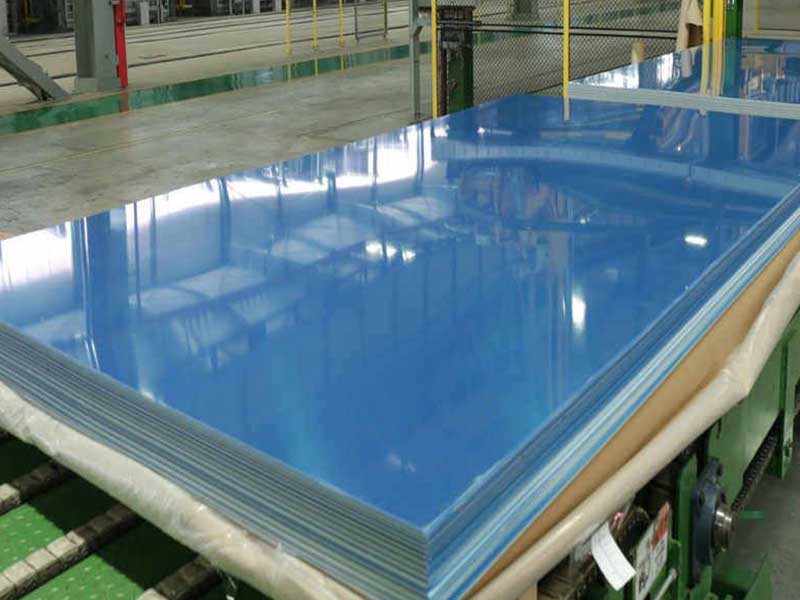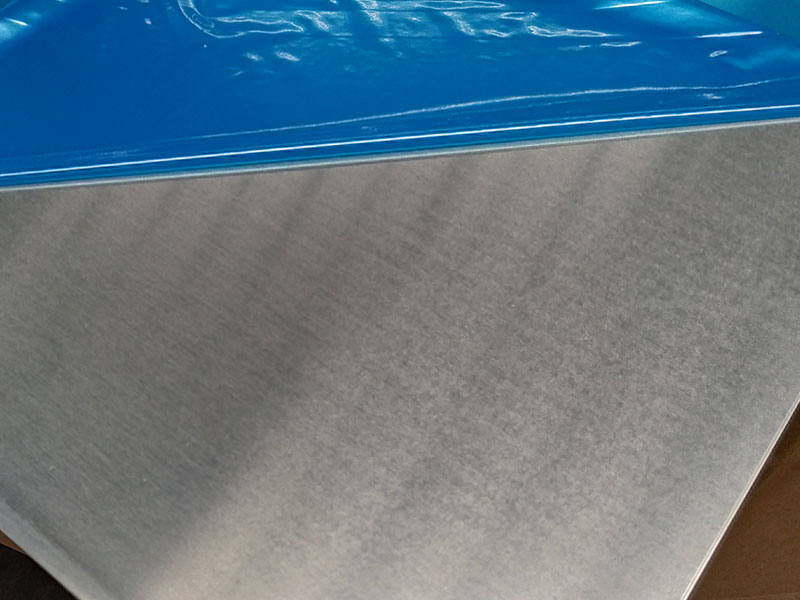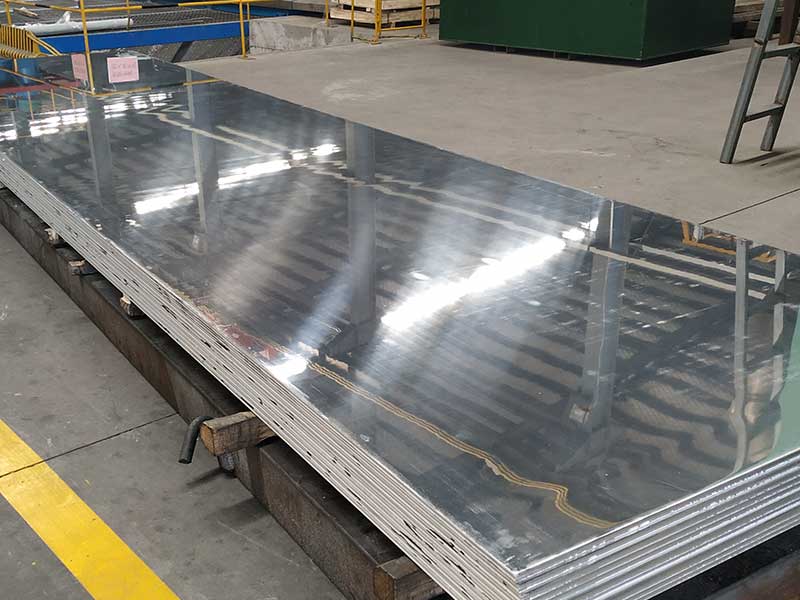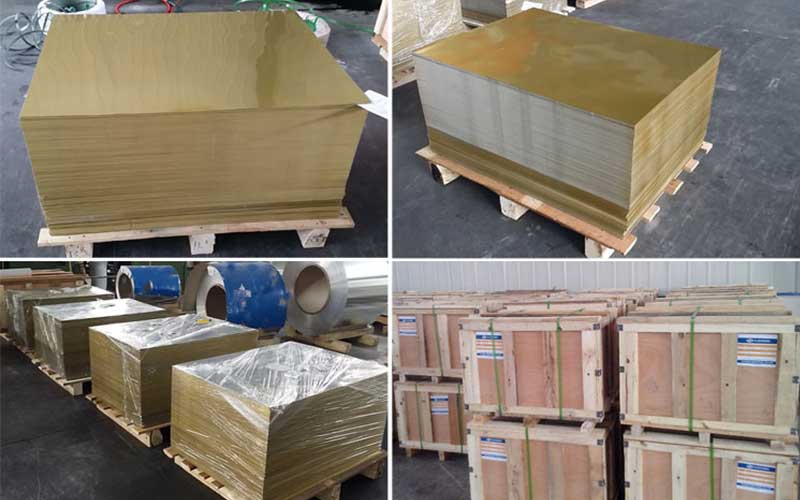

ASTM standard 3003 3004 3005 3105 3mm thick aluminum sheet
ASTM Standard 3003 / 3004 / 3005 / 3105 - 3mm Aluminum Sheet: A Buyer's "Fit-for-Use" Guide (Not Just a Datasheet)
When customers ask for "ASTM standard 3mm aluminum sheet" in 3003, 3004, 3005, or 3105, the real question is usually not "Which alloy is best?" but "Which one will perform with the least risk in my actual process-forming, welding, painting, outdoor exposure, and cost?"
1) What "ASTM Standard" Usually Means in Real Purchasing
For 3xxx aluminum sheet, "ASTM standard" typically refers to ordering and acceptance under commonly used ASTM specifications such as:
- ASTM B209 (Aluminum and Aluminum-Alloy Sheet and Plate) - the most common spec for sheet products
- If you need coil, tempers, or additional requirements (tolerances, flatness, surface), your supplier will reference the correct clauses and applicable standards.
Customer tip: Always confirm these three items on the PO:
- Alloy (3003 / 3004 / 3005 / 3105)
- Temper (O, H14, H16, H18, etc.)
- Thickness & tolerances (here: 3.0 mm, plus width/length, and any flatness requirement)
2) Why 3mm Thickness Changes the Conversation
At 3mm, you're not buying "thin decorative sheet." You're buying material that often goes into:
- Enclosures / panels / cladding
- Truck bodies, trailer components
- HVAC equipment and ducting panels
- General fabrication with bending + welding
- Signage and anodizing/painting bases (depending on finishing)
At this thickness, two things matter more than people expect:
- Forming margin (crack resistance on bends, especially tight radii)
- Flatness & residual stress (important for CNC cutting, large panels, and assemblies)
3) The Alloys at a Glance - Same Family, Different Personalities
All four are Al-Mn (3xxx) alloys, known for good corrosion resistance, good workability, and strong value compared with high-strength alloys.
3003 (the "safe, universal choice")
- Best known for: excellent formability and corrosion resistance
- Typical use: general sheet metal work, tanks, trims, housings
- Why choose it at 3mm: when you want low risk in bending and fabrication
Pick 3003 if your priority is easy forming + stable supply + predictable performance.
3004 (the "stronger, still formable upgrade")
- Stronger than 3003 in many tempers
- Commonly used for: beverage can bodies, packaging, and formed components
- At 3mm: useful when you want a bit more strength without jumping to 5xxx alloys
Pick 3004 if you need higher strength than 3003 but still want good forming behavior.
3005 (the "quiet performer for building products")
- Similar family behavior; often positioned for building and construction sheet
- Used for: roofing, siding, insulation jacketing, general architectural sheet applications
Pick 3005 if the project is construction-oriented and you want a balanced option that's commonly recognized in building-related supply chains.
3105 (the "finishing-friendly, architectural workhorse")
- Very common for: painted sheet, cladding, gutter stock, shutters, architectural panels
- Often favored when: surface finishing consistency matters (coating/painting)
Pick 3105 if your project depends on painting/coating performance, appearance uniformity, and reliable availability for architectural use.
4) A Practical Selection Method: Choose by Process, Not by Alloy Number
Instead of starting with "3003 vs 3105," start with your operation:
A) Heavy bending / forming (tight radius, deep forming):
→ 3003-O or 3003-H14 is often the safest.
B) Need a bit more strength but still formable:
→ 3004 (confirm temper based on your forming severity).
C) Architectural panels, painted systems, exterior trims:
→ 3105 is commonly chosen for coated products and appearance-driven jobs.
D) Construction sheet / general cladding supply compatibility:
→ 3005 is frequently used and accepted.
5) Common "Hidden" Details Customers Should Clarify
To avoid surprises, confirm these before production:
- Temper:
- O = softest, best forming
- H14/H24 = common compromise of strength + formability
- H18 = harder, less formable
- Surface requirement (mill finish vs brushed, one-side protective film, etc.)
- Flatness need for CNC routing/laser cutting (especially for large 3mm sheets)
- Welding method (MIG/TIG): 3xxx alloys weld well, but filler selection and distortion control still matter
- Application environment: 3xxx has good corrosion resistance; if marine salt exposure is extreme, some customers evaluate 5xxx series instead
6) What to Put on a Clean, Customer-Friendly Purchase Description
Example wording customers can copy:
ASTM B209 Aluminum Sheet, Alloy 3105, Temper H14, Thickness 3.0 mm, Size 1250×2500 mm, Mill Finish, with PVC film (one side), Qty: __ sheets, Certification: MTC/COC required.
(Replace 3105 with 3003/3004/3005 based on your selection.)
Bottom Line
For ASTM standard 3mm aluminum sheet, the best choice among 3003 / 3004 / 3005 / 3105 comes down to what you want to optimize:
- 3003 = lowest risk for forming and general fabrication
- 3004 = higher strength while staying in the formable 3xxx family
- 3005 = balanced choice often seen in construction sheet applications
- 3105 = strong preference for painted/architectural products and finish consistency
https://www.aluminumplate.net/a/astm-standard-3003-3004-3005-3105-3mm-thick-aluminum-sheet.html