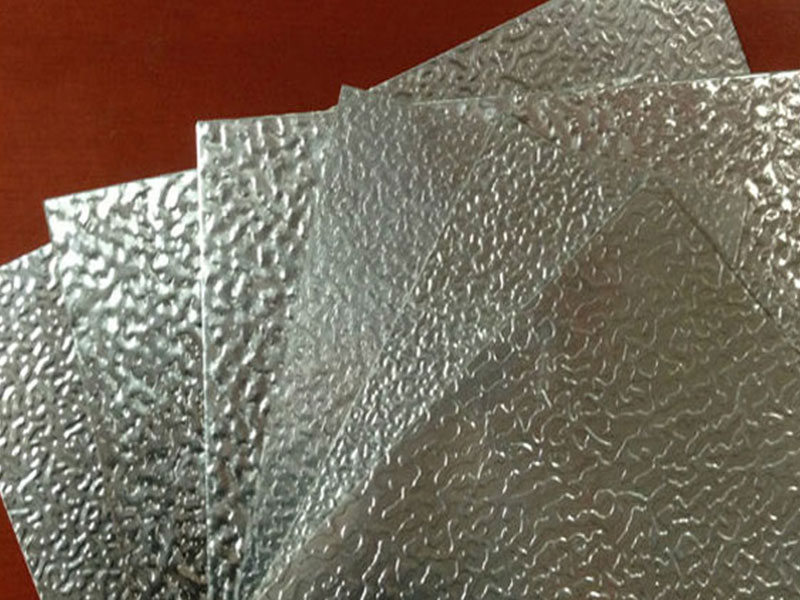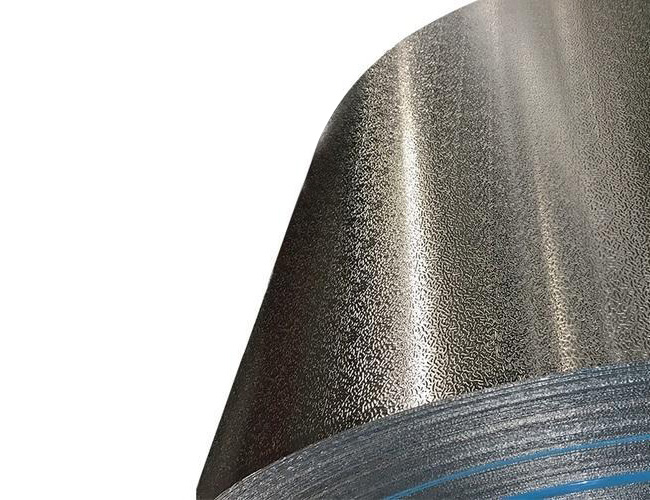

4x8 checker aluminum plate
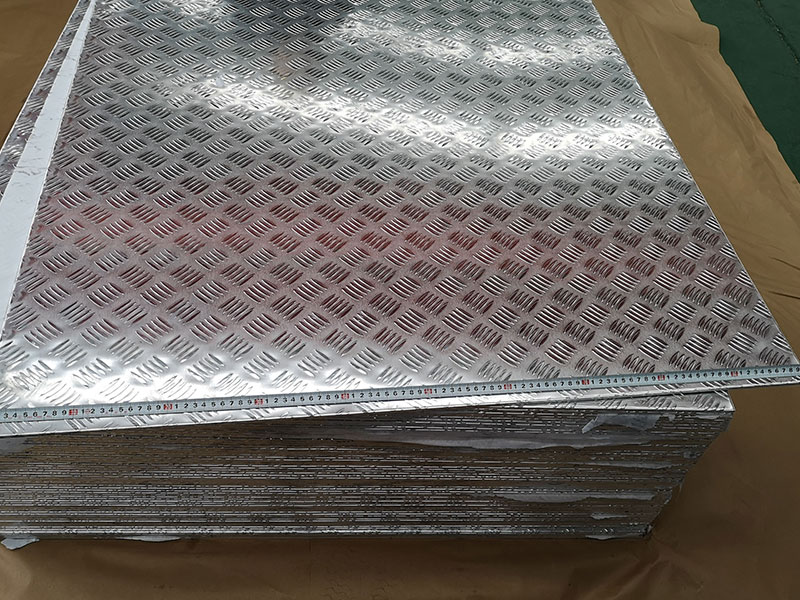
A 4x8 checker aluminum plate looks simple on the surface: a flat 4‑foot by 8‑foot aluminum sheet with raised patterns. Yet behind that textured face is a carefully engineered product designed to balance grip, strength, weight, corrosion resistance, and appearance. its technical details from a practical, application‑oriented viewpoint can help you choose the right plate for your project instead of just buying “whatever is in stock.”
Why the 4x8 format dominates
In many markets, 4x8 feet (approximately 1220 mm x 2440 mm) has become the default sheet size for checker aluminum plate. This is not just tradition; it is logistics and fabrication logic.
A 4x8 sheet:
- Fits standard flatbed trucks, pallets, and warehouse racks with minimal waste.
- Matches common floor bay spacing, van and trailer widths, and workbench sizes.
- Is large enough to cover small platforms, stair runs, and ramps in one piece but still light enough for two people to handle manually, especially in moderate thicknesses.
From a fabricator’s perspective, 4x8 reduces cutting time. Many flooring, wall cladding, and tool box dimensions are designed around this format, so you often get fewer off‑cuts and faster installation.
What the “checker” actually does
The raised pattern is not just decoration. A 4x8 checker aluminum plate usually carries one of several profiles:
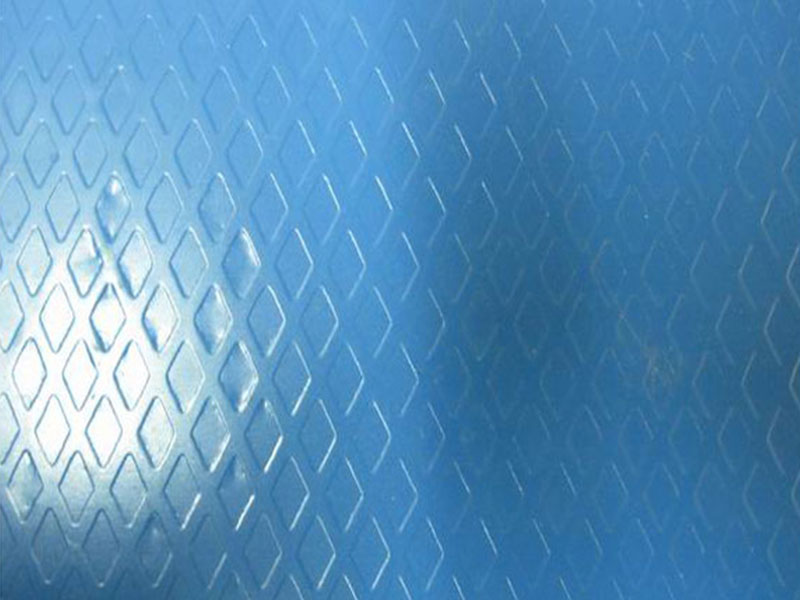
- Diamond tread (five‑bar or single‑bar pattern)
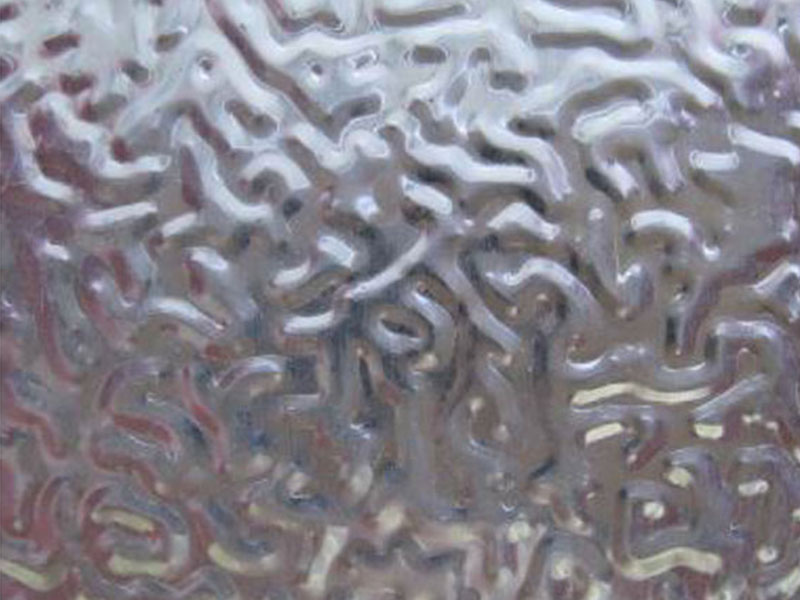
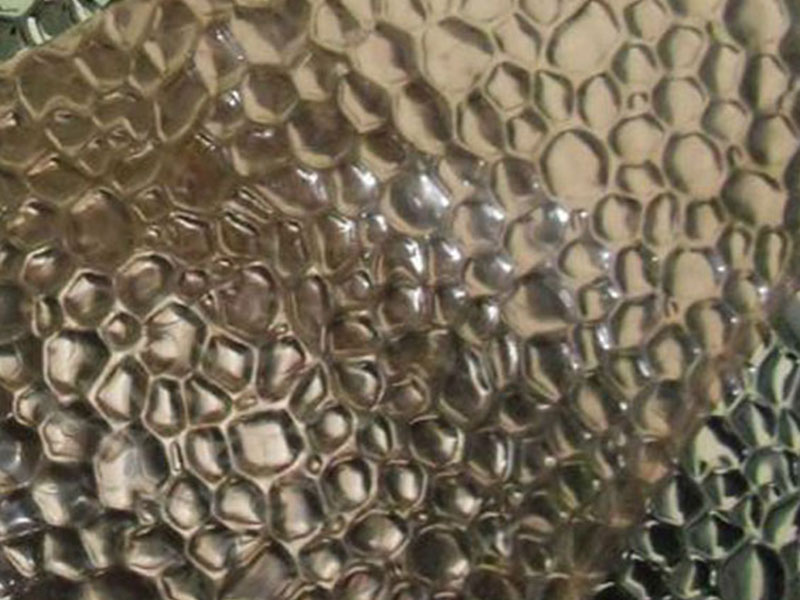
- Lentil or bean pattern
- Tear drop pattern
From a functional standpoint, these patterns:
- Increase friction between shoes, tires, or equipment and the surface, especially when wet or oily.
- Stiffen the sheet locally, improving resistance to denting without a large weight increase.
- Hide small scratches, dents, and dirt better than a smooth sheet, which matters in high‑traffic or industrial environments.
However, the pattern also changes contact behavior. For heavy point loads, such as the leg of a machine or a narrow wheel, the raised bars can concentrate pressure. That is why engineers often combine checker plate with an underlying structural support frame, especially in walkways or loading decks.
Thickness and dimensional parameters that really matter
For a 4x8 checker aluminum plate, “thickness” is often misunderstood. Two measures are important:
- Base thickness: the gauge of the flat aluminum sheet before embossing.
- Overall thickness: the total height including the raised pattern.
When calculating load capacity, deflection, or welding heat input, engineers usually refer to base thickness. The pattern height is more relevant to grip and cleaning.
Common base thicknesses for 4x8 checker plates range from about 1.2 mm up to 6.0 mm and beyond for heavy‑duty floors. As thickness increases:
- Load capacity and impact resistance improve.
- Sheet weight increases roughly linearly, affecting handling and transport.
- Bend radius must be larger to avoid cracking, especially in harder tempers.
Typical dimensional tolerances follow standards such as ASTM B209, EN 485, or GB/T 3880. These standards regulate:
- Thickness tolerance (influencing weight and structural calculations)
- Width and length tolerance (affecting fit-up in modular systems)
- Flatness and diagonal tolerance (critical when aligning multiple plates side by side)
When specifying a 4x8 checker aluminum plate, asking for compliance to a recognized sheet standard plus a tread pattern standard (such as ASTM B632 in some markets) helps guarantee consistent pattern height and spacing, which is important for aesthetics and uniform slip resistance.
Alloy and temper: how the plate behaves in the real world
Most 4x8 checker aluminum plates fall into a few alloy families. Each brings a different balance of strength, formability, corrosion resistance, and weldability.
From a practical user’s perspective:
3003 and 3004 checker plate
- Medium strength, excellent corrosion resistance in normal atmospheres.
- Very good formability and bendability, ideal for tool boxes, decorative panels, bus or trailer interiors, and light duty floors.
- Welds easily with common aluminum welding processes.
5052 and 5083 checker plate
- Higher strength and superior corrosion resistance, especially in marine and coastal environments.
- Suitable for boat decks, docks, truck beds, ramps, industrial walkways, cold storage floors.
- Maintains toughness at low temperatures, important in refrigerated areas.
6061 checker plate
- Heat‑treatable, high strength, good machinability.
- Used where both structural strength and tread are needed, such as machine bases, heavy‑duty platforms, and structural covers.
- Less formable in harder tempers; bending radii must be carefully chosen.
Temper indicates how the alloy was processed:
- H14, H22, H24: strain‑hardened to various degrees. These tempers offer a balance between strength and formability, suitable for many checker plate applications that require bending and light forming.
- H32, H34: higher strength, slightly reduced formability, favored where stiffness is more critical.
- O (annealed): very soft and extremely formable, but rarely used for exposed floor plates due to low strength.
- T6 (for 6xxx series): solution heat‑treated and artificially aged. Very strong but less forgiving in tight bends; typically used when machining or structural loading is more important than complex forming.
Choosing alloy and temper from a “function‑first” perspective means:
- For decorative and light‑use indoor areas, 3003‑H14 or similar is generally sufficient.
- For outdoor, marine, or industrial walkways, 5052‑H32 or 5083‑H111 are common choices.
- For structural covers or machine platforms requiring both strength and tread, 6061‑T6 checker plates may be specified, often supported by steel or aluminum subframes.
Implementation standards and surface expectations
Standards do more than regulate dimensions; they set expectations for performance and appearance.
Common reference standards include:
- ASTM B209 or EN 485 for flat rolled aluminum sheet properties.
- ASTM B209M or EN 1386 for metric dimensions.
- ASTM B632 or equivalent for embossed tread plates in some regions.
- National standards such as GB/T 3880 and GB/T 3618 in China covering chemical composition, mechanical properties, and rolling conditions.
When specifying a 4x8 checker aluminum plate, it helps to define:
- Mill finish or brushed/polished finish
- Acceptable range of surface defects (roll marks, small dents, pattern discontinuities)
- Whether protective plastic film is required on one or both sides
- Edge condition (mill edge or trimmed edge)
These details can significantly affect both installation time and the final appearance, especially in architectural or interior transport uses.
Chemical composition and why it matters
The alloy’s chemistry controls not only strength but also corrosion behavior, welding response, and compatibility with other metals. Below is a simplified comparison of three frequently used alloys for 4x8 checker plates.
Chemical composition (mass %, typical ranges)
| Alloy | Si | Fe | Cu | Mn | Mg | Cr | Zn | Ti | Others | Al |
|---|---|---|---|---|---|---|---|---|---|---|
| 3003 | ≤ 0.60 | ≤ 0.70 | ≤ 0.05 | 1.0–1.5 | — | — | ≤ 0.10 | — | ≤ 0.15 | Balance |
| 5052 | ≤ 0.25 | ≤ 0.40 | ≤ 0.10 | ≤ 0.10 | 2.2–2.8 | 0.15–0.35 | ≤ 0.10 | ≤ 0.03 | ≤ 0.15 | Balance |
| 6061 | 0.4–0.8 | ≤ 0.70 | ≤ 0.40 | 0.15–0.40 | 0.8–1.2 | 0.04–0.35 | ≤ 0.25 | ≤ 0.15 | ≤ 0.15 | Balance |
implications in practical use:
- 3003, with manganese as its main alloying element, offers good corrosion resistance and formability but moderate strength, ideal for non‑structural tread surfaces.
- 5052, rich in magnesium and chromium, delivers excellent resistance to saltwater and industrial atmospheres, making it the go‑to choice for marine floors and outdoor ramps.
- 6061 combines magnesium and silicon to form Mg2Si, allowing heat treatment to high strength levels; it is more sensitive to stress corrosion and welding conditions but excels where structural demands are higher.
How 4x8 checker aluminum plate is used in practice
Thinking in terms of real spaces and loads helps match product to application.
In vehicle and transport interiors, 4x8 checker plates line van floors, trailer beds, bus steps, and pickup bed liners. Here, the focus is on slip resistance, ease of cleaning, light weight, and visual impact. 3003‑H14 or 5052‑H32 are common choices.
In industrial environments, checker plates serve as catwalk decking, machine access platforms, inspection covers, and anti‑slip zones around heavy equipment. Higher strength alloys and thicker gauges, such as 5052 or 5083, are typical, often backed by a structural framework.
In architectural and commercial spaces, they can appear as wall guards, elevator floors, stair nosings, and entrance thresholds. Visual consistency, clean pattern definition, and surface finish become critical, with designers often specifying polished or brushed patterns in medium thickness.
In marine and offshore areas, 5052 or 5083 checker plate in 4x8 sheets is cut and joined to form boat decks, dock surfaces, and ramps. Here, resistance to pitting and crevice corrosion under constant moisture and salt exposure is not optional but fundamental.
Bringing it all together when you buy
Selecting a 4x8 checker aluminum plate is essentially an optimization problem:
- Define environment: indoor, outdoor, marine, chemical exposure.
- Define loading: pedestrian only, light vehicles, heavy equipment.
- Define operations: bending, forming, welding, machining, or just cutting to size.
- Define appearance: utility finish or architectural finish.
From there, the right combination of alloy, temper, thickness, pattern, and standard compliance emerges naturally.
By treating 4x8 checker aluminum plate as a technical component instead of just a “textured sheet,” you get a product that is safer to walk on, better matched to your environment, easier to fabricate, and more economical over its entire service life.
https://www.aluminumplate.net/a/4x8-checker-aluminum-plate.html