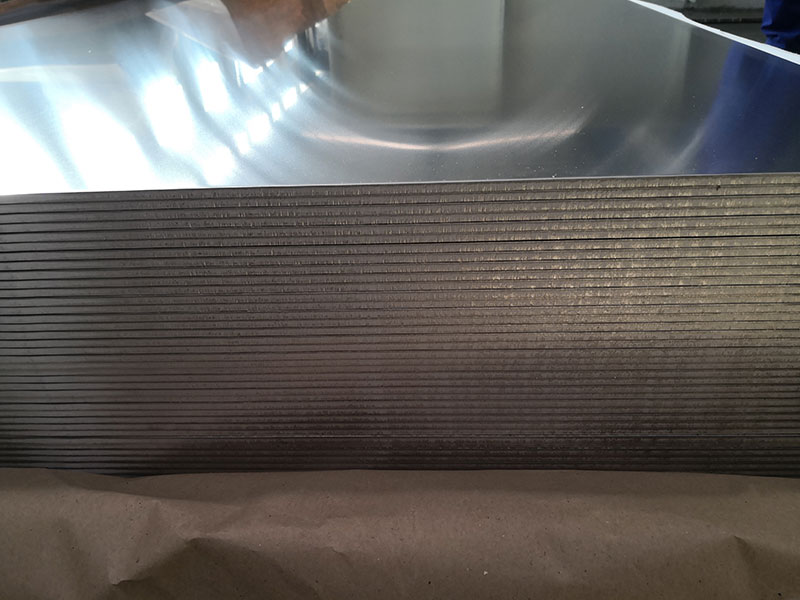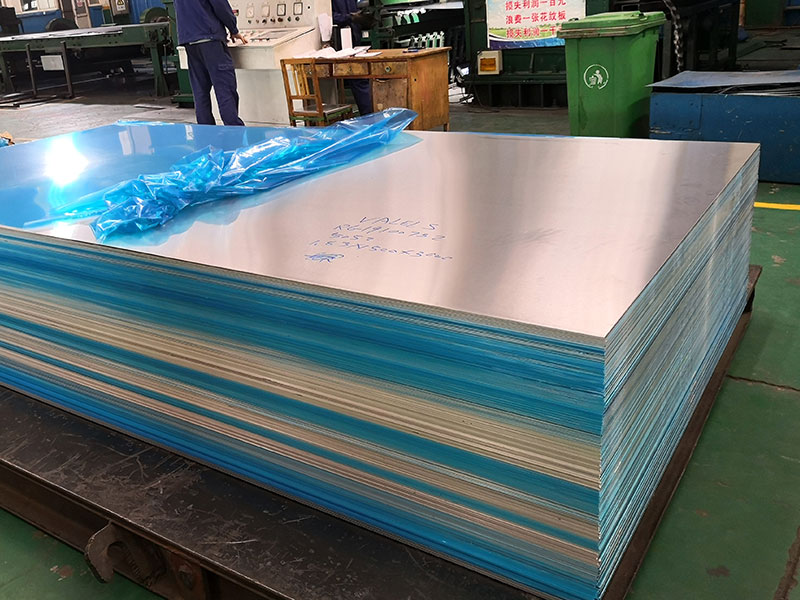

Aluminum Sheet 1mm 2mm Thick
Aluminum sheet in 1mm and 2mm thickness sits in a sweet spot that many engineers, fabricators, and buyers quietly rely on every day. It is thin enough to cut and shape with modest equipment, yet robust enough to carry loads, resist impact, and survive harsh environments. what is happening “inside” these sheets—the alloy design, temper, standards, and chemical behavior—helps you choose the right product instead of just picking a thickness off a chart.
Why 1mm and 2mm Matter: The Functional Gap Between Foil and Plate
Material thickness is not just a dimension; it defines how the sheet behaves in service.
A 1mm aluminum sheet:
- Bends easily, even with simple manual tools
- Offers excellent formability for covers, skins, light-duty enclosures
- Keeps weight extremely low, ideal for non-structural panels and cosmetic parts
A 2mm aluminum sheet:
- Feels substantially stiffer and more “plate-like”
- Tolerates higher loads and larger spans without noticeable flex
- Works well for light structural panels, machine guards, small brackets, and panels that may be stepped on or impacted
Most design choices between 1mm and 2mm are really about stiffness and deflection rather than pure strength. Aluminum’s yield strength doesn’t double when you double thickness, but flex resistance (bending stiffness) increases significantly because it depends on thickness cubed. That is why a 2mm sheet feels dramatically more rigid than a 1mm sheet of the same alloy and temper.
The Alloy Behind the Sheet: Different Personalities for Different Jobs
Aluminum sheet is not a single material. The alloy family and temper define what the sheet can actually do.
Common alloys for 1mm and 2mm sheets include:
1100 / 1050: Commercially pure aluminum
- Extremely high ductility and corrosion resistance
- Used where formability and conductivity matter more than strength
- Ideal for decorative panels, reflectors, electrical applications
3003 / 3004: Manganese alloyed non-heat-treatable
- Better strength than pure aluminum, still very formable
- Widely used for general-purpose panels, HVAC, kitchen equipment, cladding
5005 / 5052 / 5083: Magnesium alloyed non-heat-treatable
- Stronger and more corrosion-resistant, especially in marine environments
- 5052 and 5083 are favorites for marine panels, vehicle bodies, toolboxes, enclosures
6061 / 6082: Magnesium–silicon heat-treatable
- High strength, good machinability, decent corrosion resistance
- Used where light structural strength is needed: brackets, machine components, frames
At 1mm thickness, softer alloys and tempers (like 1100-O or 3003-H14) are often preferred for bending, deep drawing, or aesthetic panels. At 2mm, higher-strength alloys (5052-H32, 5083-H111, 6061-T6) come into their own for structural and mechanical parts.
Decoding Temper: How Hard or Soft Should Your Sheet Be?
Temper symbols (O, H, T) describe the thermal and mechanical history of the sheet and explain why two sheets with the same alloy and thickness can behave very differently.
Common tempers for 1mm and 2mm sheets:
O (Annealed)
- Softest, maximum ductility
- Ideal for severe forming, deep drawing, complex bending
- Lower strength but almost “butter-like” to work with
H14 / H24 / H32 etc. (Strain hardened)
- Cold-worked to increase strength
- Balanced formability and strength
- H14 typically used for general-purpose panels; H32 is common in 5052
T6 (Solution heat-treated and artificially aged)
- High strength, reduced ductility
- Suitable for machining and structural plates
- For complex bends, T6 may crack; stress-relief or temper adjustment might be needed
For example:
- 1mm 3003-H14 sheet: Easy bending for enclosures, casings, non-critical brackets
- 2mm 5052-H32 sheet: Strong, corrosion-resistant panels for vehicles, boats, outdoor cabinets
- 2mm 6061-T6 sheet: Lightweight structural components, machine plates, mounting brackets
Choosing the wrong temper can mean cracked bends, springback issues, or excess weight from over-specifying.
Implementation Standards: Making Sure “1mm” Really Means Precision
Dimensional and quality consistency are controlled by international and national standards. For buyers focused on performance and repeatability, these matter as much as the thickness value.
Relevant standards often include:
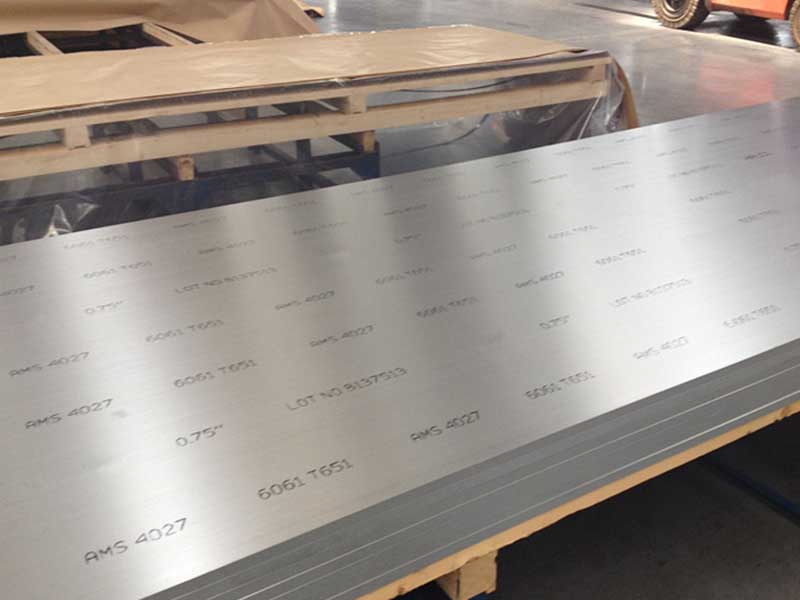
- ASTM B209: Aluminum and Aluminum-Alloy Sheet and Plate
- EN 485 series: Aluminum and aluminum alloy sheet, strip, and plate (European)
- GB/T 3880: Aluminum and aluminum alloy plates and strips (China)
- ISO standards for mechanical properties and tolerances
These standards define:
- Thickness and width tolerances (so 1mm is really close to 1mm across the sheet)
- Flatness and edge conditions
- Mechanical property ranges by alloy and temper
- Permissible surface defects
For applications like laser-cut parts, gasket flanges, and precision panels, such tolerances affect how pieces fit, seal, and assemble.
Functional Applications of 1mm and 2mm Aluminum Sheet
From an application viewpoint, think of 1mm as “skin” and 2mm as “structure-skin.”
Typical uses for 1mm sheets:
- Appliance skins, decorative covers, and interior panels
- Lightweight machine guards, inspection covers
- HVAC duct panels and plenums
- Sign boards, display panels, nameplates
- Reflective surfaces and light housings
Typical uses for 2mm sheets:
- Automotive and trailer body panels, van linings, pickup toolboxes
- Marine interior panels, cabin walls, light-duty decks and hatches
- Machine and electrical enclosures that require stiffness and impact resistance
- Small chassis plates, brackets, base plates, and structural gussets
- Architectural soffits, trims, and façade sub-panels
The combination of alloy, thickness, and temper defines whether your sheet becomes a decorative cladding or a load-bearing component.
Surface Condition and Processing Behavior
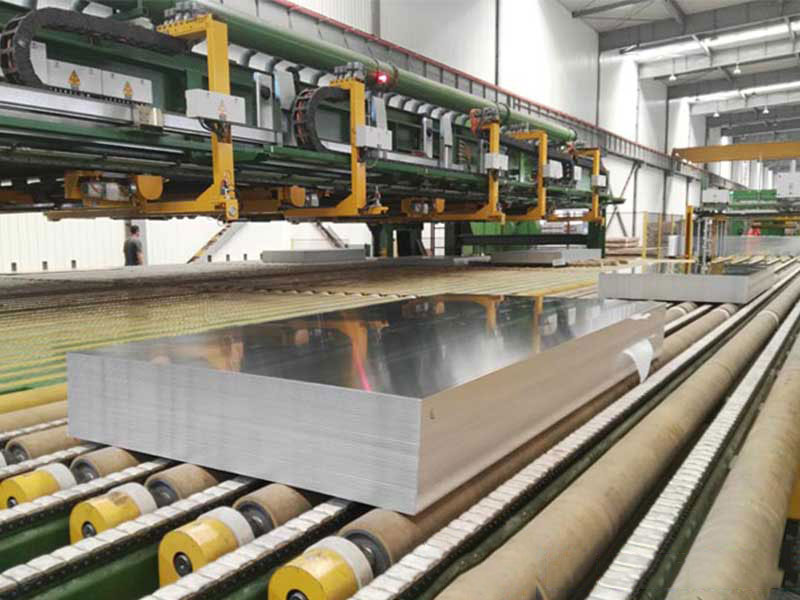
In production, 1mm and 2mm sheets are often supplied:
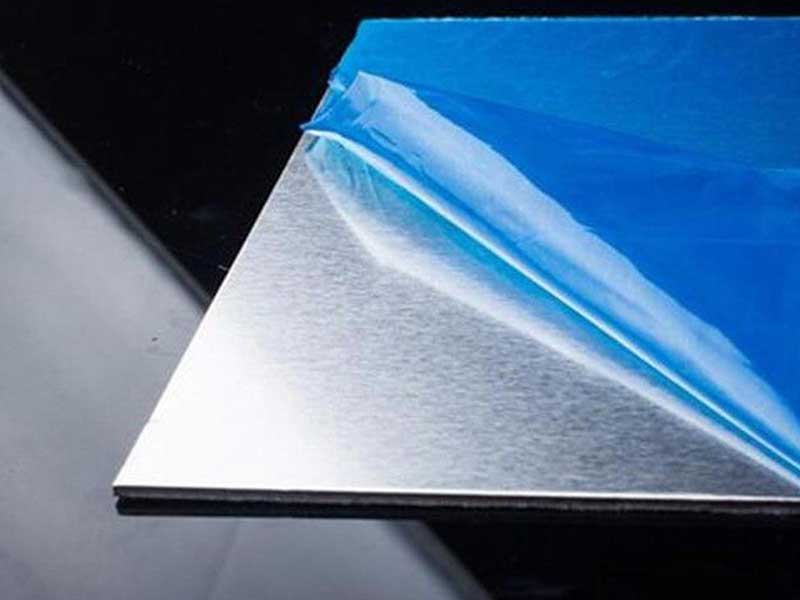
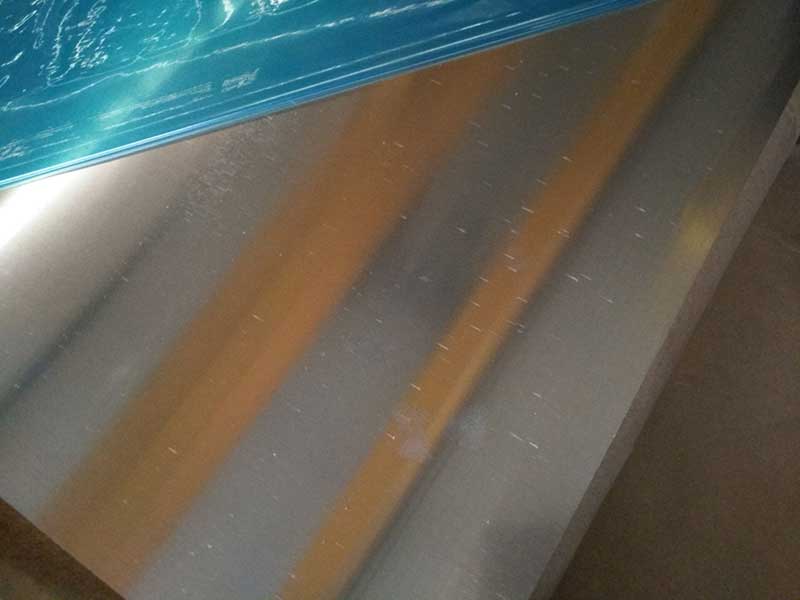
- Mill finish: Raw rolled surface, suitable for further processing or painting
- Brushed or embossed: For visible surfaces needing a specific texture
- Anodized: Enhanced corrosion resistance and appearance (particularly 5005 for color consistency)
Processing characteristics:
- Cutting: Both thicknesses can be cut by shear, punching, laser, or waterjet. Thinner 1mm material is more prone to burrs from mechanical shearing; precision cutting favors laser or waterjet.
- Bending: 1mm bends with tighter radii; 2mm requires more attention to inside bend radius and grain direction, especially in harder tempers like H34 or T6.
- Welding: 5xxx and 6xxx alloys at 2mm thickness provide a good balance of weldability and strength. At 1mm, heat control is critical to avoid burn-through or distortion.
Chemical Composition: What’s in the Sheet?
Different alloys are carefully balanced to achieve specific properties. Below is a reference-style chemical composition table for three common sheet alloys used at 1mm and 2mm thickness. Values are typical maximums or ranges (mass percent).
| Alloy | Si | Fe | Cu | Mn | Mg | Cr | Zn | Ti | Al |
|---|---|---|---|---|---|---|---|---|---|
| 1100 | 0.95 max | 0.95 max | 0.05–0.20 | 0.05 max | — | — | 0.10 max | 0.05 max | Balance (≥99.0) |
| 3003 | 0.60 max | 0.70 max | 0.05–0.20 | 1.0–1.5 | — | — | 0.10 max | 0.05 max | Balance |
| 5052 | 0.25 max | 0.40 max | 0.10 max | 0.10 max | 2.2–2.8 | 0.15–0.35 | 0.10 max | 0.03 max | Balance |
How this chemistry translates into behavior:
- 1100: Very low alloy content means extremely high corrosion resistance and thermal/electrical conductivity, but limited strength.
- 3003: Manganese increases strength over pure aluminum while maintaining good formability.
- 5052: Magnesium and chromium bring higher strength and outstanding corrosion resistance, especially in marine and outdoor environments.
When buying 1mm or 2mm aluminum sheet, specifying alloy and temper gives you predictable mechanical performance tied directly to this chemistry.
Putting It All Together: Choosing the Right 1mm or 2mm Sheet
A quick way to align requirements:
Need deep drawing or complex bending and low structural load?
- 1mm 1100-O or 3003-O/H14
Need general-purpose panels with moderate strength and good corrosion resistance?
- 1mm or 2mm 3003-H14, 5005-H14
Need outdoor or marine panels with higher strength, weldability, and durability?
- 2mm 5052-H32 or 5083-H111
Need light structural parts, brackets, machine plates with machining capability?
- 2mm 6061-T6 or 6082-T6 (with attention to bendability)
By seeing 1mm and 2mm aluminum sheet not just as “thin metal,” but as a combination of internal chemistry, tempering history, and standardized tolerances, you can match the sheet precisely to your project’s function, environment, and processing route. That is where performance, cost, and reliability come together—and where the right sheet thickness becomes a strategic design decision rather than a guess.
https://www.aluminumplate.net/a/aluminum-sheet-1mm-2mm-thick.html