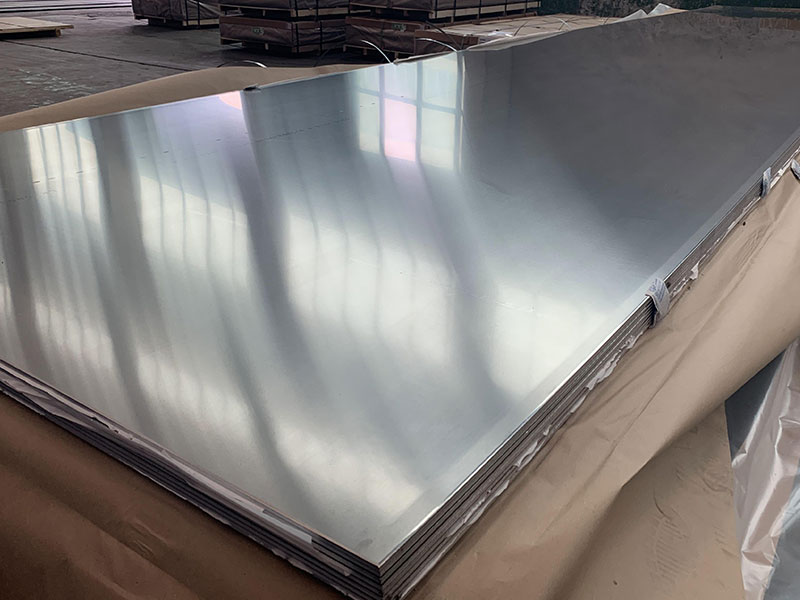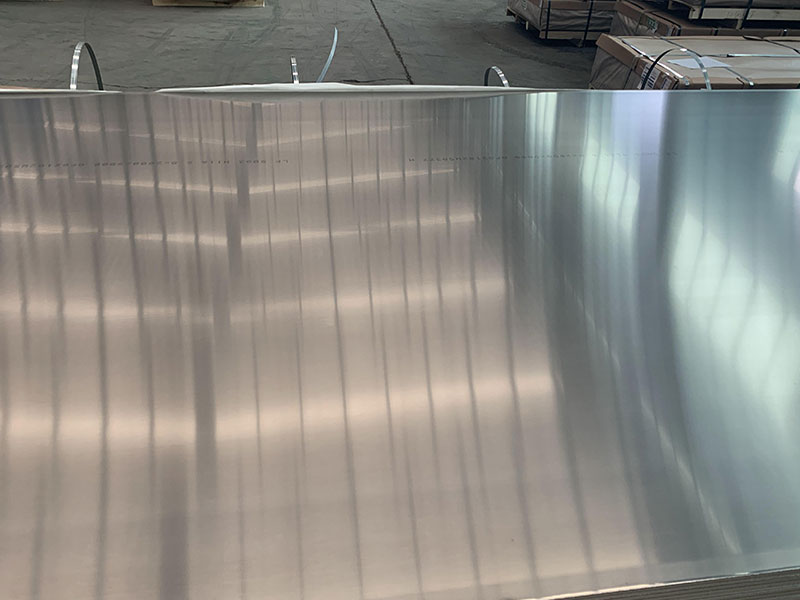

7.5mm Marine Grade Aluminium 5083
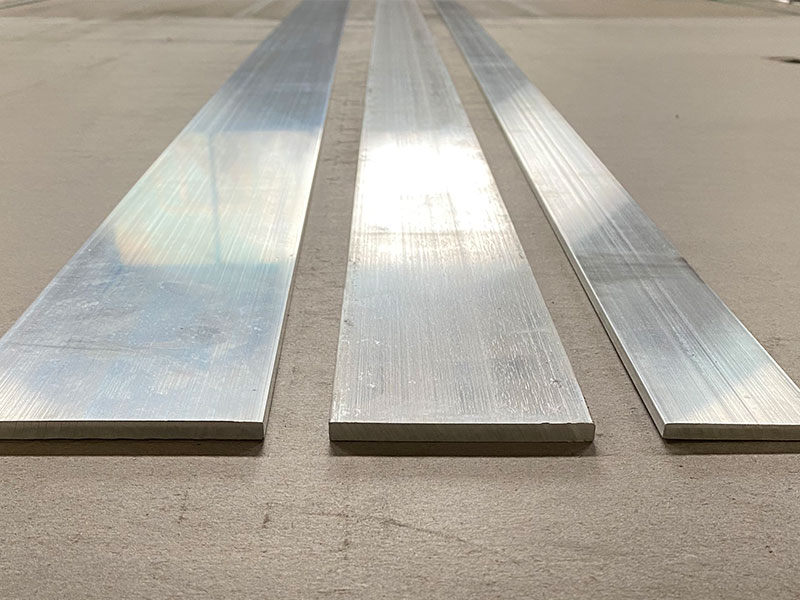
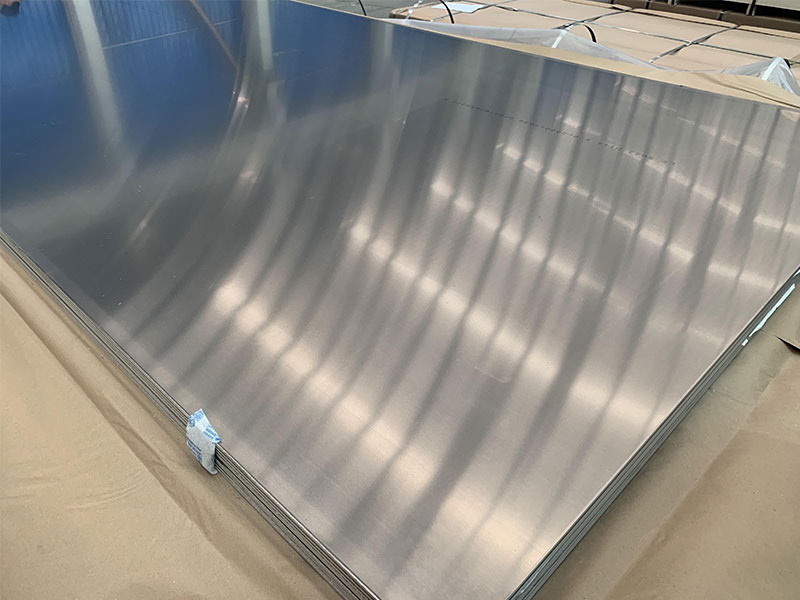
7.5mm Marine Grade Aluminium 5083 is a high-strength, corrosion-resistant plate and sheet material designed specifically for demanding marine and offshore environments. With excellent weldability, fatigue resistance, and proven performance in seawater, it is a preferred choice for hull plating, decks, superstructures, and structural components in commercial and leisure vessels.
7.5mm Marine Grade Aluminium 5083 is a premium marine alloy plate offering outstanding corrosion resistance in seawater, high strength-to-weight ratio, and excellent weldability. It is ideal for boat hulls, decks, superstructures, shipbuilding, offshore platforms, and high-performance marine structures where durability, low maintenance, and weight reduction are critical.
Features of 7.5mm Marine Aluminium 5083
Optimized thickness for hulls and decks
At 7.5mm, this plate balances stiffness, weight, and formability. It is thick enough for structural integrity under wave impact and deck loads, yet light enough to contribute to overall vessel efficiency and payload capacity.Excellent corrosion resistance in seawater
Alloy 5083 is a non-heat-treatable, magnesium-rich alloy with outstanding resistance to saltwater corrosion, brine, and marine atmospheres. It is especially suitable for long-term immersion, splash zones, and exposed deck areas.High strength-to-weight ratio
Compared to mild steel, 5083 offers significant weight savings while maintaining strong mechanical performance. This enables lighter vessels, higher speeds, lower fuel consumption, and greater cargo or equipment capacity.Superior weldability for marine fabrication
5083 can be easily welded using conventional MIG or TIG techniques, with good retention of strength in welded zones. Common marine tempers such as H116 and H321 are specifically optimized for welded structures in seawater.Good formability and bend performance
7.5mm 5083 plate can be cold-formed, rolled, or bent for hull curvature, bulkheads, and tank structures, provided proper bend radii and fabrication practices are followed.Non-magnetic and spark-resistant
The alloy’s non-magnetic nature is advantageous for navigation systems and sensitive instrumentation. Its spark-resistant behavior is beneficial for fuel tanks and hazardous atmospheres.
Typical Applications in Marine and Offshore Environments
7.5mm Marine Grade Aluminium 5083 is widely used where reliable structural performance is required without excessive weight or maintenance.
Common Marine Applications
- Hull plating for fishing boats, pilot boats, workboats, patrol craft, and leisure yachts
- Deck plating and walkways, including cargo decks and vehicle decks on ferries
- Superstructures, wheelhouses, and accommodation modules
- Internal and external bulkheads, frames, stringers, and stiffeners
- Engine room platforms, service catwalks, and access structures
- Fuel, fresh water, ballast, and grey water tanks
- Ramps, bow doors, stern doors, and loading platforms
Offshore and Industrial Uses
- Offshore platforms and topside structures exposed to marine atmospheres
- Gangways, pontoons, floating docks, and marina components
- Structural panels for high-corrosion industrial environments
- Protective cladding for steel structures in coastal or splash zones
Chemical Composition of Aluminium 5083
Typical composition limits for alloy 5083 (mass %) are shown below. Values may vary slightly by standard (EN, ASTM, etc.) and mill practice.
| Element | Minimum (%) | Maximum (%) |
|---|---|---|
| Magnesium (Mg) | 4.0 | 4.9 |
| Manganese (Mn) | 0.4 | 1.0 |
| Chromium (Cr) | 0.05 | 0.25 |
| Iron (Fe) | — | 0.40 |
| Silicon (Si) | — | 0.40 |
| Copper (Cu) | — | 0.10 |
| Zinc (Zn) | — | 0.25 |
| Titanium (Ti) | — | 0.15 |
| Other (each) | — | 0.05 |
| Other (total) | — | 0.15 |
| Aluminium (Al) | Balance | Balance |
The relatively high magnesium content is the main contributor to the alloy’s strength and excellent seawater resistance.
Common Tempers for Marine Service
While 7.5mm 5083 can be supplied in several tempers, marine and shipbuilding projects typically use strain-hardened and stabilized tempers developed specifically for seawater.
| Temper | Description | Typical Marine Use |
|---|---|---|
| O | Annealed, soft | Deep forming, complex bending; less common for 7.5mm structural plate |
| H111 | Slightly strain-hardened | General structural plate, moderate forming, good weldability |
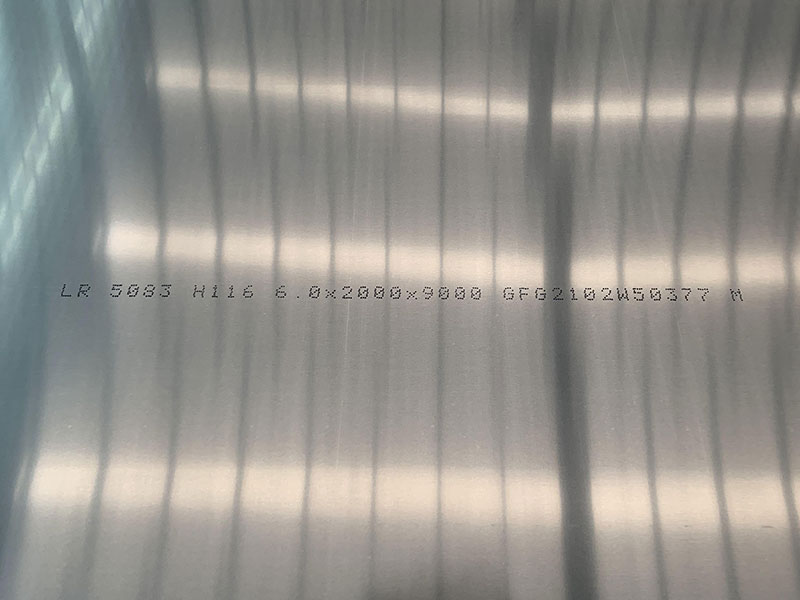
| H116 | Strain-hardened, controlled properties for marine service | Hull plating, decks, and structures in continuous seawater contact |
| H321 | Strain-hardened and stabilized | Applications requiring excellent corrosion resistance and dimensional stability |
| H32 / H34 | Strain-hardened | Non-immersed structures where higher strength is prioritized over formability |
For immersed hull plating, H116 and H321 are generally preferred due to enhanced resistance to exfoliation and stress corrosion in marine environments.
Mechanical Properties (Typical Values)
The mechanical properties of 5083 depend on temper, product form, and thickness. The following table gives indicative values for 7.5mm plate in common marine tempers, based on typical international standards.
| Property | Unit | 5083-H111 (7.5mm) | 5083-H116 (7.5mm) | 5083-H321 (7.5mm) |
|---|---|---|---|---|
| Tensile strength, Rm | MPa | 275 – 345 | 305 – 355 | 295 – 345 |
| Yield strength, Rp0.2 | MPa | 125 – 215 | 215 – 260 | 215 – 260 |
| Elongation (A50) | % | ≥ 10 – 14 | ≥ 10 | ≥ 10 |
| Brinell hardness (HBW) | — | ~75 | ~90 | ~85 – 90 |
| Density | g/cm³ | 2.65 – 2.68 | 2.65 – 2.68 | 2.65 – 2.68 |
These values are typical, not guaranteed. Mill test certificates (MTC) should always be consulted for project-critical design data.
Dimensional and Physical Data for 7.5mm Plate
| Parameter | Unit | Typical Value / Note |
|---|---|---|
| Nominal thickness | mm | 7.5 |
| Thickness tolerance | mm | Typically ±0.2 to ±0.3 (depending on standard and width) |
| Standard widths | mm | 1000 / 1250 / 1500 / 2000 (custom widths available on request) |
| Typical length | mm | 3000 / 6000 (cut-to-length available) |
| Density | kg/m³ | ~2660 |
| Melting range | °C | 570 – 640 |
| Coefficient of thermal expansion | µm/m·°C | ~23.9 (20–100 °C) |
| Thermal conductivity | W/m·K | ~120 – 130 |
| Electrical conductivity | % IACS | ~28 – 32 |
Weight Calculation for 7.5mm 5083 Marine Plate
Approximate mass of 7.5mm 5083 plate per square metre:
| Thickness | Density | Area | Approx. Weight |
|---|---|---|---|
| 7.5 mm (0.0075 m) | 2660 kg/m³ | 1 m² | ~19.95 kg/m² |
For quick reference, the following table shows typical panel sizes and approximate weights:
| Plate Size (mm) | Area (m²) | Approx. Weight (kg) |
|---|---|---|
| 1000 × 3000 | 3.00 | ~59.8 |
| 1250 × 3000 | 3.75 | ~74.8 |
| 1500 × 3000 | 4.50 | ~89.8 |
| 1500 × 6000 | 9.00 | ~179.6 |
| 2000 × 6000 | 12.00 | ~239.4 |
These values assume a density of 2660 kg/m³ and are provided for planning and logistics purposes.
Corrosion Resistance and Surface Performance
Seawater and marine atmosphere
5083 offers excellent resistance to both constant immersion and cyclic wet–dry exposure, making it suitable for hulls, ballast tanks, and deck areas.Stress corrosion and exfoliation
When supplied in marine tempers H116 or H321, 5083 demonstrates enhanced resistance to exfoliation and stress corrosion cracking, particularly important in high-stress hull regions.Galvanic compatibility
In contact with more noble metals (such as stainless steels), galvanic corrosion can occur in the presence of an electrolyte. Good design practices include isolating dissimilar metals, using appropriate sealants, gaskets, and coatings, and ensuring drainage.Surface finishes
The plate can be delivered mill-finished, shot-brushed, or with protective film. It is suitable for painting, powder coating, or marine-grade anodizing with appropriate surface preparation.
Fabrication, Welding, and Processing
Cutting
7.5mm 5083 plate can be cut using CNC routers, plasma, waterjet, or carbide-tipped saws. Waterjet cutting is preferred for high dimensional accuracy without heat-affected edges.Forming and bending
The alloy has good formability at this thickness. Recommended inside bend radii depend on temper (larger radii for H116/H321). Pre-bend trials and bending with the grain direction considered are advisable for critical parts.Welding
Compatible filler wires include 5356 and 5183, commonly used in shipbuilding. These fillers provide strong welds with good corrosion resistance in seawater. Post-weld cleaning (removal of flux residues and oxide) is important to maintain long-term durability.Machining
Machinability is moderate. Sharp tools, proper lubrication, and chip evacuation help achieve good surface finish and dimensional consistency.
Standards and Certifications
7.5mm Marine Grade Aluminium 5083 can be supplied to meet major international standards and classification requirements, such as:
| Standard / Body | Typical Reference |
|---|---|
| EN / ISO | EN 485, EN 573, EN 1386, EN 10088 equivalents for wrought aluminium products |
| ASTM | ASTM B209 for aluminium and aluminium-alloy sheet and plate |
| Classification societies | DNV, ABS, LR, BV, RINA, CCS approvals for marine-grade plate (on request) |
Mill test certificates (EN 10204 3.1 or equivalent) are available to document chemistry and mechanical properties for each batch, enabling full traceability for shipyard and offshore projects.
Why Choose 7.5mm 5083 for Marine Projects
- Reliable performance in seawater and harsh marine climates
- Proven track record in commercial shipbuilding and high-speed craft
- Significant weight savings compared with steel, without compromising structural integrity
- Excellent weldability and fabrication characteristics, reducing build time and cost
- Long service life with minimal maintenance, supporting lower lifecycle costs
For designers, shipyards, and fabricators, 7.5mm Marine Grade Aluminium 5083 offers a robust, versatile solution for hulls, decks, and structural elements where strength, corrosion resistance, and weight efficiency must work together.
https://www.aluminumplate.net/a/75mm-marine-grade-aluminium-5083.html