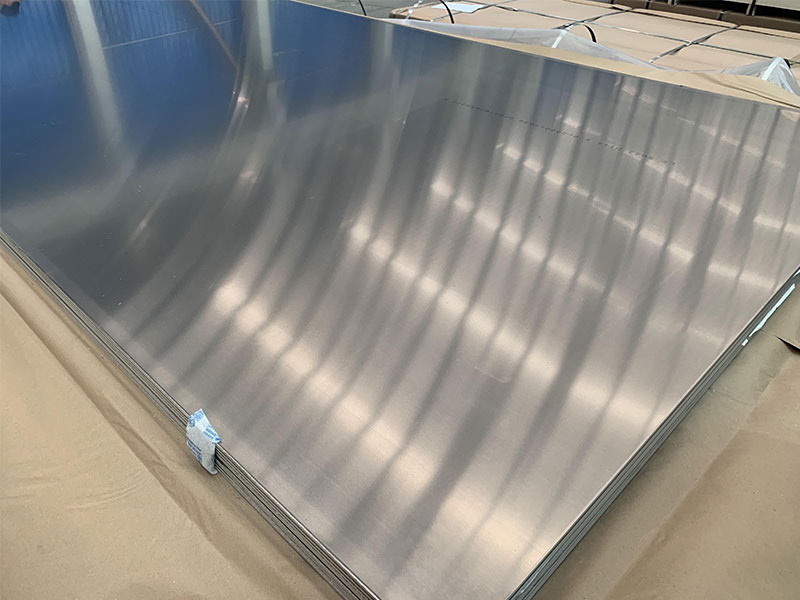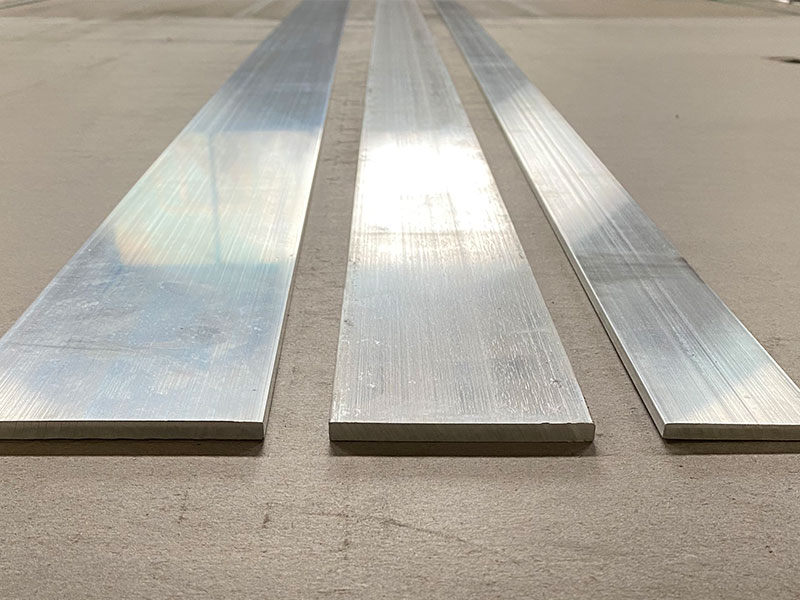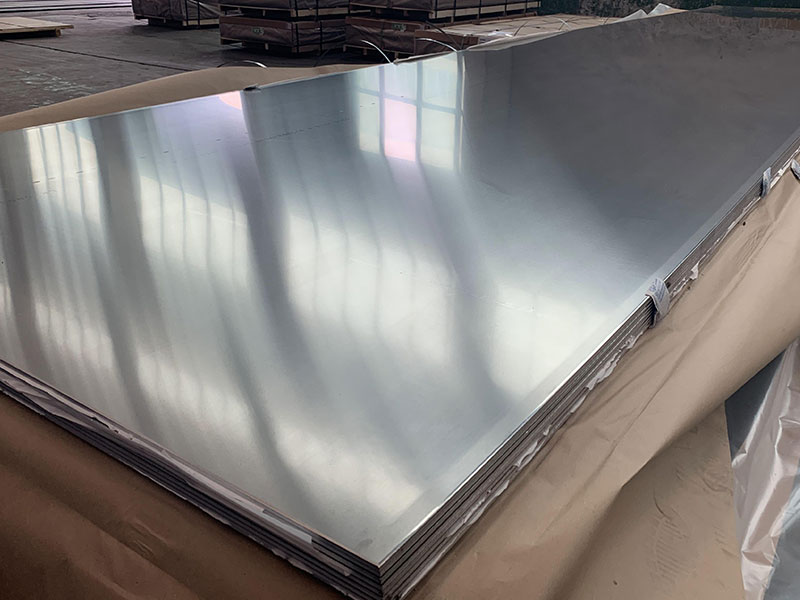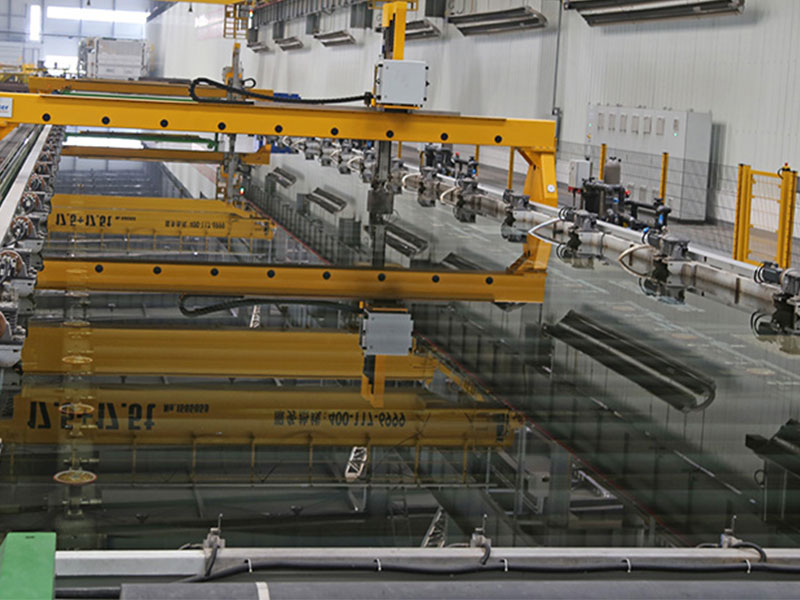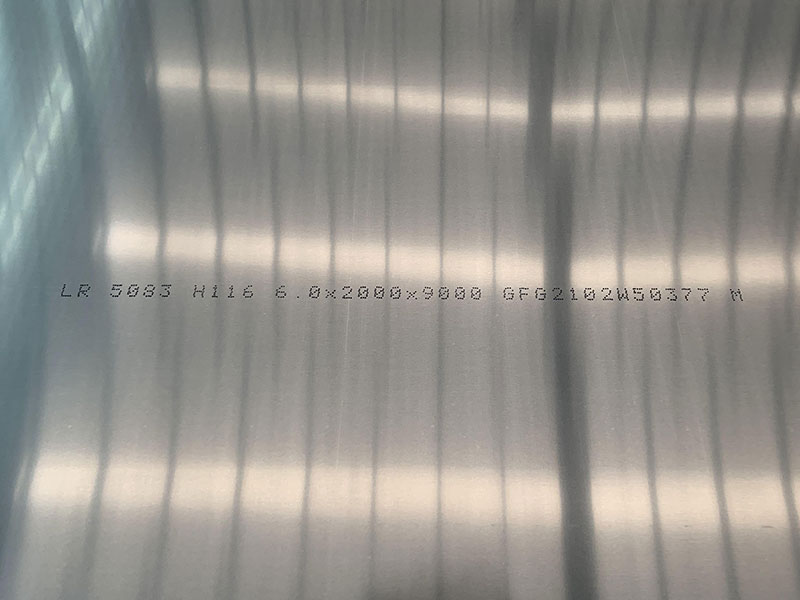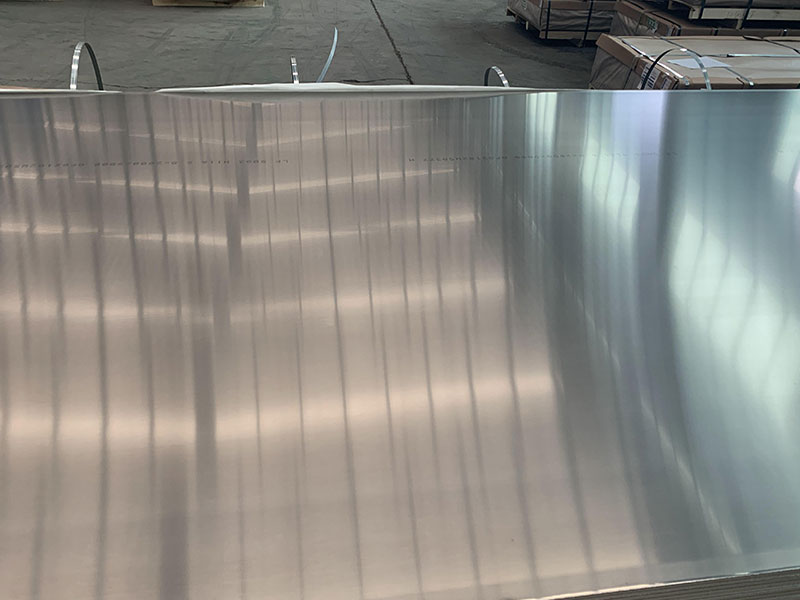

Aluminium plate for ship building
Aluminium plate has become a core material in modern shipbuilding, especially for high‑speed vessels, ferries, patrol boats, workboats, and offshore structures. Its combination of low weight, excellent corrosion resistance, and high strength-to-weight ratio offers shipyards a powerful alternative to traditional steel structures.
Features of Marine Aluminium Plate
Lightweight with High Strength
Aluminium’s density is roughly one-third that of steel, allowing substantial weight savings in hulls and superstructures.
| Property | Typical Value* | Comment |
|---|---|---|
| Density | ~2.70 g/cm³ | ≈ 35–40% of common ship steels |
| Tensile strength (5083-H116) | 270–330 MPa | High for non‑heat‑treatable alloy |
| Yield strength (5083-H116) | 125–215 MPa | Depends on thickness & temper |
| Elongation | 10–16% | Good ductility for forming |
*Values are typical for reference only.
Weight reduction translates directly into higher payload capacity, lower fuel consumption, and improved stability or speed, depending on the vessel’s design targets.
Excellent Marine Corrosion Resistance
Marine‑grade aluminium plates, especially 5xxx and 6xxx series, are designed to resist:
- Seawater pitting and crevice corrosion
- Atmospheric and splash‑zone attack
- Galvanic corrosion when properly isolated from dissimilar metals
Alloying with magnesium and trace elements forms a stable passive oxide film, minimizing maintenance and extending service life.
| Alloy Series | Main Alloying Element | Corrosion Resistance in Seawater | Typical Use Area |
|---|---|---|---|
| 5xxx | Magnesium (Mg) | Very good | Hulls, decks, tanks |
| 6xxx | Mg + Si | Good (with coating/anodizing) | Superstructures, interiors |
Good Weldability and Fabrication
Marine aluminium plates are optimized for common shipyard fabrication methods:
| Fabrication Step | Suitability | Notes |
|---|---|---|
| MIG/TIG welding | Excellent for 5xxx, 6xxx series | Low tendency to hot cracking when controlled |
| Cutting (plasma/laser) | Very good | Clean edges, minimal distortion |
| Cold forming/bending | Good ductility | Large radius recommended for thick plates |
| Machining | Good to moderate | Chip‑forming improves with 6xxx series |
Low preheat requirements, stable weld pools, and good post‑weld properties make aluminium plate attractive for modular and block construction in shipyards.
Fire and Safety Performance
Aluminium does not burn, but it loses strength at elevated temperatures. Design rules and classification society guidelines specify:
| Aspect | Aluminium Plate Behavior |
|---|---|
| Melting point | ~660 °C |
| Strength retention | Reduced above ~200–250 °C |
| Fire safety measures | Insulation, fire‑rated bulkheads, fire zoning |
When combined with appropriate insulation systems, aluminium superstructures can meet IMO and class fire protection requirements.
Common Marine Aluminium Alloys
The 5xxx (Al‑Mg) and 6xxx (Al‑Mg‑Si) series dominate shipbuilding.
| Alloy | Series | Condition Examples | Main Use in Ships |
|---|---|---|---|
| 5083 | 5xxx | O, H111, H116, H321 | Hull plating, bottom, side shell |
| 5086 | 5xxx | H116, H32 | Hulls, decks, ice‑strengthened areas |
| 5454 | 5xxx | H111, H32 | Tanks, cargo holds, pressure parts |
| 5456 | 5xxx | H116, H321 | High‑strength hull structures |
| 5754 | 5xxx | O, H111 | Decks, flooring, interior structures |
| 6061 | 6xxx | T4, T6 | Masts, fittings, machined components |
| 6082 | 6xxx | T6, T651 | Superstructures, stiffeners, extrusions |
Indicative Chemical Composition (Mass %)
Values vary slightly by standard (e.g., EN, ASTM, GB). The following are typical ranges:
| Alloy | Si | Fe | Cu | Mn | Mg | Cr | Zn | Ti | Al |
|---|---|---|---|---|---|---|---|---|---|
| 5083 | ≤0.40 | ≤0.40 | ≤0.10 | 0.40–1.00 | 4.0–4.9 | 0.05–0.25 | ≤0.25 | ≤0.15 | Balance |
| 5086 | ≤0.40 | ≤0.50 | ≤0.10 | 0.20–0.70 | 3.5–4.5 | ≤0.25 | ≤0.25 | ≤0.15 | Balance |
| 5454 | ≤0.25 | ≤0.40 | ≤0.10 | 0.50–1.0 | 2.4–3.0 | ≤0.20 | ≤0.25 | ≤0.20 | Balance |
| 5754 | ≤0.40 | ≤0.40 | ≤0.10 | 0.30–0.50 | 2.6–3.6 | ≤0.30 | ≤0.20 | ≤0.15 | Balance |
| 6082 | 0.70–1.30 | ≤0.50 | ≤0.10 | 0.40–1.0 | 0.60–1.2 | ≤0.25 | ≤0.20 | ≤0.10 | Balance |
Typical Mechanical and Physical Properties
Values are indicative for common marine tempers and thickness ranges.
Mechanical Properties
| Alloy–Temper | Thickness (mm) | Tensile Strength Rm (MPa) | Yield Strength Rp0.2 (MPa) | Elongation A50 (%) |
|---|---|---|---|---|
| 5083-H116 | 4–12 | 270–330 | 125–215 | 10–16 |
| 5083-H321 | 4–12 | 270–330 | 215–260 | 8–12 |
| 5086-H116 | 4–12 | 260–320 | 110–240 | 10–16 |
| 5454-H32 | 4–12 | 215–285 | 125–200 | 12–18 |
| 5754-H111 | 4–12 | 190–240 | 80–130 | 14–20 |
| 6082-T6 | 6–40 | 260–310 | 240–260 | 8–10 |
Physical Properties
| Property | Typical Value |
|---|---|
| Density | ~2.70 g/cm³ |
| Modulus of elasticity | ~70 GPa |
| Coefficient of thermal expansion | ~23 × 10⁻⁶ /K |
| Thermal conductivity | 120–180 W/(m·K) |
| Electrical conductivity | 30–40 % IACS |
Standard Dimensions and Supply Forms
Marine aluminium plates are available in a wide range of sizes to match different vessel sections and design philosophies.
| Parameter | Typical Range |
|---|---|
| Thickness | 3 – 100 mm (custom on request) |
| Width | 1000 – 3000 mm (wide plate for hulls) |
| Length | 2000 – 12000 mm (long panels) |
| Surface condition | Mill finish, shot‑blasted, primed |
| Edge condition | Mill edge, sawn, or machined edges |
| Standards | EN 485 / 5083; ASTM B209; DNV, ABS, LR approvals |
Large, wide plates reduce the number of weld seams, improving structural integrity and saving fabrication time.
Applications in Ship and Offshore Construction
Hull Structures
Aluminium plate is widely used in load‑bearing hull areas, especially where high speed and weight savings are critical.
| Hull Component | Recommended Alloy / Temper | Benefits |
|---|---|---|
| Side shell & bottom plating | 5083-H116 / 5086-H116 | High strength, excellent seawater resistance |
| Keel, bilge, chine areas | 5083-H321 / 5456-H116 | Improved fatigue resistance |
| Transom structures | 5083-H116 | Weldable, handles dynamic loads |
Application examples:
- High‑speed passenger ferries
- Coastal patrol and rescue vessels
- Pilot boats, crew transfer vessels
Decks and Superstructures
For decks, accommodation blocks, and wheelhouses, aluminium offers significant top‑side weight reduction, improving stability and allowing designers to raise superstructures or add equipment without penalizing the center of gravity.
| Area | Typical Alloy | Features |
|---|---|---|
| Main and upper decks | 5083, 5754 | Non‑slip patterns available; robust |
| Superstructure panels | 5083, 6082 | Stiff yet light for higher decks |
| Roofs and canopies | 5754, 6082 | Good formability and appearance |
Tanks and Cargo Systems
Certain 5xxx alloys are well suited for tanks, especially where moderate pressures and corrosion resistance are required.
| Tank Type | Preferred Alloy | Reasons |
|---|---|---|
| Freshwater tanks | 5083, 5454 | Cleanability, corrosion resistance |
| Fuel and service tanks | 5083, 5454 | Compatible with fuels, good weldability |
| Ballast tanks | 5083-H116 | Seawater resistance, structural strength |
For chemical or LPG/LNG cargoes, specific alloy and lining systems must comply with cargo compatibility rules and class requirements.
Offshore and Workboat Structures
In offshore and industrial marine environments, aluminium plates are used where weight reduction and corrosion performance improve operational efficiency.
| Structure | Role of Aluminium Plate |
|---|---|
| Catamaran and crew boats | Lightweight hulls for high transit speed |
| Offshore accommodation modules | Reduced topside weight on platforms |
| Gangways and helidecks | Easy handling, lower support loads |
| Ramps and doors | Low weight for frequent operation |
Design and Classification Considerations
To use aluminium plate safely and efficiently in shipbuilding, designers and buyers typically consider:
| Design Aspect | Consideration for Aluminium Plate |
|---|---|
| Classification rules | Compliance with DNV, ABS, LR, BV, CCS, etc. |
| Joint design | Weld detail, joint efficiency, fatigue performance |
| Corrosion protection | Paint systems, cathodic protection, isolation from steel |
| Fire insulation | IMO FTP Code, A‑class divisions, application of insulation |
| Fatigue and vibration | Plate thickness, stiffener spacing, welding sequences |
Collaboration among designers, shipyards, and material suppliers helps optimize alloy choice, plate thickness, and fabrication methods.
| Advantage Category | Benefit in Marine Use |
|---|---|
| Weight | Lower displacement, higher payload, better speed |
| Corrosion resistance | Long service life with reduced maintenance |
| Fabrication | Weldable, formable, compatible with modern yards |
| Safety | Non‑combustible; meets class rules with insulation |
| Lifecycle cost | Fuel savings and uptime offset initial material cost |
By selecting the appropriate alloy, temper, and plate dimensions, aluminium plate for ship building delivers a robust, efficient solution for a wide range of vessels—from fast ferries and patrol craft to offshore support ships and specialized workboats.
https://www.aluminumplate.net/a/aluminium-plate-for-ship-building.html