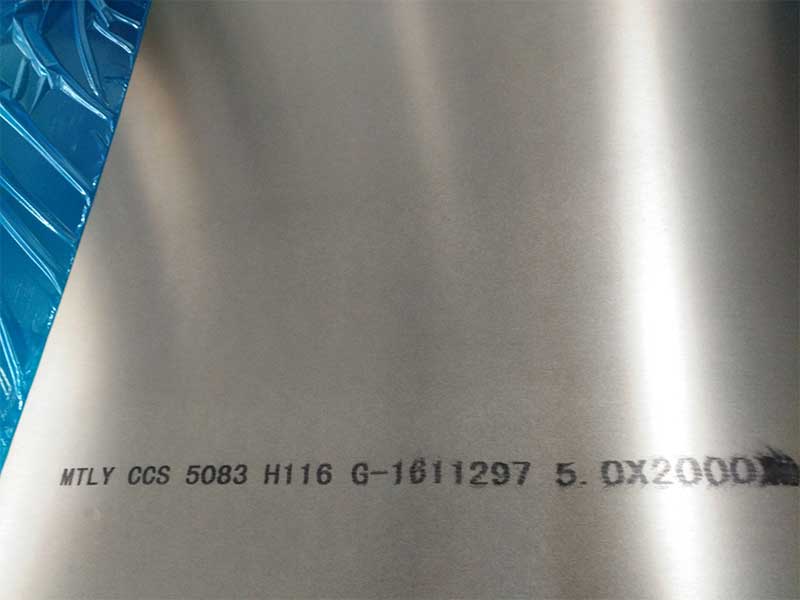

Ceres Positive CTP platethermal plate 510*400*0.25mm
I like to think of the Ceres Positive CTP platethermal plate 5104000.25mm as a quiet negotiator between two demanding worlds: the digital certainty of prepress data and the stubborn physical reality of ink, paper, fountain solution, and pressroom tempo. On one side, there is clean geometry, laser timing, and raster dots that exist as math. On the other, there is heat, pressure, chemistry, and the daily question every printer asks-will this job run stable from the first sheet to the last?
This plate earns its place not by being dramatic, but by being predictable. Its "positive" CTP character is not merely a label; it describes the way the coating responds to imaging and processing so that the image area and non-image area separate cleanly with good contrast. And the specific format-510 × 400 mm at 0.25 mm thickness-is not an arbitrary rectangle either. It sits in a practical sweet spot for short-to-medium run commercial work, proofing environments, training presses, and compact offset equipment where plate handling needs to be quick and storage needs to be efficient.
The plate as a thermal conversation
Thermal CTP plates are often discussed as if the laser is the hero. In practice, the laser is only one voice in a conversation. The other voices are the coating chemistry, the anodized aluminum's microstructure, the developer's strength and cleanliness, and the press conditions that follow. The "Ceres" plate, in this sense, is designed to keep that conversation calm. Thermal imaging typically operates around the 830 nm wavelength region, where the coating absorbs energy and undergoes a controlled change in solubility. In a positive-working thermal system, the exposed areas are intended to be removed during development, revealing the hydrophilic substrate that resists ink.
That is the fundamental promise: clean removal where the laser touched, robust image where it did not, and a stable boundary between the two. When a plate achieves that boundary consistently, the print operator stops fighting scumming and toning, and starts focusing on color and registration-where their experience actually adds value.
Why 0.25 mm matters more than it sounds
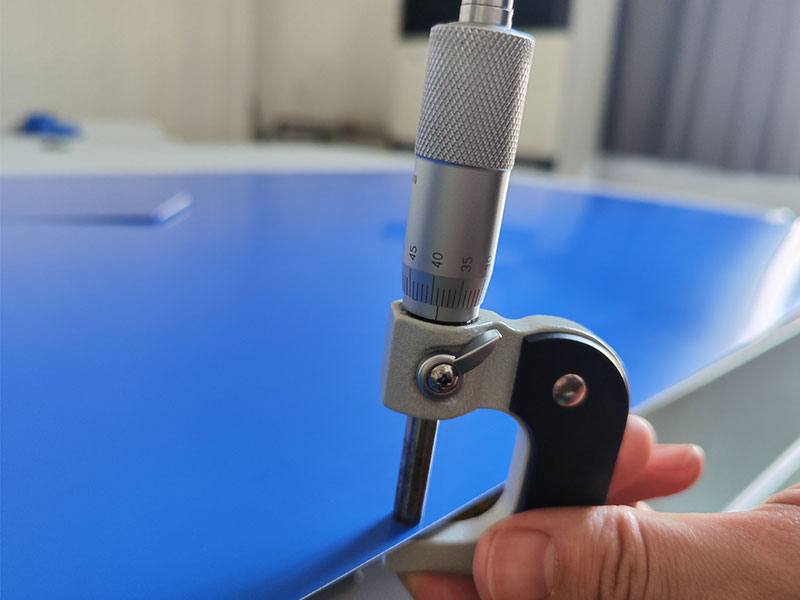
Thickness affects more than stiffness. A 0.25 mm plate bends readily enough for fast mounting, yet retains sufficient dimensional stability for accurate registration when the press is well maintained. It also influences heat exchange and mechanical behavior under clamping and cylinder pressure. In smaller or lighter-duty presses, 0.25 mm can reduce mounting effort and help operators avoid micro-kinks that show up later as banding or local water/ink imbalance.
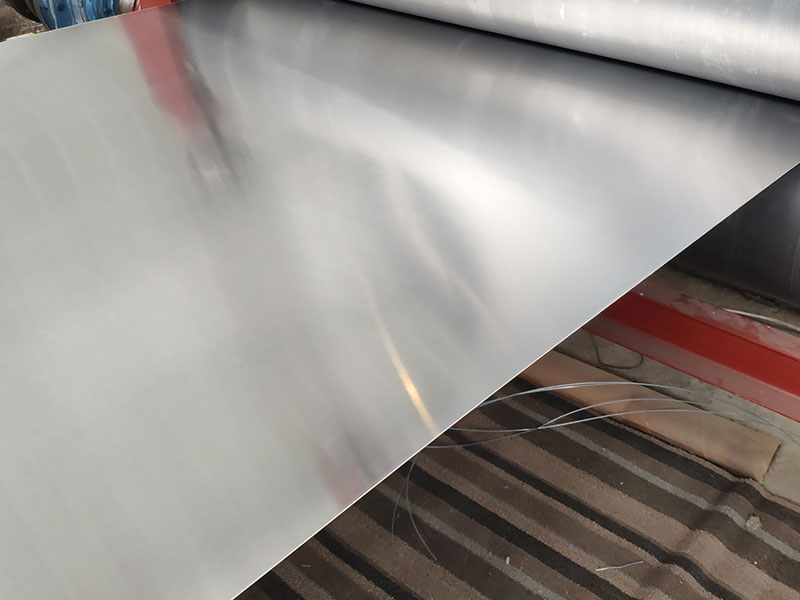
At this thickness, aluminum quality and temper selection become especially important. A plate that is too soft can distort; a plate that is too hard may crack at bends or develop handling scratches more easily. Good plate stock balances flatness, tensile properties, and grain structure so that the coating layer is supported uniformly.
Aluminum substrate: the hidden foundation
A CTP plate is usually judged by imaging latitude and press life, but those outcomes are anchored in the aluminum base. For thermal plates, the substrate is typically electrochemically grained and anodized to create a porous oxide layer. That layer holds water in the non-image areas and provides mechanical anchoring for the photosensitive coating.
In many industrial supply chains, the substrate is based on aluminum alloy families that resemble AA1050/AA1060/AA1070 (high purity aluminum) or carefully controlled low-alloy variants used specifically for lithographic plates. Purity supports consistent anodizing and hydrophilicity; controlled trace elements help maintain strength and rolling behavior.
Below is a practical reference table representing common plate-base chemistry ranges used in plate-grade aluminum. Exact composition can vary by mill and specification, but these figures reflect widely used industrial norms.
Typical chemical composition reference for plate-grade aluminum substrate (wt.%)
| Alloy (typical) | Al (min) | Si | Fe | Cu | Mn | Mg | Zn | Ti |
|---|---|---|---|---|---|---|---|---|
| AA1050 | 99.50 | 0.25 | 0.40 | 0.05 | 0.05 | 0.05 | 0.07 | 0.05 |
| AA1060 | 99.60 | 0.25 | 0.35 | 0.05 | 0.03 | 0.03 | 0.05 | 0.03 |
| AA1070 | 99.70 | 0.20 | 0.25 | 0.04 | 0.03 | 0.03 | 0.04 | 0.03 |
These high-purity substrates are favored because they anodize uniformly, remain hydrophilic, and minimize coating interaction issues that can show up as background sensitivity.
Temper, flatness, and what "good handling" really means
Plate aluminum is commonly delivered in tempers such as H18 or proprietary equivalents, chosen to balance strength with formability. The pressroom interpretation of "good temper" is simple: it mounts without memory, it doesn't crease during punching or bending, and it doesn't warp during processing or storage.
For buyers, the practical indicators are flatness tolerance, coil-to-sheet leveling quality, and edge condition. With a 510 × 400 mm sheet, edge burr control matters because burrs are not only a safety issue; they can scratch adjacent plates in storage and introduce defects during mounting.
Implementation standards and process discipline
No plate performs well in a careless workflow. Thermal positive CTP plates reward discipline because their strength is consistency.
Commonly referenced quality and process frameworks in this field include ISO 12635 for graphic technology plate specifications and ISO 3664 for viewing conditions during proofing and evaluation. While not every shop audits against these formally, aligning internal checks with these standards improves repeatability.
In daily production, the most important "standard" is stable processing. Developer activity drifts with throughput and oxidation; rinse quality changes with water hardness; gum application affects storage and short-term corrosion resistance. Even a robust plate can look unreliable if the developer is exhausted or contaminated.
Imaging and processing: keeping the plate honest
Thermal plates generally have decent imaging latitude, but they still need correct exposure energy to hit target dot reproduction. Underexposure can cause weak highlights and reduced run length; overexposure can reduce fine detail and increase the risk of processing sensitivity. The goal is to calibrate to the press condition, not merely to the platesetter's default.
Processing temperature, time, and agitation should remain steady. If your operation runs intermittent small batches, developer replenishment and filtration become more important than in high-volume continuous lines, because chemistry can age quietly between jobs.
Press performance: where "positive thermal" becomes tangible
Once mounted, the Ceres Positive CTP platethermal plate shows its value in how quickly it settles. Printers feel it as shorter make-ready, smoother water balance, and less tendency toward background toning. The anodized aluminum's hydrophilic character is the unsung hero here, while the image area's oleophilic behavior must remain tough enough to resist abrasion, solvent contact, and blanket pressure.
In practical terms, the plate should maintain dot integrity through the intended run length when the press is correctly set. If a shop regularly pushes long runs or uses aggressive inks and cleaners, plate choice should be matched to that reality rather than to a brochure claim.
Storage, handling, and the human factor
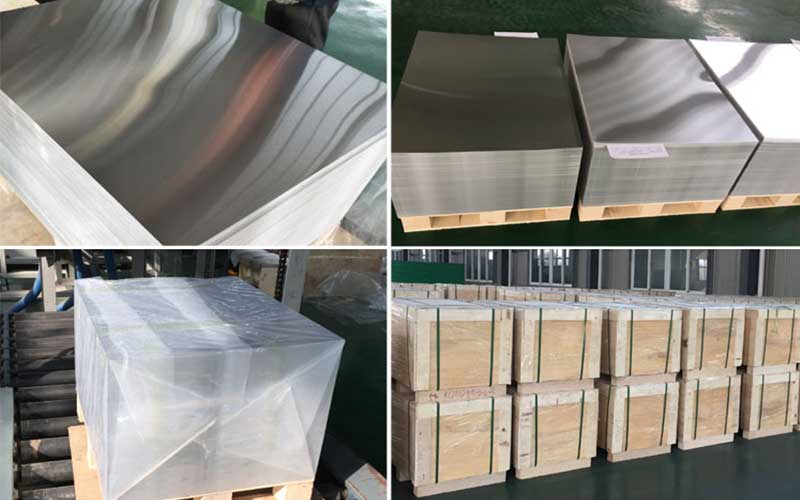
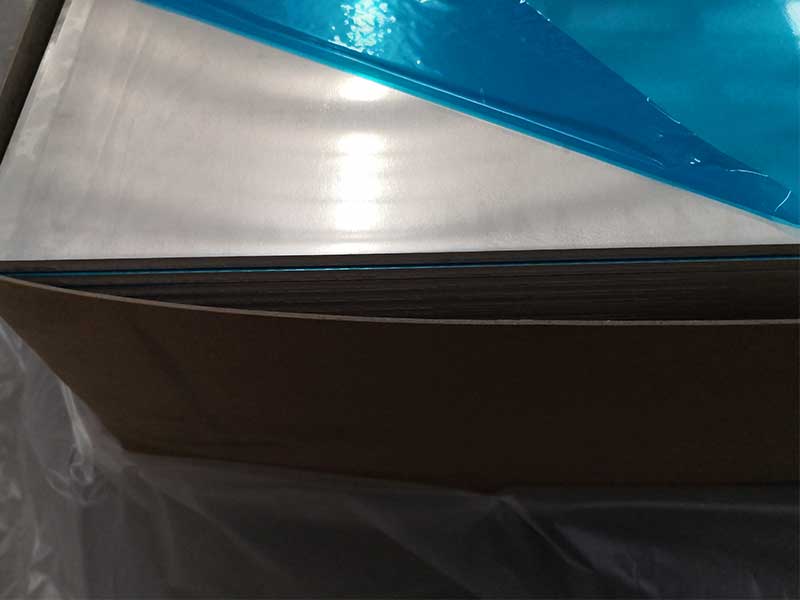
The plate is only 0.25 mm thick; treat it like a precision component, not a piece of sheet metal. Store it in stable temperature and humidity, away from direct sunlight, and keep it in its packaging until use. Fingerprints, dust, and micro-scratches tend to appear later as "mysterious" print defects, and the mystery is usually solved by better gloves, cleaner worktables, and calmer plate transport.
A plate's real job: reducing uncertainty
https://www.aluminumplate.net/a/ceres-positive-ctp-platethermal-plate-510400025mm.html