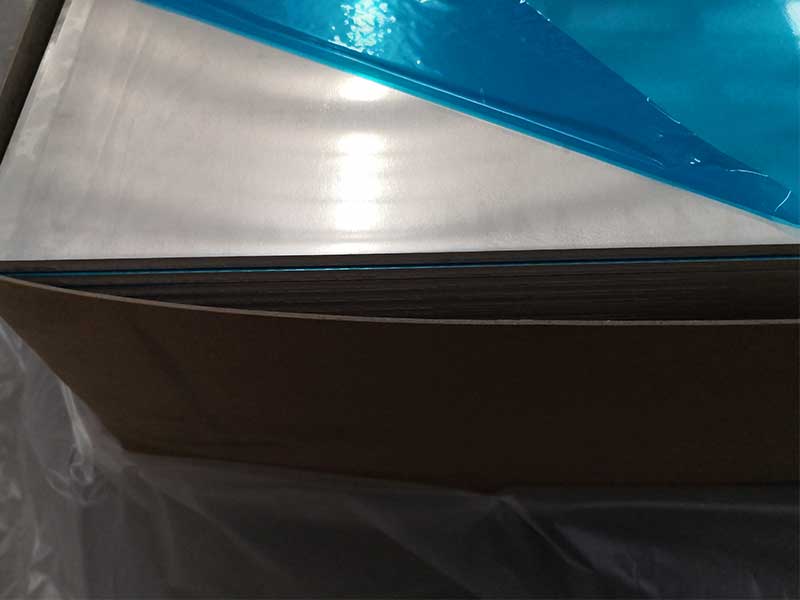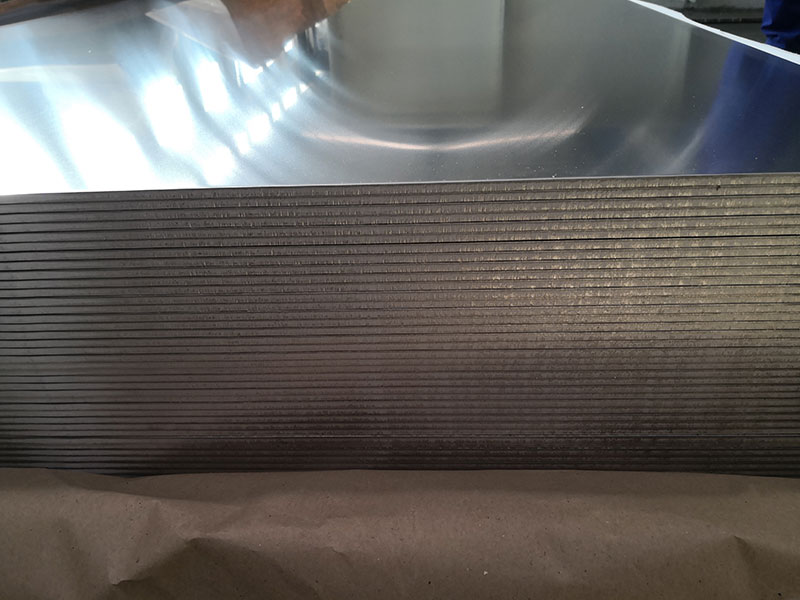

.062 Thick 7075 T651 Aluminum Sheet
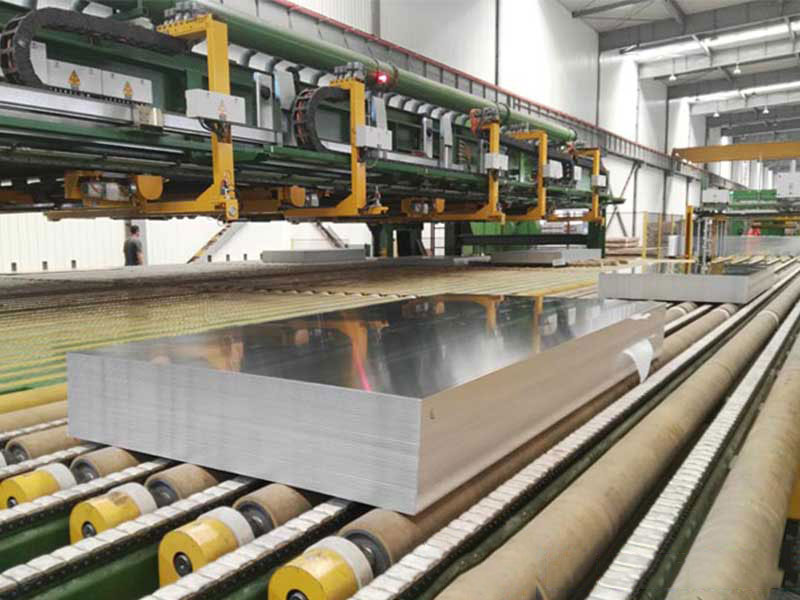
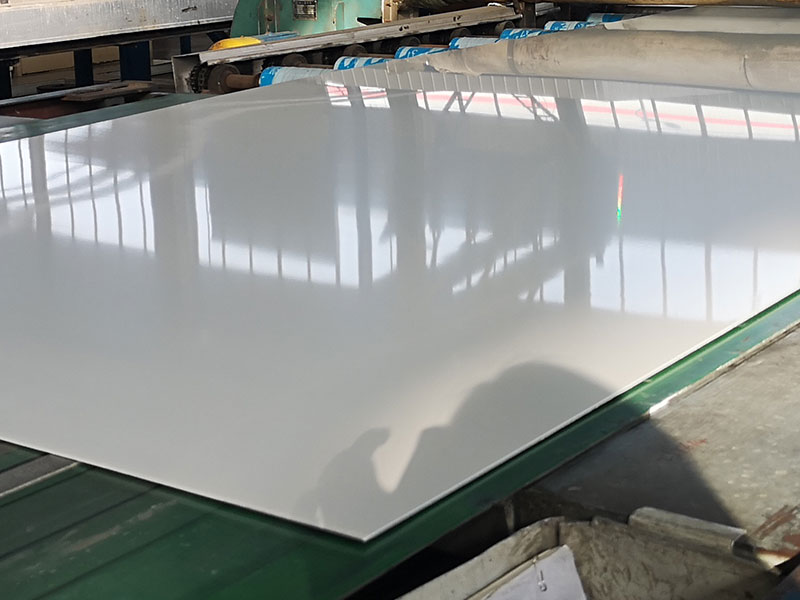
The .062" thick 7075 T651 aluminum sheet (approx. 1.6 mm) is a premium, high‑strength aerospace-grade material engineered for demanding structural applications. It delivers an excellent balance of strength, rigidity, and weight savings, making it ideal wherever performance and durability are critical.
Alloy: 7075
Temper: T651
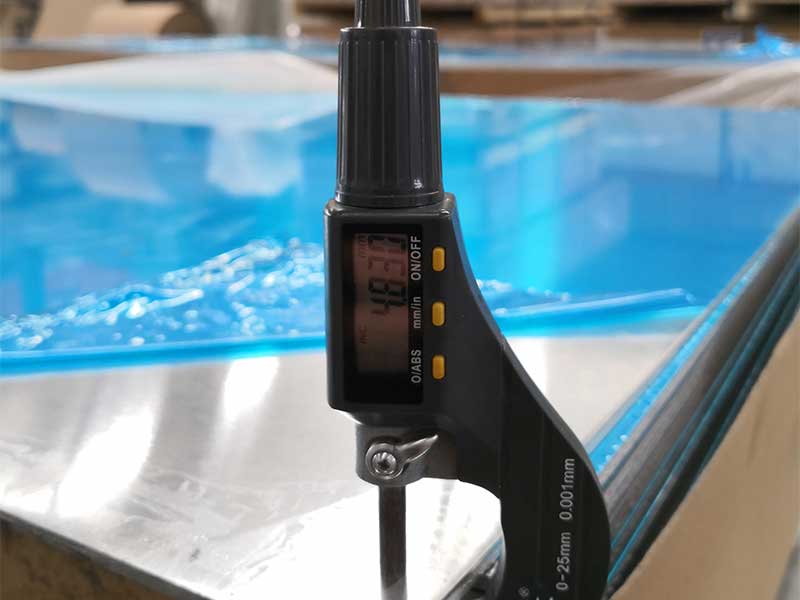
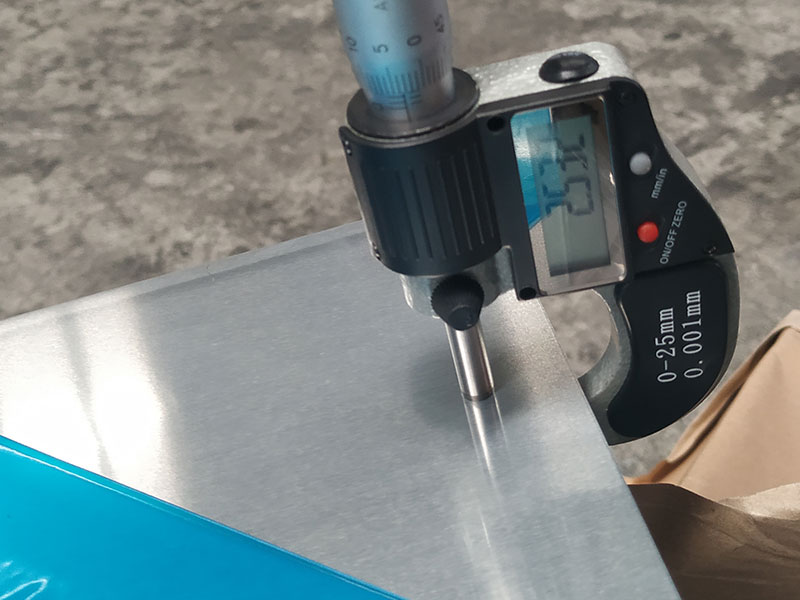
Thickness: 0.062 in (1/16", ~1.6 mm)
Form: Rolled aluminum sheet
7075 is one of the strongest commercially available aluminum alloys, widely used in aerospace, defense, motorsports, and high-performance engineering. The T651 temper indicates the material has been solution heat treated, stress‑relieved by stretching, and artificially aged, providing:
- High tensile and yield strength
- Good dimensional stability
- Reduced internal residual stresses
- Consistent mechanical performance across the sheet
2. Features & Benefits
2.1 Features
- Ultra-high strength comparable to many mild steels
- Excellent strength-to-weight ratio
- Good fatigue resistance for cyclic loading
- Moderate toughness and impact resistance
- Good machinability (better than 2xxx series, slightly below 6xxx)
- Fair resistance to wear when anodized or coated
- Controlled flatness and stability in T651 temper
2.2 Benefits for Designers & Fabricators
| Benefit | What It Means in Practice |
|---|---|
| Weight reduction | Lighter parts vs. steel while maintaining similar strength |
| Higher load capacity | Supports greater loads than 6061 or 5052 at the same thickness |
| Compact, slim designs | Thinner sections (.062") feasible without excessive deflection |
| Precision machining | Holds tight tolerances and edge quality in CNC and manual operations |
| Stable under load & temperature | Reduced warping and distortion in service and during machining |
| Performance in harsh duty | Ideal for high-G, impact, or vibration-intensive environments |
3. Chemical Composition of 7075 Alloy
The table below shows typical nominal composition values for 7075 (weight percent). Actual values may vary slightly by manufacturer and lot.
| Element | Typical Content (wt. %) |
|---|---|
| Aluminum (Al) | Balance |
| Zinc (Zn) | 5.1 – 6.1 |
| Magnesium (Mg) | 2.1 – 2.9 |
| Copper (Cu) | 1.2 – 2.0 |
| Chromium (Cr) | 0.18 – 0.28 |
| Iron (Fe) | ≤ 0.50 |
| Silicon (Si) | ≤ 0.40 |
| Manganese (Mn) | ≤ 0.30 |
| Titanium (Ti) | ≤ 0.20 |
| Other (each) | ≤ 0.05 |
| Other (total) | ≤ 0.15 |
Performance impact:
- Zinc + Magnesium: Primary strengthening system (Al-Zn-Mg-Cu).
- Copper: Further strength enhancement, but reduces corrosion resistance relative to 5xxx/6xxx alloys.
- Chromium: Helps control grain structure and improve toughness and stress-corrosion resistance.
4. Mechanical Properties (Typical, 7075-T651 Sheet)
Values may vary by producer and thickness; the following are representative for thin sheet (~0.062"):
| Property | Typical Value | Test Direction / Notes |
|---|---|---|
| Tensile Strength, Ultimate | 73 – 83 ksi (503–572 MPa) | Longitudinal |
| Tensile Strength, Yield (0.2%) | 63 – 73 ksi (434–503 MPa) | Longitudinal |
| Elongation in 2 in (50 mm) | 7 – 11 % | Longitudinal, thin sheet |
| Modulus of Elasticity | ~10.3 Msi (71 GPa) | Tension |
| Shear Strength | ~48 ksi (331 MPa) | Approximate |
| Brinell Hardness (HB) | 150 – 190 HB | 10 mm ball, 500 kg load |
| Poisson’s Ratio | ~0.33 | |
| Density | 0.101–0.102 lb/in³ (2.80 g/cm³) |
At 0.062" thickness, the high yield strength allows for stiff, high-load panels without adding unnecessary mass.
5. Technical Specifications for .062" Sheet
5.1 Dimensional Data
| Parameter | Typical Value |
|---|---|
| Thickness | 0.062 in (1/16", approx. 1.57–1.60 mm) |
| Standard Widths | 24", 36", 48" (varies by supplier) |
| Standard Lengths | 96", 120", custom cuts available |
| Thickness Tolerance* | ±0.003 in typical (check mill spec) |
| Flatness | Controlled; meets sheet flatness standards for T651 |
*Always verify with supplier or mill cert for exact tolerances.
5.2 Physical & Thermal Properties
| Property | Typical Value |
|---|---|
| Melting Range | 477–635 °C (890–1175 °F) |
| Coefficient of Expansion | 23.6 µm/m·°C (20–100 °C) |
| Thermal Conductivity | ~130–150 W/m·K |
| Electrical Conductivity | ~33–40 % IACS |
| Specific Heat Capacity | ~0.96 kJ/kg·K |
6. Performance Characteristics
6.1 Strength-to-Weight Advantage
Compared with common structural materials:
| Material | Approx. Density (g/cm³) | Typical Yield Strength (MPa) | Strength/Weight (MPa/(g/cm³)) |
|---|---|---|---|
| 7075-T651 | 2.8 | ~480 | ~171 |
| 6061-T6 | 2.7 | ~275 | ~102 |
| Mild steel (A36) | 7.85 | ~250 | ~32 |
7075-T651 offers over 5× the strength-to-weight of mild steel and significantly more than 6061-T6, which is why it’s favored for weight-critical structures.
6.2 Corrosion & Surface Protection
- Bare 7075-T651 has moderate corrosion resistance, lower than 5xxx/6xxx series due to copper content.
- For most structural uses, surface protection is recommended:
- Anodizing (hard or decorative)
- Conversion coatings (e.g., chromate-free alternatives)
- Paint, powder coat, or sealants
When properly coated, the sheet performs very well in aerospace and outdoor environments.
6.3 Machinability, Formability, and Joining
| Characteristic | Performance Notes |
|---|---|
| Machinability | Good to very good; clean cuts and chips, suitable for CNC milling and routing |
| Formability | Limited in T651; best for gentle bends, large radii, and shallow draws |
| Bending | Not recommended for tight radii; risk of cracking; prefer bend radii ≥ 3–4× thickness |
| Welding | Poor weldability by fusion methods; mechanical fastening or bonding preferred |
| Fastening | Takes threads well; works well with bolts, rivets, and inserts |
For parts requiring sharp forming or complex bending, a softer temper (e.g., O, T3) is usually formed first and then heat-treated. For .062" T651 sheet, use bending only where conservative radii and directionally aligned grain are ensured.
7. Typical Applications of .062" 7075 T651 Sheet
Thanks to the combination of thin gauge and high strength, this sheet is used in highly engineered, lightweight structures:
7.1 Aerospace & Defense
| Application | Role of .062" 7075-T651 |
|---|---|
| Aircraft skins & doublers | High strength with minimal added weight |
| Wing ribs, stiffeners, brackets | Structural members requiring thin yet strong profiles |
| Helicopter & UAV components | Lightweight panels, mounting plates, and frames |
| Military equipment housings | Strong yet portable structural covers and panels |
7.2 Motorsports & Performance Vehicles
- Chassis and subframe brackets
- Suspension mounting plates and gussets
- Racing seat brackets and mounting rails
- Battery, fuel cell, and radiator supports
The sheet’s thickness (.062") suits applications where space is tight and every gram counts, but stiffness and load capacity must remain high.
7.3 Industrial & High-Performance Machinery
- Precision machine components and adapter plates
- High-strength tooling plates for light-duty tooling and fixtures
- Robotics and automation arms, panels, and structural members
- Drones and mechatronics structures that must endure vibration and shock
7.4 Sporting Goods & Specialty Products
- Bicycle, motorcycle, and scooter components (mounts, brackets, gussets)
- Archery, shooting sports, and outdoor gear requiring rugged yet light plates
- High-end camera rigs, stabilizers, and aerospace-inspired consumer products
8. Design Considerations for .062" 7075 T651 Sheet
When specifying or designing with this material:
- Account for anisotropy: Strength and ductility differ slightly along and across rolling direction. Place high-stress bends and loads accordingly.
- Use conservative bend radii: For .062" sheet, internal bend radii of ≥ 3–4 × thickness (0.19–0.25") are usually advisable to avoid cracking.
- Protect from corrosion: Especially in marine or salt-laden environments, use anodizing, coating, or sealants, and avoid galvanic couples with dissimilar metals where possible.
- Prefer mechanical fastening or bonding over welding: If joints must be weldable, consider 6061 or a different alloy for those specific features.
- Confirm certification: For aerospace or critical load-bearing parts, ensure material is supplied with mill test reports (MTRs) and meets relevant standards (e.g., AMS 4045, ASTM B209, or equivalent, depending on spec).
The .062 thick 7075 T651 aluminum sheet is a go-to choice when you need:
- Maximum strength in a very thin profile
- Superior strength-to-weight ratio vs. common aluminum and steel
- Dimensional stability and reliable machinability
- Proven performance in aerospace, defense, motorsports, and high-end industrial designs
By pairing high tensile strength, manageable formability, and excellent stiffness with the low density of aluminum, this sheet enables lean, lightweight designs that still meet stringent structural demands.
For engineers and fabricators working on performance-critical components, 7075 T651 at 0.062" thickness is a highly efficient solution—delivering steel-like strength at a fraction of the weight, in a format that machines cleanly and holds tight tolerances.
https://www.aluminumplate.net/a/062-thick-7075-t651-aluminum-sheet.html