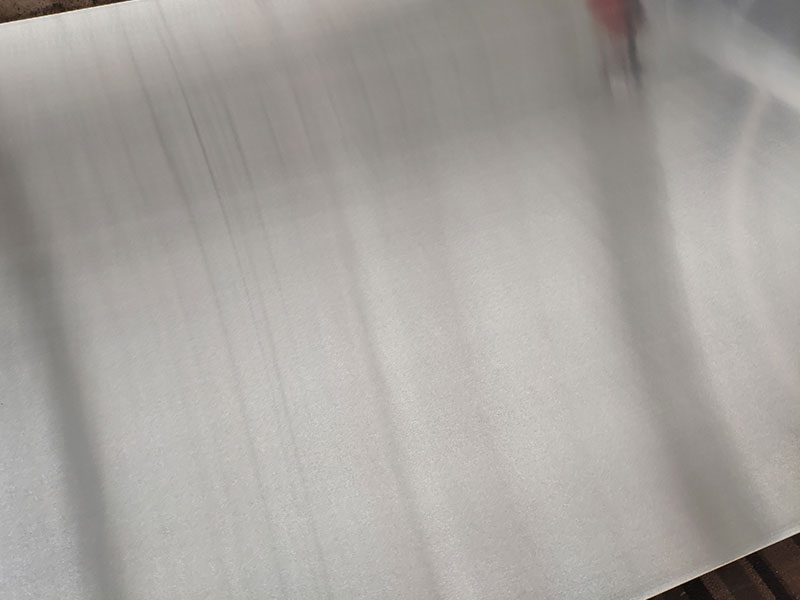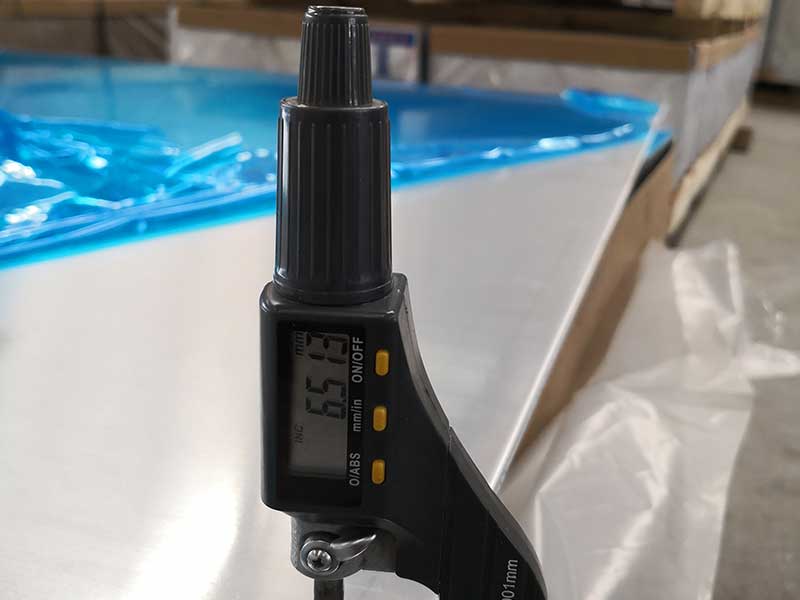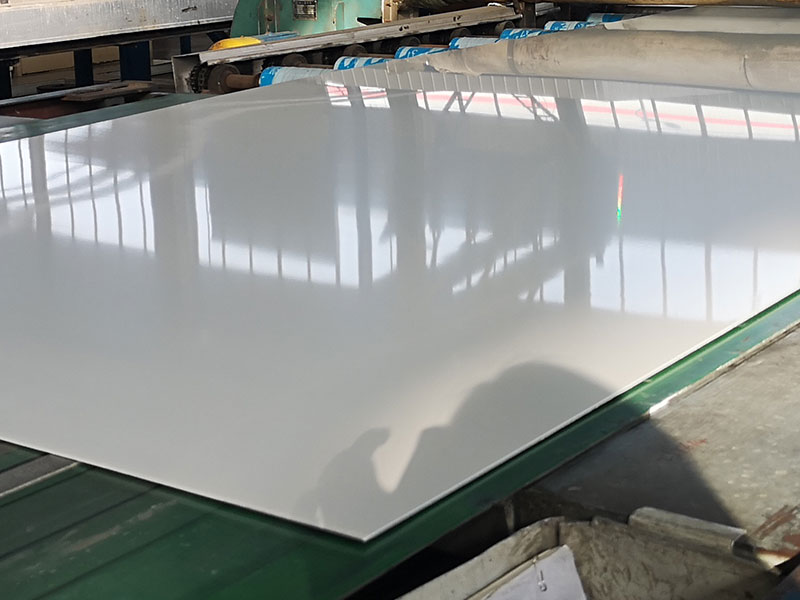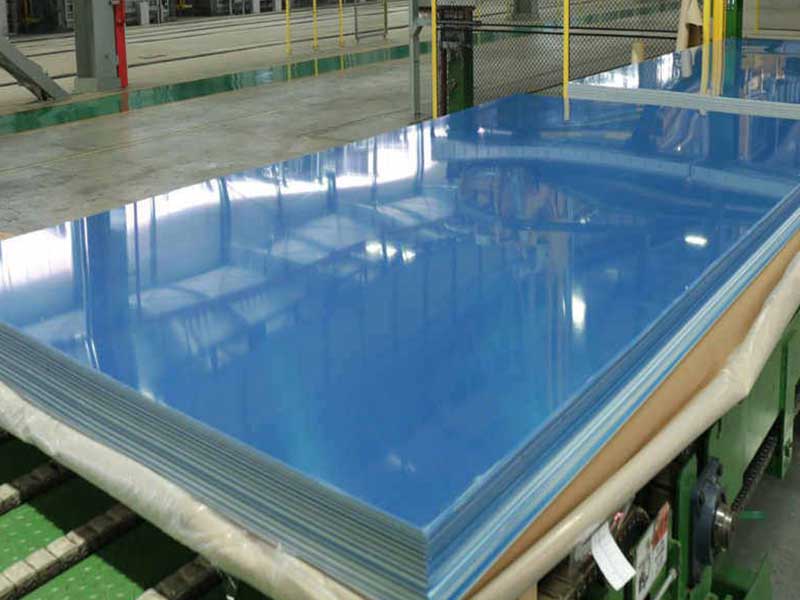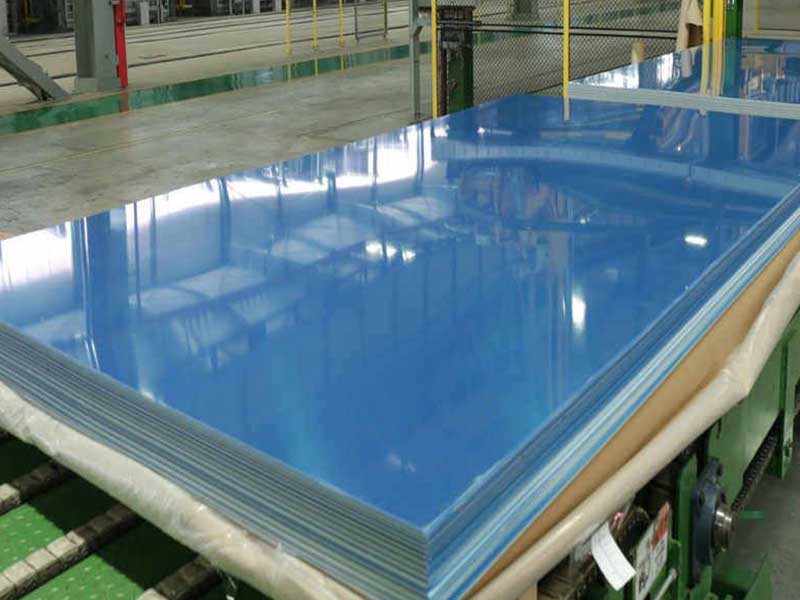

1060 3003 5052 6061 7075 aluminum sheet
High‑quality 1060, 3003, 5052, 6061, and 7075 aluminum sheet for industrial and commercial use. Discover properties, grades, chemical composition, mechanical strength, temper options, and best applications for building, transportation, marine, aerospace, packaging, and general fabrication.
1060, 3003, 5052, 6061, and 7075 represent five of the most widely used aluminum sheet alloys in modern manufacturing. Together they cover the full spectrum from ultra‑soft, highly conductive material to aerospace‑grade, high‑strength plate.
Features at a Glance
| Alloy | Series | Main Alloying Element | Strength Level | Formability | Weldability | Corrosion Resistance | Typical Use Level |
|---|---|---|---|---|---|---|---|
| 1060 | 1xxx | None (≥99.6% Al) | Very low | Excellent | Excellent | Good | Entry / basic |
| 3003 | 3xxx | Mn | Low | Excellent | Excellent | Very good | General-purpose |
| 5052 | 5xxx | Mg | Medium | Good | Very good | Excellent (marine) | Structural light |
| 6061 | 6xxx | Mg + Si | Medium–high | Moderate | Very good | Very good | Structural |
| 7075 | 7xxx | Zn + Mg + Cu | Very high | Fair | Limited | Good (needs coating) | High-performance |
Main Applications
Different industries rely on different combinations of properties. Below is a quick pairing of alloys with their typical uses.
| Alloy | Major Industries | Typical Products & Uses |
|---|---|---|
| 1060 | Electrical, chemical, food, signage | Bus bars, transformer windings, reflectors, nameplates, chemical equipment liners |
| 3003 | HVAC, food, architecture, packaging | Heat exchangers, air conditioner fins, cooking utensils, roofing sheets, insulation jacketing |
| 5052 | Marine, transportation, tanks, signage | Ship panels, fuel tanks, truck bodies, pressure vessels, road signs, toolbox panels |
| 6061 | Machinery, construction, automotive | Structural panels, machine bases, frame components, bicycle parts, load-bearing brackets |
| 7075 | Aerospace, defense, high‑end sports | Aircraft plates, wing ribs, high‑stress fittings, bicycle hubs, performance components |
Chemical Composition (Typical Ranges, wt%)
| Alloy | Si | Fe | Cu | Mn | Mg | Cr | Zn | Ti | Al (approx.) |
|---|---|---|---|---|---|---|---|---|---|
| 1060 | ≤0.25 | ≤0.35 | ≤0.05 | ≤0.03 | ≤0.03 | – | ≤0.05 | ≤0.03 | ≥99.6 |
| 3003 | ≤0.60 | ≤0.70 | ≤0.20 | 1.0–1.5 | – | – | – | – | Balance |
| 5052 | ≤0.25 | ≤0.40 | ≤0.10 | ≤0.10 | 2.2–2.8 | 0.15–0.35 | ≤0.10 | ≤0.03 | Balance |
| 6061 | 0.4–0.8 | ≤0.70 | ≤0.28 | 0.15–0.40 | 0.8–1.2 | 0.04–0.35 | ≤0.25 | ≤0.15 | Balance |
| 7075 | 0.40 max | 0.50 max | 1.2–2.0 | 0.30 max | 2.1–2.9 | 0.18–0.28 | 5.1–6.1 | 0.20 max | Balance |
Values shown are typical specification ranges; exact numbers follow relevant standards such as ASTM, EN, or GB.
Mechanical Properties by Alloy and Temper
The following table summarizes typical mechanical properties for standard sheet tempers, mainly at room temperature. Values are indicative and may vary with thickness and standard.
| Alloy | Typical Temper | Tensile Strength (MPa) | Yield Strength (MPa) | Elongation A50 (%) | Brinell Hardness (HB) |
|---|---|---|---|---|---|
| 1060 | O | 60–95 | 20–30 | 25–35 | 20–25 |
| 3003 | H14 | 130–180 | 115–160 | 5–12 | 35–50 |
| 3003 | O | 90–130 | 35–60 | 20–30 | 30–40 |
| 5052 | H32 | 215–265 | 160–215 | 7–12 | 60–70 |
| 5052 | O | 170–220 | 65–95 | 18–25 | 45–55 |
| 6061 | T6 | 260–320 | 240–280 | 8–12 | 85–95 |
| 6061 | O | 110–160 | 55–90 | 18–25 | 30–40 |
| 7075 | T6 | 510–570 | 430–480 | 6–11 | 140–160 |
| 7075 | T651 | 510–560 | 435–480 | 6–10 | 140–160 |
Thickness, Width, and Standard Dimensions
Most mills offer flexible dimensions; the following are common commercial ranges.
| Parameter | 1060 / 3003 | 5052 / 6061 | 7075 |
|---|---|---|---|
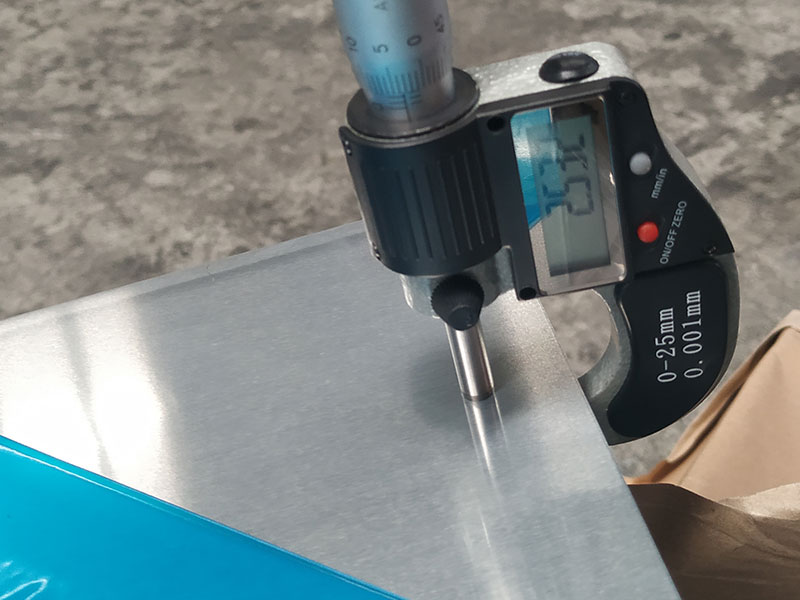
| Thickness range | 0.2–6.0 mm | 0.3–150 mm (sheet/plate) | 1.0–200 mm (mainly plate) |
| Common sheet width | 1000 / 1200 / 1250 mm | 1000–2000 mm | 1000–2000 mm |
| Typical length | 2000 / 2440 / 2500 mm | 2000–6000 mm | 2000–6000 mm |
| Tolerance | As per EN/ASTM/GB | As per EN/ASTM/GB | As per EN/ASTM/GB |
Custom cutting and coil supply (for thinner gauges) are generally available.
Temper Designations and Processing
Different alloys use different strengthening mechanisms: work hardening, solid-solution, or precipitation hardening.
| Alloy | Common Tempers | Strengthening Method | Characteristics |
|---|---|---|---|
| 1060 | O, H14, H18 | Work hardening only | Very soft to moderately hard; best for forming and deep drawing |
| 3003 | O, H14, H24 | Work hardening | Good balance of strength and formability for general applications |
| 5052 | O, H32, H34 | Work hardening | Stronger than 1xxx/3xxx; excellent corrosion resistance |
| 6061 | O, T4, T6, T651 | Precipitation hardening | Heat treatable; good strength‑to‑weight; machinable and weldable |
| 7075 | T6, T651, T73 | Precipitation hardening | Very high strength; used where weight savings are critical |
Corrosion Behavior and Surface Treatments
| Alloy | Corrosion Resistance | Typical Environment | Usual Surface Options |
|---|---|---|---|
| 1060 | Good in neutral media | Indoor, atmospheric, non‑aggressive | Mill finish, anodizing, color coating |
| 3003 | Very good | HVAC, building, mild industrial | Anodizing, painting, hydrophilic coatings |
| 5052 | Excellent, including marine | Saltwater, chemical, outdoors | Marine anodizing, powder coating, PVDF coating |
| 6061 | Very good with proper finish | Structural outdoors, automotive | Clear/colored anodizing, hard anodizing, painting |
| 7075 | Good, but less than 5xxx/6xxx | Aerospace, high‑strength parts | Hard anodizing, chromate conversion, painting |
Alloys rich in magnesium (5052) show superior marine resistance. High‑strength 7075 often requires additional protective treatments for long‑term durability.
Workability, Machinability, and Weldability
| Alloy | Formability (Bending / Deep Drawing) | Machinability | Weldability (TIG/MIG) | Notes |
|---|---|---|---|---|
| 1060 | Excellent | Fair (gummy) | Excellent | Ideal for complex folding, spinning, and embossing |
| 3003 | Excellent | Fair | Excellent | Common for stamped and rolled parts |
| 5052 | Very good | Good | Very good | Strong and formable; used widely in vehicle bodies |
| 6061 | Moderate (T6), good in O | Very good | Very good | For tight bends, O temper bending then re‑heat‑treating |
| 7075 | Fair | Excellent in T6/T651 | Limited (risk of cracking) | Often joined by mechanical fastening or special processes |
Thermal and Electrical Properties
| Alloy | Density (g/cm³) | Thermal Conductivity (W/m·K) | Electrical Conductivity (% IACS, approx.) |
|---|---|---|---|
| 1060 | 2.70 | ~235 | ~55–60 |
| 3003 | 2.73 | ~190 | ~40–45 |
| 5052 | 2.68 | ~138 | ~35–40 |
| 6061 | 2.70 | ~170 | ~40 |
| 7075 | 2.81 | ~130 | ~30–33 |
Higher purity gives 1060 excellent conductivity, making it suitable for bus bars and conductive plates, while the stronger alloys trade some conductivity for strength.
How to Choose the Right Alloy
When selecting between 1060, 3003, 5052, 6061, and 7075 aluminum sheet, consider:
- Required strength versus formability
- Service environment (indoor, outdoor, marine, chemical, aerospace)
- Joining method (welding, bolting, riveting, adhesive)
- Surface finish and appearance (anodizing quality, paint adhesion)
- Cost sensitivity and lifecycle expectations
| Requirement / Priority | Recommended Alloy(s) |
|---|---|
| Maximum electrical conductivity | 1060 |
| Deep drawing & easy forming | 1060, 3003 |
| General structural & marine use | 5052 |
| Weldable structural components | 5052, 6061 |
| High‑strength, weight‑critical | 7075 (and 6061 where weldability is needed) |
https://www.aluminumplate.net/a/1060-3003-5052-6061-7075-aluminum-sheet.html