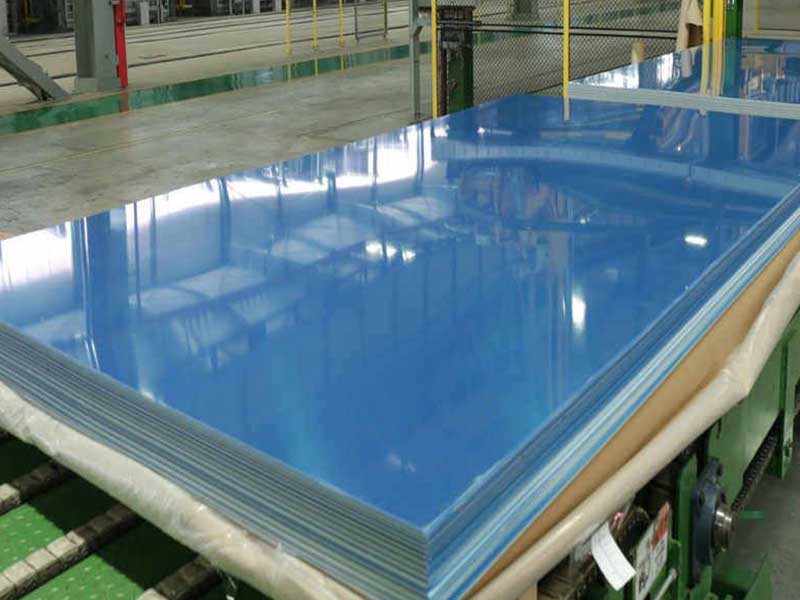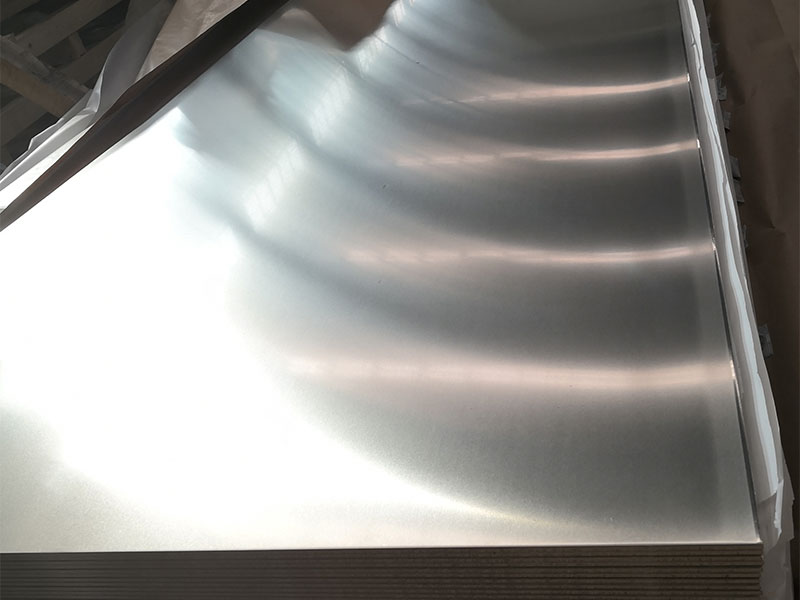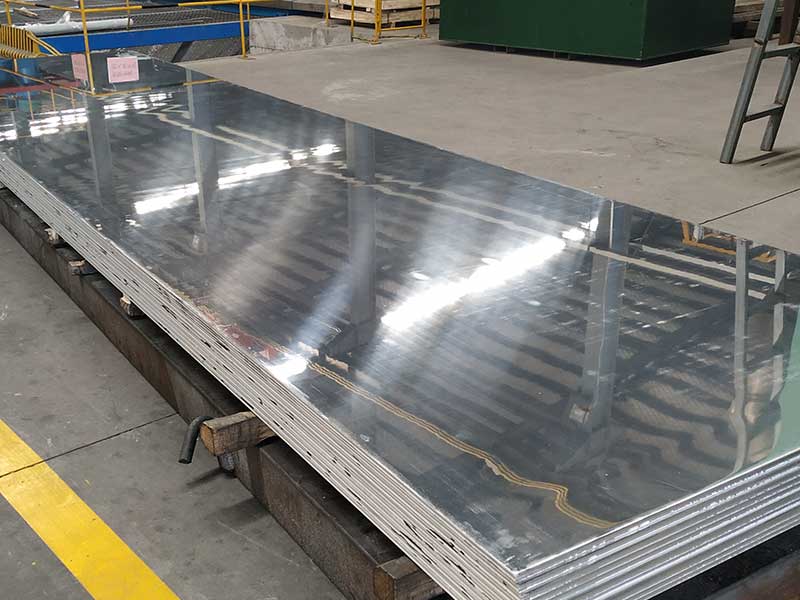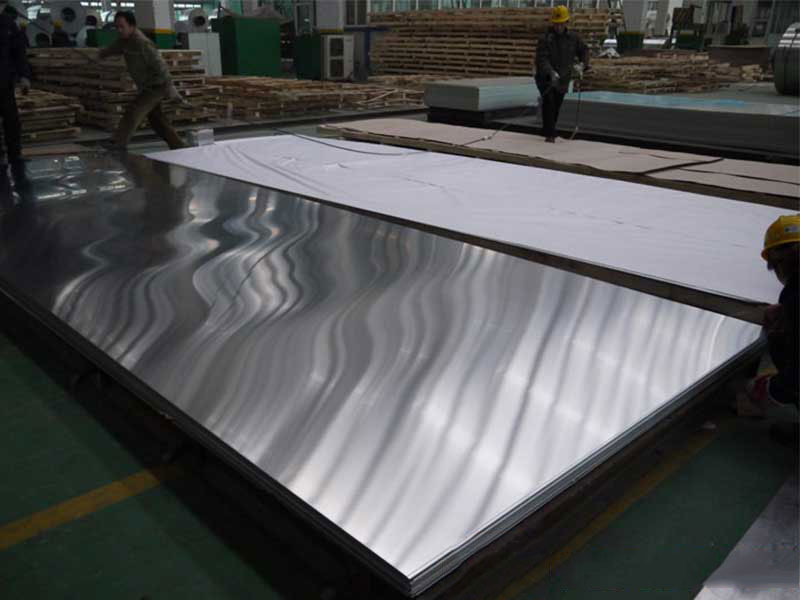

6061 t6 anodized aluminum sheet
6061 T6 anodized aluminum sheet is a premium, general-purpose wrought aluminum product engineered for high strength-to-weight performance, excellent corrosion resistance, and a durable decorative finish. Combining the proven versatility of AA 6061 with the heat-treated T6 temper and the surface protection of anodizing, it becomes an ideal material for parts that must look good, resist wear, and hold tight tolerances in real-world service.
- 6061: An Al-Mg-Si alloy known for balanced mechanical strength, formability, machinability, and corrosion resistance.
- T6 temper: Solution heat-treated and artificially aged for significantly improved strength and hardness.
- Anodized: Electrochemical conversion coating that thickens the natural oxide layer into a hard, corrosion-resistant surface, optionally dyed for color.
In short: a strong, stable sheet with a hard, protective skin suitable for demanding mechanical and aesthetic applications.
Features (Why Customers Choose It)
1) Strength with Low Mass
6061-T6 delivers structural-grade performance without the weight penalty of steel. This is central to transportation, automation, and portable equipment where every kilogram matters.
2) Corrosion Resistance That Improves with Anodizing
6061 already performs well in atmospheric environments. Anodizing further boosts resistance to oxidation, staining, and many service contaminants-especially in outdoor or humid installations.
3) Hard, Wear-Resistant Surface
Anodized oxide is significantly harder than base aluminum. This helps protect against handling damage, abrasion, and surface galling (important in panels, covers, and sliding contact areas).
4) Attractive, Consistent Finish
Clear anodizing preserves a metallic appearance; dyed anodizing provides clean, repeatable colors for consumer and architectural products. (Note: 6061 can show slight shade variation due to alloying and grain structure-good finishing control matters.)
5) Good Machinability and Fabrication Flexibility
6061-T6 machines cleanly and holds dimensions well. For fabrication, it supports sawing, CNC routing, drilling, and tapping. (For tight-radius bending, T6 is less forgiving than softer tempers-see selection notes below.)
Typical Chemical Composition (AA 6061)
Chemical composition affects anodizing response, strength, and corrosion behavior. The following is commonly referenced composition range for AA 6061.
| Element | Typical Range (wt%) |
|---|---|
| Aluminum (Al) | Balance |
| Magnesium (Mg) | 0.80 – 1.20 |
| Silicon (Si) | 0.40 – 0.80 |
| Copper (Cu) | 0.15 – 0.40 |
| Chromium (Cr) | 0.04 – 0.35 |
| Iron (Fe) | ≤ 0.70 |
| Manganese (Mn) | ≤ 0.15 |
| Zinc (Zn) | ≤ 0.25 |
| Titanium (Ti) | ≤ 0.15 |
| Others (each) | ≤ 0.05 |
| Others (total) | ≤ 0.15 |
Why it matters: Mg + Si form Mg₂Si strengthening precipitates (to T6 properties). Minor Cu increases strength but can slightly affect corrosion behavior-anodizing helps offset this in many environments.
Mechanical Properties (6061-T6, Typical)
Actual values vary by product form, thickness, and applicable standard, but these are widely used expectations for 6061-T6.
| Property | Typical Value |
|---|---|
| Ultimate tensile strength | ~290–310 MPa |
| Yield strength (0.2% offset) | ~240–275 MPa |
| Elongation | ~8–12% |
| Brinell hardness | ~90–95 HB |
| Elastic modulus | ~69 GPa |
| Density | ~2.70 g/cm³ |
| Thermal conductivity | ~167 W/m·K |
| Electrical conductivity | ~40% IACS |
Customer takeaway: 6061-T6 provides a strong, stiff platform that still remains lightweight and thermally conductive-ideal for housings, plates, brackets, and heat-spreading panels.
Anodizing Performance and Options
Anodizing turns the surface into aluminum oxide (Al₂O₃). The coating is integrated with the substrate (not paint), so it will not peel-though it can crack if the sheet is severely deformed after anodizing.
Common Anodizing Types (Practical Selection)
| Anodize Type | Typical Thickness | Benefit | Typical Use |
|---|---|---|---|
| Type II (decorative) | ~5–25 µm | Good corrosion + appearance, dyeable | Consumer panels, enclosures |
| Type III (hard anodize) | ~25–75+ µm | High wear resistance, higher hardness | Sliding parts, fixtures, high-touch wear areas |
Finish Notes for 6061
| Topic | Practical Guidance |
|---|---|
| Color match consistency | Expect slight tone variation vs. 5000/1000 series; use controlled batches for visible assemblies |
| Masking/tolerances | Anodize adds thickness (half grows inward, half outward); account for fits on precision bores/slots |
| Adhesion | Excellent because it's a conversion layer; best durability vs. many coatings |
Technical Specifications (Typical Supply Range)
Availability depends on mill, region, and finishing capability, but the following ranges are common for commercial supply.
| Specification Item | Typical Offering |
|---|---|
| Product form | Sheet / plate (cut-to-size) |
| Temper | T6 |
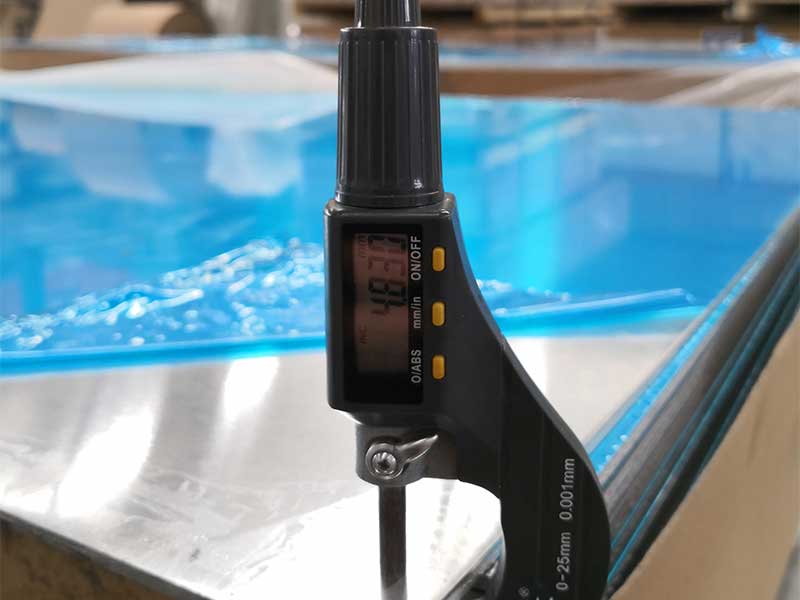
| Thickness range | ~0.5 mm to 25 mm (common stocked ranges vary) |
| Standard sheet sizes | 1000×2000 mm, 1220×2440 mm, 1250×2500 mm (others cut-to-order) |
| Flatness options | Standard mill flatness; precision tooling plate options may be available |
| Surface finish before anodize | Mill finish, brushed, polished (application dependent) |
| Anodize finish | Clear, black, color dyes; matte or satin depending on pre-finish |
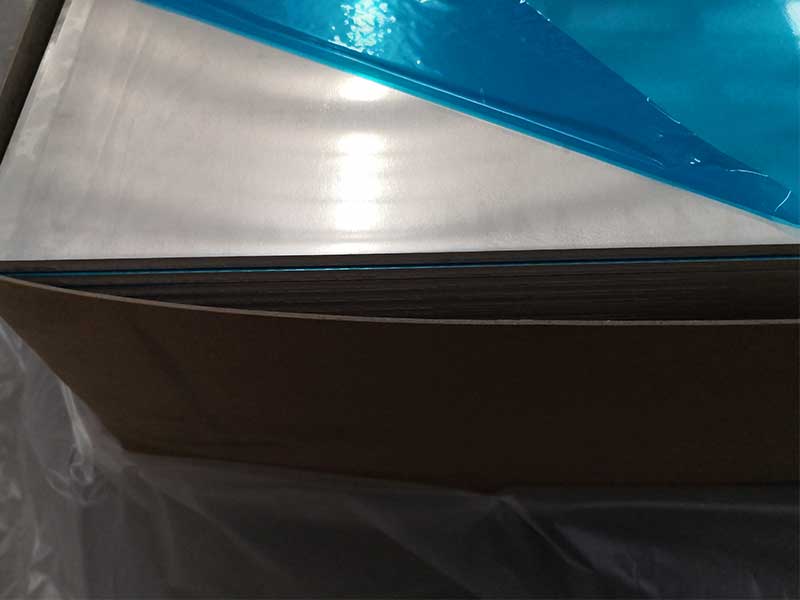
| Protective film | Optional PE/PVC film for scratch protection during fabrication |
Benefits by Application (Where It Delivers the Most Value)
Industrial Equipment & Automation
- Machine guards, brackets, sensor plates, tooling bases
- Benefits: stable, machinable, corrosion-resistant; anodize reduces scuffing and improves cleanability.
Electronics, Heat Management & Enclosures
- Chassis panels, instrument housings, heat-spreading backplates
- Benefits: thermal conductivity + electrical isolation on the surface (anodize is insulating), durable appearance, good EMI design compatibility with proper grounding strategy.
Transportation & Mobility
- Interior panels, structural covers, racks, marine-adjacent components
- Benefits: weight reduction, corrosion resistance; anodize resists staining and handling wear.
Architectural & Display Systems
- Trim, signage backers, decorative panels
- Benefits: premium look, color options, outdoor durability with proper sealing.
Consumer Products & Premium Hardware
- Sporting goods parts, device shells, knobs, plates
- Benefits: tactile, scratch-resistant feel; consistent finish when controlled.
Selection & Design Notes (Avoid Common Mistakes)
| Design Consideration | Recommendation |
|---|---|
| Bending after anodize | Prefer forming before anodizing; coating can craze/crack on tight bends |
| Tight-radius forming in T6 | If severe forming is required, consider forming in O/T4 then re-heat-treat + anodize (process planning required) |
| Galvanic corrosion | Avoid direct contact with carbon steel/copper in wet service; use isolation washers, coatings, or compatible fasteners |
| Threaded holes | Account for anodize growth; consider chasing threads after anodize or masking critical threads |
| Outdoor service | Specify sealed anodize and appropriate thickness; ensure edge coverage and drainage where applicable |
Why 6061-T6 Anodized Sheet Is a High-Value Choice
Customers typically choose 6061 T6 anodized aluminum sheet because it combines three important advantages in one material:
- Mechanical confidence (T6 strength and rigidity)
- Environmental durability (corrosion resistance enhanced by anodizing)
- Long-term appearance (a finish that resists wear better than paint in many use cases)
For projects where weight, finish quality, and real service durability must all be balanced-without moving to expensive specialty alloys-6061-T6 anodized sheet is one of the most practical, proven solutions available.
Quick Buying Checklist
| Question | What to Specify |
|---|---|
| Is the part cosmetic? | Pre-finish (brushed/polished), anodize type, color tolerance expectations |
| Is wear a concern? | Type III hard anodize + thickness target |
| Are there tight fits/holes? | Masking plan, dimensional allowance for coating growth |
| Is it outdoor/chemical exposure? | Sealing requirement, thickness, and environment description |
| Will you bend it? | Form before anodize; validate bend radius for T6 |
https://www.aluminumplate.net/a/6061-t6-anodized-aluminum-sheet.html