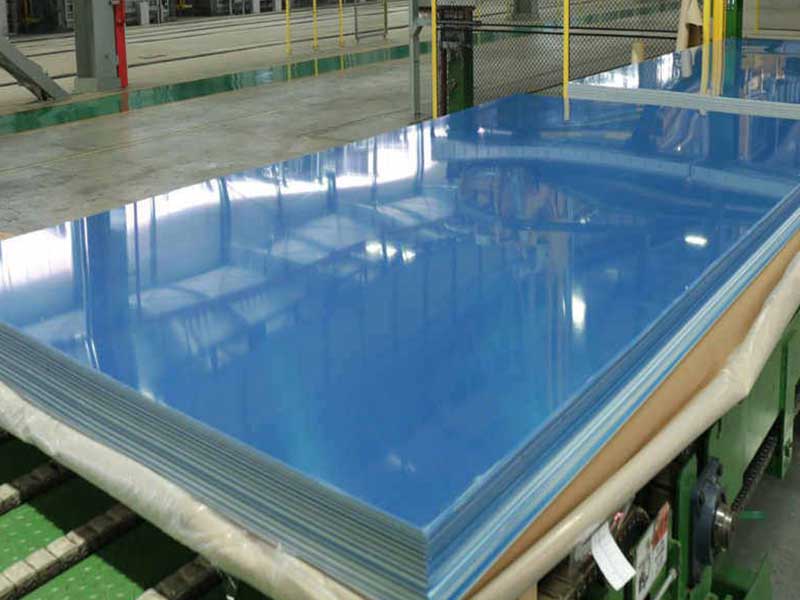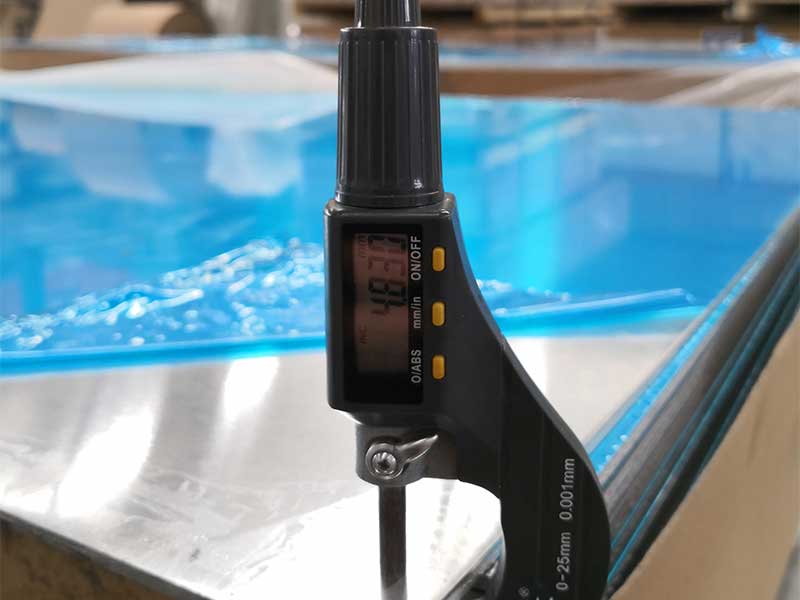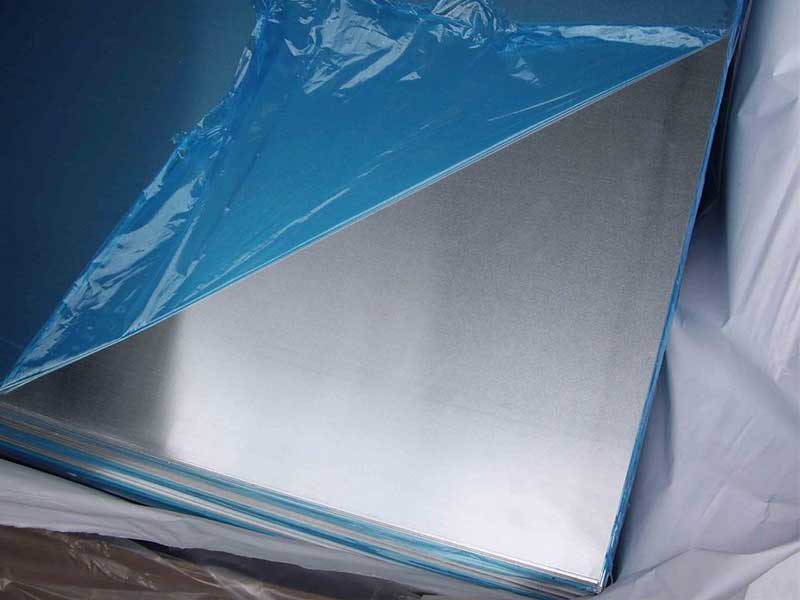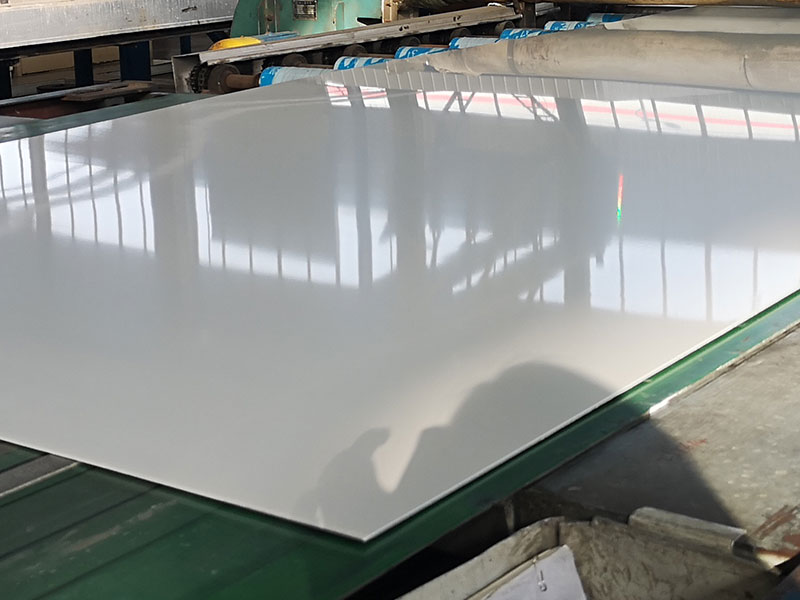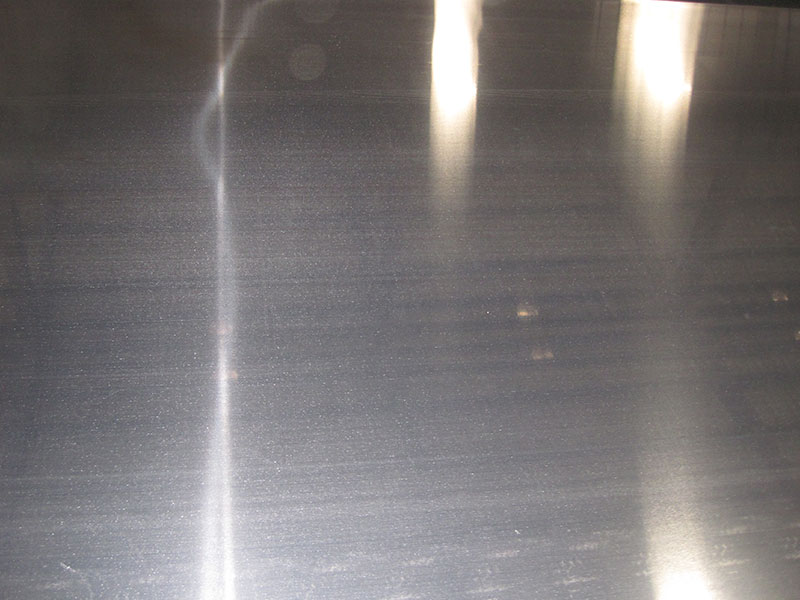

Thick aluminum plate
Thick Aluminum Plate: The "Structural Battery" of Modern Engineering
When people think of aluminum, they often imagine lightweight sheets for cladding or thin coil for packaging. Thick aluminum plate is a different personality entirely. It behaves less like a skin material and more like a load-bearing "structural battery": it stores strength, corrosion resistance, machinability, thermal conductivity, and reliability in a single solid mass. In heavy-duty engineering, thickness is not simply "more metal." It changes how heat flows during welding, how residual stresses form during machining, how cracks initiate under fatigue, and even how surface chemistry protects the core over decades.
What Counts as "Thick" Aluminum Plate?
In industrial purchasing, thick plate commonly refers to aluminum plate above about 25 mm, with many applications living in the 50–200 mm range. Some mills supply even heavier gauges depending on alloy and equipment capability.
Typical supply parameters for thick aluminum plate include:
- Thickness: 25–300 mm (common), thicker on request
- Width: up to ~2500–3500 mm depending on rolling line
- Length: up to ~6000–12000 mm depending on handling and stretcher capacity
- Flatness: controlled by stretch leveling, plate quenching practice, and stress relief
- Surface: mill finish, precision-machined, or film-protected for aerospace or tooling use
- Ultrasonic testing: often required for critical parts to verify internal soundness
The engineering point is that thicker cross-sections magnify internal temperature gradients during heat treatment and welding, which affects properties through the thickness. That's why standards, heat treatment control, and inspection become more central as thickness increases.
The Core Functions: Why Engineers Choose Thick Aluminum Plate
High specific stiffness for large parts
For large machine frames, base plates, mold plates, and robot structures, thick plate provides stiffness with less weight than steel. This matters when inertia reduction improves cycle time, energy use, and vibration control. In many cases, designers are buying "deflection control" as much as strength.
Heat conduction that acts like a thermal governor
Thick aluminum plate spreads heat quickly. This makes it useful for tooling plates, battery fixtures, semiconductor equipment, and large heat-spreading structures. Unlike thinner products, thick plate can stabilize temperature gradients, which reduces distortion in precision systems.
Corrosion resistance with reliable surface chemistry
Aluminum's natural oxide film is a self-forming barrier. For marine and chemical environments, alloy selection is critical: 5xxx series offers excellent seawater corrosion resistance, while 2xxx may require cladding or coatings but delivers high strength.
Machining behavior and dimensional stability
Thick plate is frequently machined into high-value parts. Here, the "hidden function" is stress management. Residual stress from rolling and quenching can cause parts to move after material removal. Stress-relieved tempers and tooling plate products are designed to machine flat and stay flat.
Alloys and Tempers: Programming the Plate
Think of alloy + temper as the "software" that determines how a thick plate behaves in service.
6xxx series (e.g., 6061, 6082): the balanced workhorse
6061-T6/T651 is widely used for structural parts, jigs, fixtures, and general machining. It welds well, resists corrosion, and offers stable properties for many thicknesses. T651 indicates solution heat treated, quenched, stretched to relieve stress, then artificially aged-often preferred for machining.
5xxx series (e.g., 5083, 5456): marine and cryogenic reliability
5083-H116/H321 is a classic for shipbuilding, offshore platforms, and LNG/cryogenic service because it retains strength at low temperature and resists seawater corrosion. These are strain-hardened tempers rather than precipitation-hardened.
2xxx series (e.g., 2024): fatigue and aerospace heritage
2024-T351/T851 is valued for fatigue resistance and high strength-to-weight, used in aerospace structures. It is less corrosion resistant than 5xxx/6xxx and often requires protective finishes or cladding depending on environment.
7xxx series (e.g., 7075): maximum strength for critical parts
7075-T651 is chosen when strength is paramount-aircraft fittings, high-performance tooling, and structural components. Corrosion and stress corrosion cracking considerations become more important, so temper selection and design practices matter.
Implementation Standards That Customers Actually Benefit From
Standards are not paperwork; they are risk control. Thick plate performance depends on composition limits, heat treatment practices, testing rules, and dimensional tolerances.
Common reference standards include:
- ASTM B209 for aluminum and aluminum-alloy sheet and plate
- EN 485 series for European dimensional tolerances and mechanical properties
- EN 573 for chemical composition in Europe
- AMS specifications for aerospace-grade requirements (often stricter on testing and traceability)
- GB/T standards for China-market supply and inspection practices
For critical thick plate, buyers often add requirements such as ultrasonic testing acceptance criteria, grain control, or through-thickness properties-especially for thick-section aerospace and tooling plate.
Typical Mechanical Property Ranges (Quick Reference)
Actual values depend on thickness and mill practice. The ranges below are commonly seen, for orientation:
- 6061-T6/T651: tensile strength ~290–320 MPa, yield ~240–280 MPa, elongation ~8–12%
- 5083-H116: tensile strength ~300–350 MPa, yield ~215–260 MPa, elongation often ~10–16%
- 2024-T351: tensile strength ~430–470 MPa, yield ~280–330 MPa
- 7075-T651: tensile strength ~510–570 MPa, yield ~430–500 MPa
Thickness affects these values because quenching rate and microstructure uniformity vary through the section.
Chemical Properties (Composition) Table
Below is a practical chemistry snapshot for common thick plate alloys. Values are typical specification ranges; consult the exact standard for limits by product form and thickness.
| Alloy | Si (%) | Fe (%) | Cu (%) | Mn (%) | Mg (%) | Cr (%) | Zn (%) | Ti (%) | Al |
|---|---|---|---|---|---|---|---|---|---|
| 6061 | 0.40–0.80 | ≤0.70 | 0.15–0.40 | ≤0.15 | 0.80–1.20 | 0.04–0.35 | ≤0.25 | ≤0.15 | Bal. |
| 5083 | ≤0.40 | ≤0.40 | ≤0.10 | 0.40–1.00 | 4.00–4.90 | 0.05–0.25 | ≤0.25 | ≤0.15 | Bal. |
| 2024 | ≤0.50 | ≤0.50 | 3.80–4.90 | 0.30–0.90 | 1.20–1.80 | ≤0.10 | ≤0.25 | ≤0.15 | Bal. |
| 7075 | ≤0.40 | ≤0.50 | 1.20–2.00 | ≤0.30 | 2.10–2.90 | 0.18–0.28 | 5.10–6.10 | ≤0.20 | Bal. |
A distinctive way to read this table is to view each element as a "property dial." Magnesium and silicon enable age hardening in 6xxx; magnesium drives strength and corrosion behavior in 5xxx; copper boosts strength and fatigue in 2xxx but reduces corrosion resistance; zinc plus magnesium delivers 7xxx strength but demands smarter corrosion control.
Where Thick Aluminum Plate Wins: Applications That Exploit the Mass
Aerospace and high-end transportation use thick plate for machined structural parts, fittings, and load paths where forging isn't economical. Tooling and mold industries use precision tooling plate for stable machining and flatness retention. Marine and offshore sectors depend on 5083 for hull structures, deck plates, and superstructures where corrosion resistance is non-negotiable. Energy and electronics apply thick plate as heat spreaders, base plates, and equipment frames where thermal stability meets mechanical integrity. Industrial automation and robotics increasingly adopt thick 6061 plate to reduce moving mass and improve system responsiveness.
Buying Thick Aluminum Plate Smarter
Customers get the best value when they specify more than thickness and alloy. The practical performance levers are temper, stress relief condition, inspection level, and flatness tolerances. If a part will be heavily machined, T651 or stress-relieved tooling plate can prevent expensive rework. If the environment is saltwater, 5083-H116 or similar marine temper may outperform higher-strength options over the lifecycle. If the part is aerospace-critical, standards, traceability, and ultrasonic requirements are part of the product-not add-ons.
Thick aluminum plate is not simply "thicker." It is a platform material: engineered in the mill, proven in inspection, and realized in machining and service. When selected with intent, it delivers strength without weight, stability without bulk, and durability without drama.