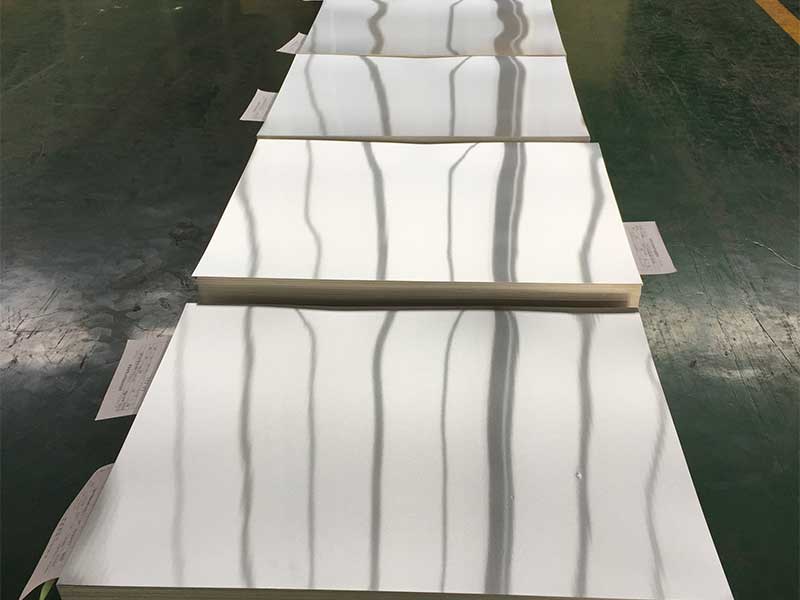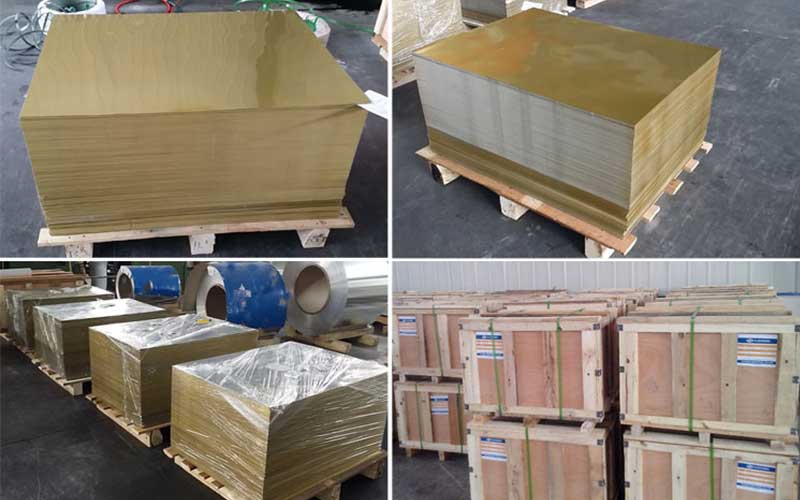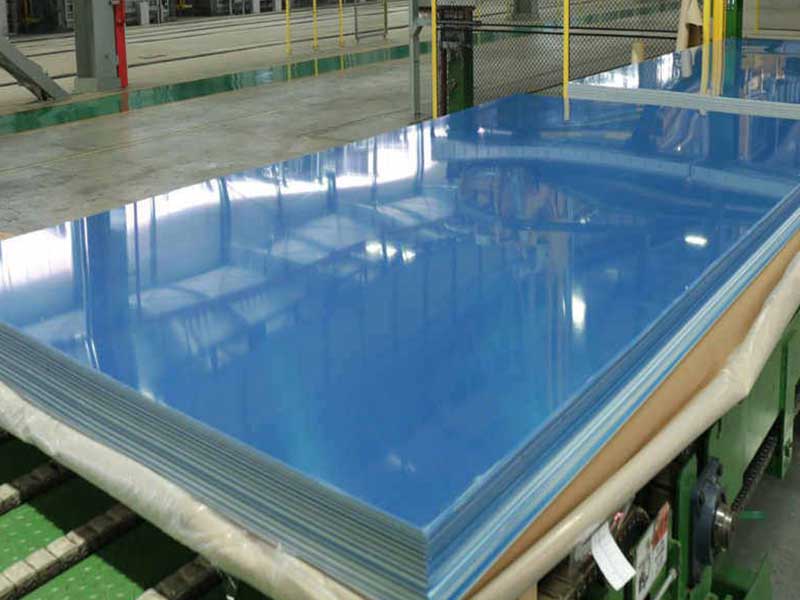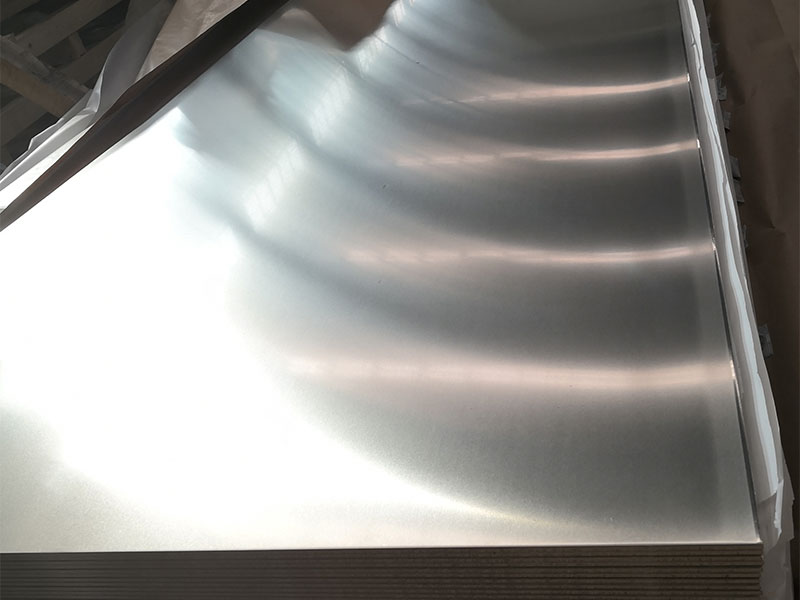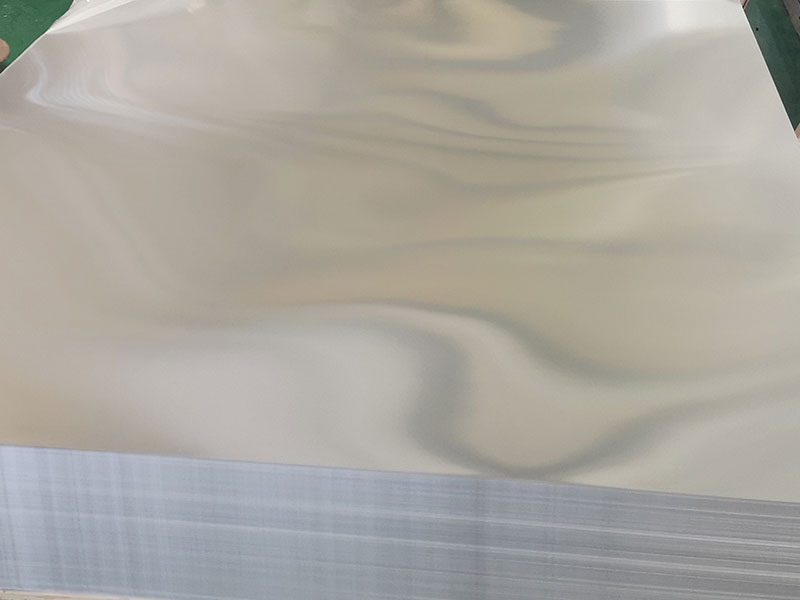

Aluminum sheet 1100 1050 1060 3003 5052 8011
When buyers search for aluminum sheet 1100 1050 1060 3003 5052 8011, they are often comparing prices, thickness, or temper. But a more useful way to understand these alloys is to look at them by what they are designed to do. Some are made to conduct heat and electricity efficiently. Some are chosen because they form easily into lids, signs, cookware, or deep-drawn parts. Others are preferred for corrosion resistance, moderate strength, or packaging performance.
From this practical viewpoint, these six aluminum sheet alloys are not simply different numbers. They are six material answers to six different industrial needs.
A Functional View of Common Aluminum Sheet Alloys
The 1000 series, including 1100, 1050, and 1060 aluminum sheet, is known for very high aluminum content, excellent corrosion resistance, strong thermal conductivity, and easy fabrication. These grades are ideal when purity, softness, reflectivity, and formability matter more than structural strength.
3003 aluminum sheet adds manganese, giving it better strength than pure aluminum while still keeping good workability and corrosion resistance. It is one of the most widely used general-purpose aluminum sheets in industry.
5052 aluminum sheet contains magnesium and stands out for stronger mechanical performance, especially in environments where moisture, salt, or chemicals are present. It is a favorite in marine, transportation, tank, and enclosure applications.
8011 aluminum sheet is often associated with packaging, closures, household foil products, and applications requiring excellent barrier properties, stamping performance, and surface quality. In sheet form, it is also used for caps, panels, and insulation-related products.
What Each Alloy Does Best
1100 aluminum sheet is often selected for applications that require excellent ductility and good resistance to atmospheric corrosion. It performs well in chemical handling equipment, decorative trim, nameplates, heat exchangers, and food industry components. Its strength is relatively low, but its ability to be shaped, spun, welded, and polished makes it commercially valuable.
1050 aluminum sheet is appreciated for its very high purity and excellent electrical and thermal conductivity. It is frequently used in reflectors, lighting components, cable sheathing, chemical containers, and heat transfer systems. In industries where conductivity and lightweight design are more important than load-bearing strength, 1050 remains a practical option.
1060 aluminum sheet is similar in character to 1050 but is often chosen when manufacturers want a balance of purity, processability, and stable supply for large-volume production. It is commonly used in busbars, battery soft connections, signage, lamp materials, and insulation jacketing. Its high elongation and good forming behavior also support stamping and bending applications.
3003 aluminum sheet fills the gap between softness and utility. It is widely used in roofing sheets, cooking utensils, storage tanks, curtain walls, heat insulation panels, and general sheet metal work. For many customers, 3003 is the alloy that offers a dependable mix of corrosion resistance, moderate strength, and affordable processing.
5052 aluminum sheet is the practical choice where stronger sheet is required without sacrificing too much formability. It is heavily used in fuel tanks, pressure vessels, marine panels, truck bodies, cabinets, electronics housings, and machine covers. Because it resists saltwater and industrial corrosion well, it is often chosen for harsh service environments.
8011 aluminum sheet is particularly useful where surface cleanliness, formability, and barrier performance are important. It is common in bottle caps, pharmaceutical packaging materials, food container stock, cosmetic closures, cable foil, and thermal insulation facing. In some markets, 8011 is valued because it works efficiently in rolling, embossing, and coating processes.
Alloy Temper and Why It Changes Performance
One of the most misunderstood factors in aluminum sheet purchasing is temper. The same alloy can behave very differently depending on whether it is supplied in O, H12, H14, H16, H18, H22, H24, H32, or other tempers.
O temper means annealed. The sheet is soft, highly formable, and suitable for deep drawing or complex bending. This is often preferred for 1100, 1050, 1060, and some 3003 applications.
H tempers indicate strain hardening.
H14 is a common half-hard temper, balancing formability and strength.
H24 means strain-hardened and partially annealed, often used where moderate strength and controlled forming are both needed.
H32, common for 5052 aluminum sheet, offers good strength with reliable workability and is widely used in tanks, enclosures, and marine structures.
For customers, this means selecting the right alloy alone is not enough. A soft 1060-O sheet and a harder 3003-H14 sheet may behave completely differently in stamping, bending, or final service life.
Typical Parameters of Aluminum Sheet 1100 1050 1060 3003 5052 8011
Common production ranges vary by mill, but the market generally offers these approximate dimensions:
| Alloy | Typical Thickness | Typical Width | Typical Length | Common Tempers |
|---|---|---|---|---|
| 1100 | 0.2–6.0 mm | 20–2000 mm | Coil or cut-to-length | O, H12, H14, H18 |
| 1050 | 0.2–6.0 mm | 20–2000 mm | Coil or sheet | O, H14, H24 |
| 1060 | 0.2–10.0 mm | 20–2200 mm | Coil or sheet | O, H12, H14, H18 |
| 3003 | 0.3–8.0 mm | 20–2200 mm | Coil or sheet | O, H14, H24 |
| 5052 | 0.5–20 mm | 20–2650 mm | Sheet or plate | O, H32, H34, H112 |
| 8011 | 0.15–6.0 mm | 20–1800 mm | Coil or sheet | O, H14, H18, H24 |
Exact size tolerance depends on thickness, width, flatness, and applicable standard.
Implementation Standards Commonly Used
In international trade, aluminum sheet products are usually manufactured according to widely accepted standards such as:
- ASTM B209 for aluminum and aluminum-alloy sheet and plate
- EN 485 for wrought aluminum and aluminum alloy sheet, strip, and plate
- GB/T 3880 for aluminum and aluminum alloy plates, sheets, and strips in China
- JIS H4000 for aluminum and aluminum alloy plates, sheets, and strips in Japan
These standards help define chemical composition, mechanical properties, dimensional tolerances, and delivery conditions. For packaging and food-contact applications, buyers may also request additional surface cleanliness, oil control, or coating compatibility requirements.
Chemical Composition Table
Below is a simplified reference table of alloying elements. Exact values should be confirmed against the required standard and mill certificate.
| Alloy | Al (%) | Cu (%) | Mn (%) | Mg (%) | Si (%) | Fe (%) | Zn (%) |
|---|---|---|---|---|---|---|---|
| 1100 | ≥ 99.00 | 0.05–0.20 | - | - | ≤ 0.95 total with Fe | ≤ 0.95 total with Si | ≤ 0.10 |
| 1050 | ≥ 99.50 | ≤ 0.05 | ≤ 0.05 | ≤ 0.05 | ≤ 0.25 | ≤ 0.40 | ≤ 0.05 |
| 1060 | ≥ 99.60 | ≤ 0.05 | ≤ 0.03 | ≤ 0.03 | ≤ 0.25 | ≤ 0.35 | ≤ 0.05 |
| 3003 | Remainder | 0.05–0.20 | 1.0–1.5 | - | ≤ 0.60 | ≤ 0.70 | ≤ 0.10 |
| 5052 | Remainder | ≤ 0.10 | ≤ 0.10 | 2.2–2.8 | ≤ 0.25 | ≤ 0.40 | ≤ 0.10 |
| 8011 | Remainder | ≤ 0.10 | ≤ 0.20 | ≤ 0.10 | 0.5–0.9 | 0.6–1.0 | ≤ 0.10 |
The chemistry explains much of the performance. High-purity 1050 and 1060 provide conductivity and softness. Manganese in 3003 improves strength and workability. Magnesium in 5052 increases strength and corrosion resistance. Iron and silicon in 8011 support specific forming and packaging behaviors.
How Customers Can Choose More Efficiently
A quick way to select the right product is to start from the end use.
If the application needs high conductivity, high reflectivity, and easy forming, 1050 or 1060 aluminum sheet is often the best fit. If it requires excellent ductility for decorative, chemical, or light industrial parts, 1100 aluminum sheet performs well. If the goal is general-purpose sheet metal fabrication with better strength, 3003 aluminum sheet is usually the economical choice. If the environment is marine, humid, or mechanically demanding, 5052 aluminum sheet is the stronger and safer option. If the product is related to closures, packaging, insulation, or coated sheet applications, 8011 aluminum sheet is often the preferred material.
Final Thoughts
The real value of aluminum sheet 1100 1050 1060 3003 5052 8011 becomes clearer when viewed through function and application rather than alloy number alone. Each grade is designed around a different balance of purity, strength, formability, corrosion resistance, and processing behavior. For buyers, this perspective saves time, reduces over-specification, and improves product performance.
When sourcing aluminum sheet, it is best to confirm not only the alloy, but also temper, standard, dimensions, surface condition, and final application requirements. That is the difference between simply buying sheet metal and choosing the right engineering material for the job.
https://www.aluminumplate.net/a/aluminum-sheet-1100-1050-1060-3003-5052-8011.html