Aluminum sheet 1050 1060 1200 H14
04/17 2026
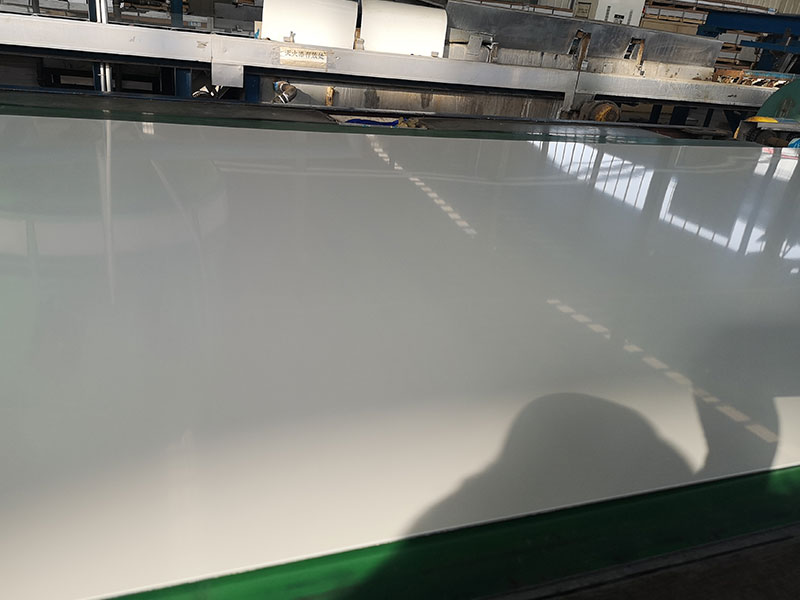
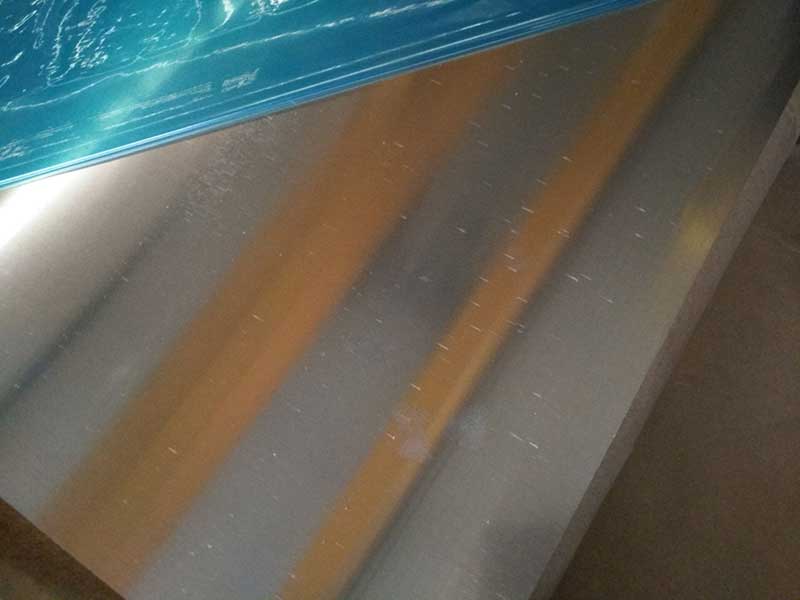
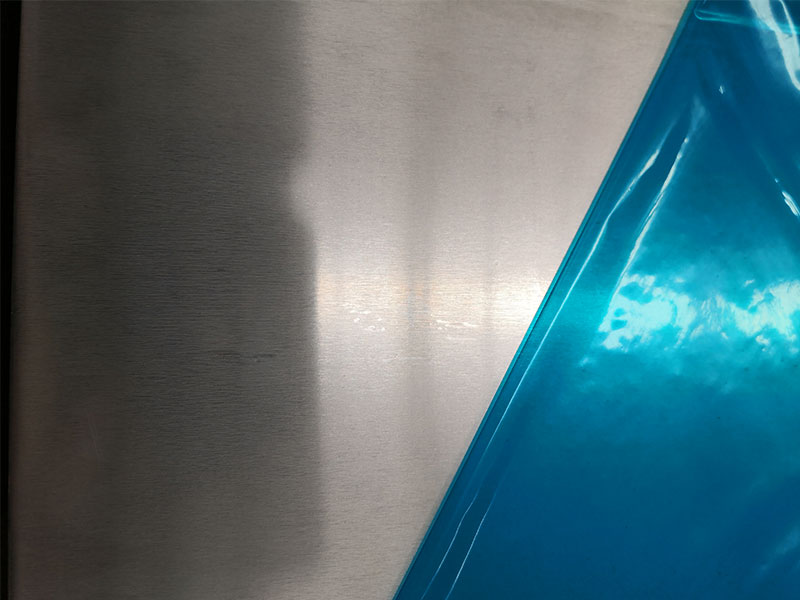
Aluminum sheet 1050 / 1060 / 1200 in H14 temper is a family of commercially pure aluminum products designed for customers who value excellent formability, high corrosion resistance, strong reflectivity, and reliable conductivity. These alloys are widely selected for general fabrication, building and decoration, lighting, signage, heat-transfer components, and deep-drawn parts where ultra-high strength is not the primary requirement.
H14 indicates a strain-hardened, half-hard condition that delivers a practical balance: stiffer and stronger than fully annealed (O temper), yet still easy to bend, roll-form, stamp, or shallow draw with predictable results.
What Makes 1050 / 1060 / 1200 H14 Stand Out
| Feature | What it means for you | Typical benefit |
|---|
| High aluminum purity | Very low alloying additions | Excellent corrosion resistance and bright appearance |
| H14 temper | Controlled work hardening | Better flatness and stiffness than soft temper |
| Very good formability | Easy to fabricate | Efficient bending, hemming, light stamping |
| High thermal conductivity | Transfers heat quickly | Suitable for heat shields, cladding, light thermal parts |
| High electrical conductivity | Low resistivity | Busbar-like light-duty conductive uses (where allowed) |
| Strong surface response | Takes coating well | Good base for anodizing/painting (appearance-focused uses) |
Typical Applications
| Industry | Common uses | Why these alloys are chosen |
|---|
| Building & decoration | Curtain wall trims, ceiling panels, interior cladding, flashings | Corrosion resistance, clean look, easy bending |
| Signage & display | Sign boards, nameplates, reflective backings | Surface brightness, printability, cost efficiency |
| Lighting | Reflectors, lamp housings | High reflectivity, good forming, stable surface |
| HVAC & insulation | Jacketing, protective covers, cladding | Lightweight, corrosion resistant, easy roll forming |
| General fabrication | Covers, panels, enclosures (non-structural) | Predictable forming and welding behavior |
| Packaging & household | Lids, caps, kitchen components | Clean surface, formability, food-contact options (per compliance) |
These three alloys are all in the 1xxx series (commercially pure aluminum). Selection is often based on purity level, conductivity targets, and procurement preference.
| Alloy | Minimum Al content (typical standard intent) | Practical takeaway |
|---|
| 1050 | ≥ 99.5% | Great all-rounder for forming and corrosion resistance |
| 1060 | ≥ 99.6% | Slightly higher purity; often chosen for conductivity/reflectivity emphasis |
| 1200 | ≥ 99.0% | Economical; widely used for general sheet applications |
Note: Exact limits depend on the governing standard and mill certification.
Temper Condition: H14 (Half-Hard)
| Temper | Condition description | Fabrication behavior |
|---|
| H14 | Strain hardened to about half-hard | Higher rigidity than O temper; still bends well with proper radius and grain direction consideration |
In production, H14 sheets are typically supplied with consistent thickness control and stable mechanical properties, making them well suited for repeatable fabrication runs.
Chemical Composition (Typical Limits, Reference Style)
Values below reflect common 1xxx-series chemistry intent. Always confirm with the mill test certificate (MTC/COA) for contract-critical projects.
| Element | 1050 (max, %) | 1060 (max, %) | 1200 (max, %) |
|---|
| Si | 0.25 | 0.25 | 0.10 |
| Fe | 0.40 | 0.35 | 1.00 |
| Cu | 0.05 | 0.05 | 0.05 |
| Mn | 0.05 | 0.03 | 0.05 |
| Mg | 0.05 | 0.03 | 0.05 |
| Zn | 0.05 | 0.05 | 0.10 |
| Ti | 0.03 | 0.03 | 0.05 |
| Al (min) | 99.50 | 99.60 | 99.00 |
Mechanical Properties (Typical for H14 Sheet)
Mechanical performance varies with thickness, processing route, and standard. The ranges below are commonly used for quick engineering reference.
| Property | Typical range (H14) | Notes |
|---|
| Tensile strength, Rm | 95–125 MPa | Higher strength than O temper; stable for forming panels |
| Yield strength, Rp0.2 | 75–105 MPa | Useful for stiffness and dent resistance |
| Elongation (A50) | 4–12% | Thinner gauges often show lower elongation |
| Brinell hardness (HBW) | 28–38 | Indicates half-hard work hardening level |
| Density | 2.71 g/cm³ | Lightweight advantage |
Physical and Functional Properties
| Property | Typical value | Why it matters |
|---|
| Thermal conductivity | ~220–235 W/m·K | Helps dissipate heat in light thermal applications |
| Electrical conductivity | ~59–62% IACS (approx.) | Suitable for conductive parts where strength demands are modest |
| Corrosion resistance | Excellent | Reliable in atmospheric exposure and many mild environments |
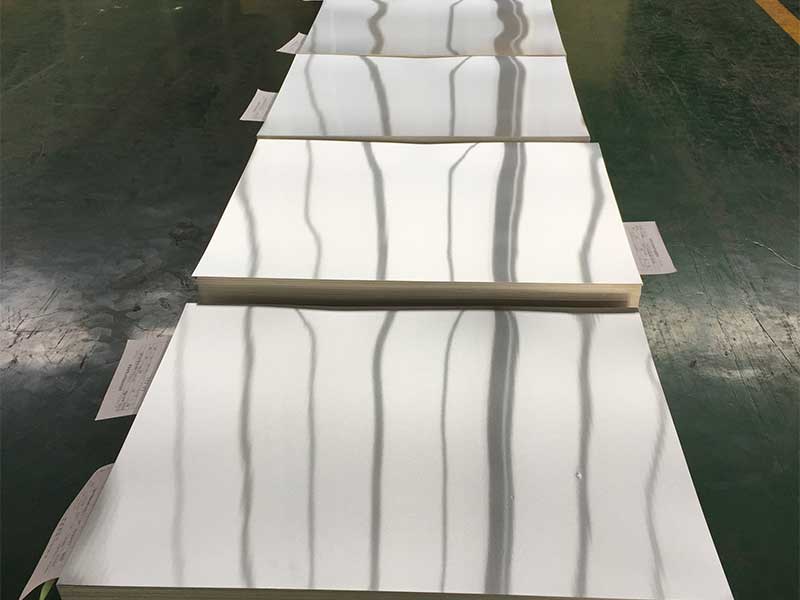
| Reflectivity | High (finish-dependent) | Preferred for lighting and decorative surfaces |
| Non-magnetic | Yes | Useful around sensors and magnetic-sensitive assemblies |
Technical Specifications (Supply Range and Options)
Actual supply ranges depend on mill capability and customer requirements. Common options are summarized below.
| Item | Typical offering |
|---|
| Product form | Aluminum sheet (flat), can be slit to strip |
| Alloy | 1050 / 1060 / 1200 |
| Temper | H14 (other tempers often available on request) |
| Thickness | 0.2–6.0 mm (typical commercial range) |
| Width | 500–2000 mm (common), custom slit widths available |
| Length | 1000–6000 mm or coil form |
| Surface finish | Mill finish, brushed, film-coated, polished (as agreed) |
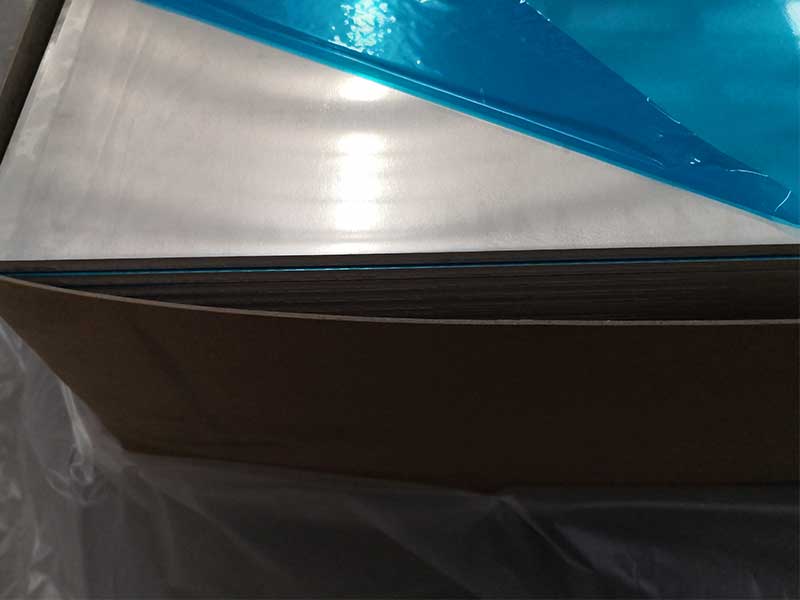
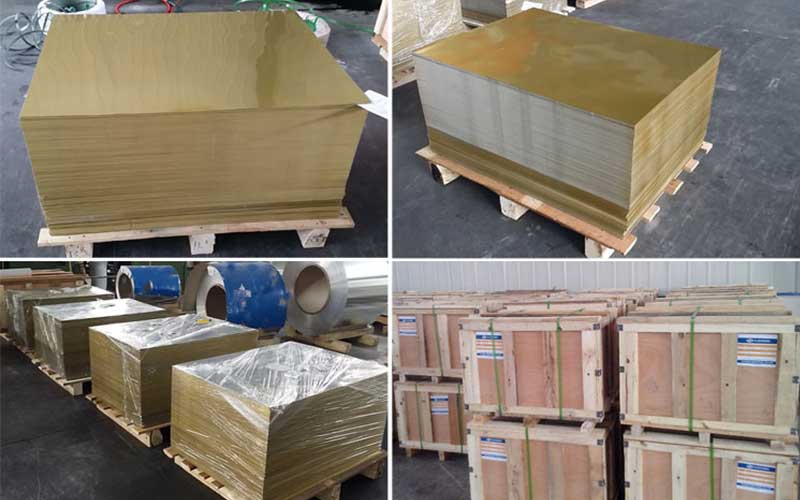
| Protective options | PE/PVC film, interleaving paper |
| Standards (common) | ASTM B209, EN 485, GB/T equivalents (per order) |
| Flatness control | Commercial / improved flatness per agreement |
| Edge | Mill edge or trimmed edge |
Forming, Joining, and Finishing Notes
| Process | Performance in 1050/1060/1200 H14 | Practical tip |
|---|
| Bending | Very good | Use appropriate inside radius; bend across grain for best results |
| Stamping | Good for light to moderate forming | For deep draw, consider softer temper (O) |
| Welding | Good (MIG/TIG) | Clean oxide and use appropriate filler; control distortion on thin sheet |
| Anodizing | Good | Purity supports clean anodized appearance; final look depends on surface prep |
| Painting / powder coating | Very good | Degrease and pretreat to improve adhesion and corrosion durability |
Why Customers Choose H14 Instead of O Temper
| Customer goal | Why H14 helps |
|---|
| Reduce oil-canning on panels | Higher rigidity improves shape stability |
| Improve handling during fabrication | Less "floppy" feel vs. annealed sheet |
| Maintain formability without going too hard | H14 stays workable for most bends and light forming |
Ordering Information (Quick RFQ Checklist)
| Parameter | What to specify |
|---|
| Alloy & temper | 1050-H14 / 1060-H14 / 1200-H14 |
| Thickness × width × length | Include tolerances if critical |
| Quantity | Sheets or coil weight, plus pack preference |
| Surface | Mill finish / brushed / film-protected |
| Standard | ASTM/EN/GB or agreed internal specification |
| Application notes | Bending direction, cosmetic side, anodizing/painting plan |
Aluminum sheet 1050 1060 1200 H14 offers a reliable combination of high purity corrosion resistance, excellent formability, strong reflectivity, and practical half-hard strength. Commonly used for architectural trim, signage, lighting reflectors, HVAC jacketing, and general fabrication, these 1xxx-series sheets are available in a wide range of thicknesses, widths, and surface finishes. With stable mechanical performance and easy finishing for anodizing or coating, 1050/1060/1200 H14 aluminum sheet is an efficient, cost-effective choice for high-appearance and high-workability sheet metal projects.
1050
1060
1200
https://www.aluminumplate.net/a/aluminum-sheet-1050-1060-1200-h14.html