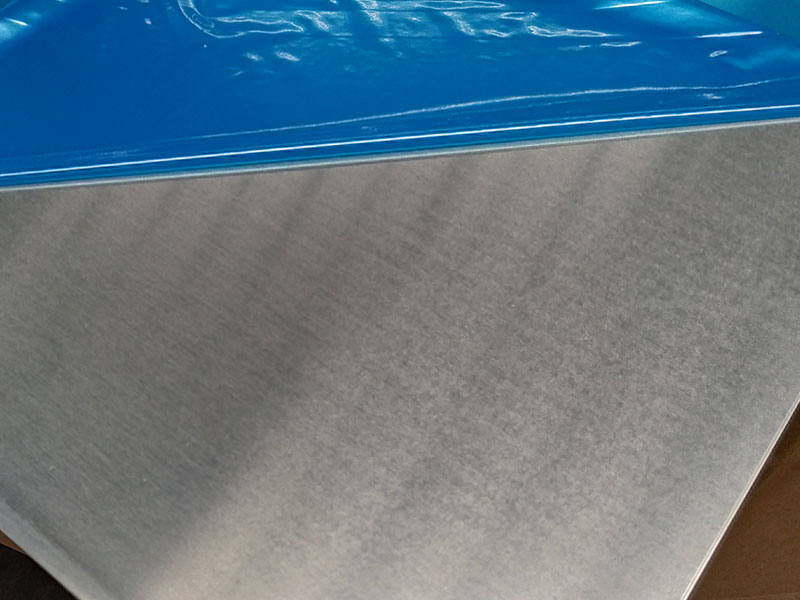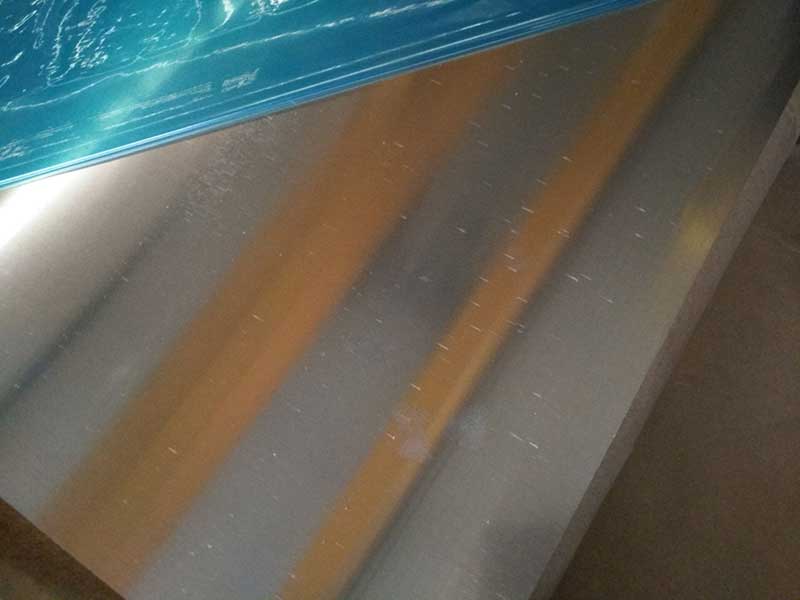

Bronze aluminum sheet
Bronze Aluminum Sheet: The Warm Look of Bronze, the Work Ethic of Aluminum
"Bronze aluminum sheet" is often searched with a specific intention: people want the classic, warm bronze appearance, but they need the practicality of aluminum-lightweight handling, strong corrosion resistance, easy fabrication, and dependable supply. From a product standpoint, bronze aluminum sheet is less a single alloy and more a design outcome achieved through alloy selection, surface treatment, and process control. Think of it as a sheet engineered to perform like aluminum while presenting like bronze.
This combination is popular in architectural skins, curtain walls, interior panels, ceilings, elevators, signage, decorative trims, consumer products, and transportation interiors. It fits projects where the surface must feel premium and "timeless," yet installation speed, weight limits, and budget realities push you toward aluminum rather than copper-based bronze.
What "Bronze" Means in Aluminum Sheet
In practice, bronze aluminum sheet typically refers to aluminum sheet that achieves a bronze tone through one of these routes:
Bronze color coating (PVDF or polyester) is the most common method for exterior and general decorative use. The alloy provides mechanical performance; the coating delivers color uniformity and weatherability.
Anodized bronze aluminum sheet uses anodizing to create a hard oxide layer and then colors it to bronze shades (light bronze to dark bronze). This approach is valued for scratch resistance, metallic depth, and long-term stability.
Bronze-toned brushed or etched finishes are used indoors where tactile texture matters, often protected with a clear lacquer.
Because the color is usually a surface specification rather than a bulk chemistry, buyers should define both the base alloy/temper and the finish system. That is how you ensure the sheet behaves correctly during bending, punching, roll forming, or panel fabrication-and looks consistent across batches.
Common Alloys and Tempers for Bronze Aluminum Sheet
The "best" alloy is determined by what the sheet must withstand: forming, wind load, impact, marine exposure, or strict flatness requirements. Below are the most used options:
1000 series (such as 1050, 1060, 1100) is chosen for excellent formability and a very clean surface, making it friendly for anodizing and decorative finishes. Strength is lower, so it's better for interior panels, trims, and light-duty cladding.
3000 series (3003, 3004) is a workhorse for architectural and decorative sheet. It combines good corrosion resistance with better strength than the 1000 series and bends nicely. Many coated bronze sheets for general construction use this family.
5000 series (5052, 5005, 5083) is preferred when corrosion resistance and strength matter, especially in coastal or industrial environments. 5005 is often selected for anodizing because it can produce a uniform anodized appearance; 5052 is a strong general-purpose option for formed parts.
6000 series (6061) appears when structural strength and machining are more important than extreme formability. It's used for components, frames, and applications where the "bronze" look is required but the sheet also carries higher mechanical duties.
Temper matters as much as alloy. H14 and H24 are common for coated sheets that still need some forming. H16 and H18 are used when higher rigidity is required. O temper is selected for deep forming and tight bends. T6 is typical for 6061 when strength dominates.
Typical Parameters Customers Specify
Bronze aluminum sheet purchasing goes smoothly when the quote includes both performance and appearance parameters:
Thickness commonly ranges from 0.5 mm to 6.0 mm for architectural and decorative use, with thicker plate available for heavy-duty fabrication.
Width is frequently 1000 mm, 1220 mm, 1250 mm, 1500 mm, and up to 2000 mm depending on mill capability. Length can be cut-to-size, with 2000 mm, 2440 mm, 3000 mm, and 6000 mm common.
Surface finish can be mill finish, brushed, satin, mirror, embossed, or pretreated for coating. Bronze color is typically defined by a reference sample, RAL-like target, or a customer-approved standard panel.
Coating systems for "bronze" often include PE for interior and short-to-mid outdoor life, and PVDF for demanding exterior façades. Dry film thickness, gloss level, and color tolerance are essential to define if visual consistency matters across a large building elevation.
Anodized bronze sheet is often specified by anodic film thickness and sealing method, because these affect wear, corrosion behavior, and appearance retention.
Implementation Standards and What They Control
A bronze aluminum sheet is a blend of metallurgy and surface discipline, and standards help keep it predictable:
ASTM B209 is widely used for aluminum and aluminum-alloy sheet and plate, controlling dimensions, permissible variations, and general material requirements.
EN 485 is common in Europe for sheet/strip tolerances and mechanical properties.
EN 573 and EN 515 cover chemical composition and temper designations in many EN supply chains.
For pre-painted products, coil coating quality is often aligned with AAMA 2605 (high-performance PVDF), AAMA 2604, or AAMA 2603, depending on exterior durability expectations. These standards focus on chalking, fading, film integrity, and weathering behavior-exactly what matters when bronze color must stay bronze.
For anodized bronze, specifications often reference ISO 7599 for anodizing quality, plus thickness and sealing requirements agreed between buyer and supplier.
Alloy Tempering and Process Conditions That Affect Real-World Results
Bronze aluminum sheet is commonly fabricated after coating or anodizing, so forming performance is a practical concern. Tight bends on harder tempers can cause micro-cracking in coatings or visible stress lines in anodized finishes. When parts require aggressive forming, specifying a softer temper and validating bend radius is often more important than chasing maximum yield strength.
Surface pretreatment is another quiet determinant of quality. Conversion coatings, cleaning, and primer systems influence coating adhesion and corrosion resistance, especially on cut edges and fastener zones. For outdoor panels, edge sealing, correct fastener isolation, and drainage design can make the difference between "looks perfect for years" and "stains in one rainy season."
Chemical Composition Table (Typical Ranges, wt.%)
Below is a concise reference for common base alloys used under bronze finishes. Actual limits depend on the governing standard and supplier certification.
| Alloy | Si | Fe | Cu | Mn | Mg | Cr | Zn | Ti | Al |
|---|---|---|---|---|---|---|---|---|---|
| 1050 | ≤0.25 | ≤0.40 | ≤0.05 | ≤0.05 | ≤0.05 | - | ≤0.05 | ≤0.03 | ≥99.50 |
| 1060 | ≤0.25 | ≤0.35 | ≤0.05 | ≤0.03 | ≤0.03 | - | ≤0.05 | ≤0.03 | ≥99.60 |
| 1100 | ≤0.95 (Si+Fe) | - | 0.05–0.20 | ≤0.05 | - | - | ≤0.10 | ≤0.05 | ≥99.00 |
| 3003 | ≤0.60 | ≤0.70 | 0.05–0.20 | 1.0–1.5 | - | - | ≤0.10 | - | Bal. |
| 5005 | ≤0.30 | ≤0.70 | ≤0.20 | ≤0.20 | 0.5–1.1 | ≤0.10 | ≤0.25 | ≤0.20 | Bal. |
| 5052 | ≤0.25 | ≤0.40 | ≤0.10 | ≤0.10 | 2.2–2.8 | 0.15–0.35 | ≤0.10 | - | Bal. |
| 6061 | 0.4–0.8 | ≤0.70 | 0.15–0.40 | ≤0.15 | 0.8–1.2 | 0.04–0.35 | ≤0.25 | ≤0.15 | Bal. |
"Bal." indicates aluminum is the balance. Dashes indicate "not typically specified" or very low residuals controlled by general limits.
Choosing Bronze Aluminum Sheet with Confidence
A bronze aluminum sheet succeeds when the project treats color as a system, not a guess. The best results come from matching the alloy and temper to fabrication needs, then selecting a finish standard that matches the environment. For interior décor, a bronze anodized 5005 or coated 3003 can deliver excellent visual depth at a practical cost. For exterior façades, PVDF-coated 3003 or 5052 is commonly chosen for weather stability, while coastal or industrial sites often lean toward stronger corrosion-oriented choices with careful pretreatment and detailing.