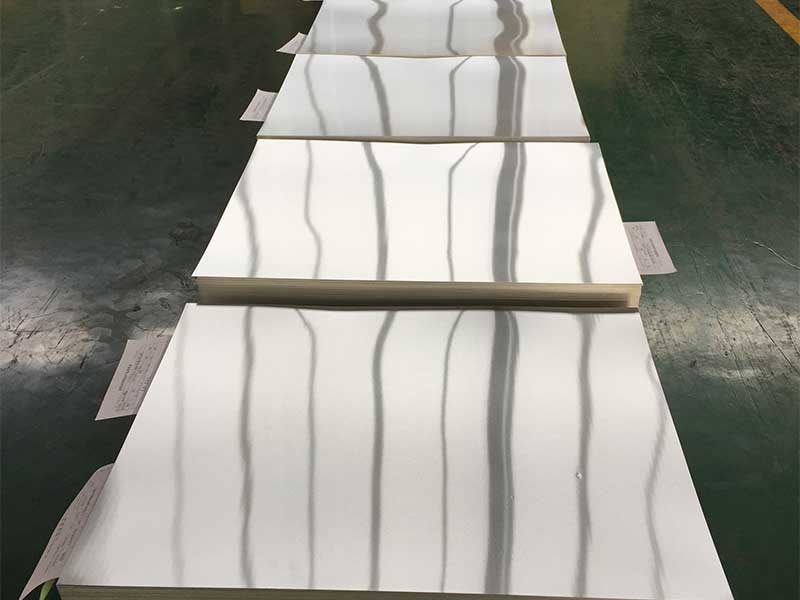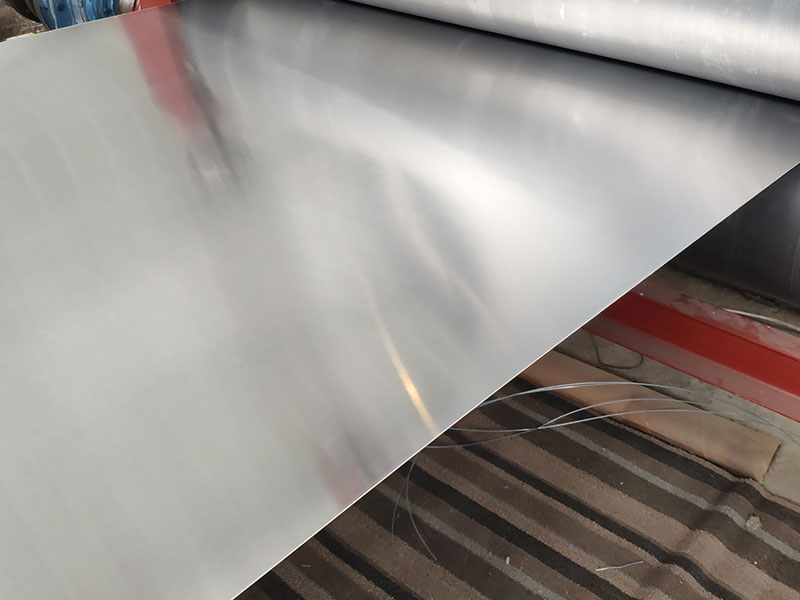

CTP Aluminium Sheet Positive Thermal Plates for Offset Printing
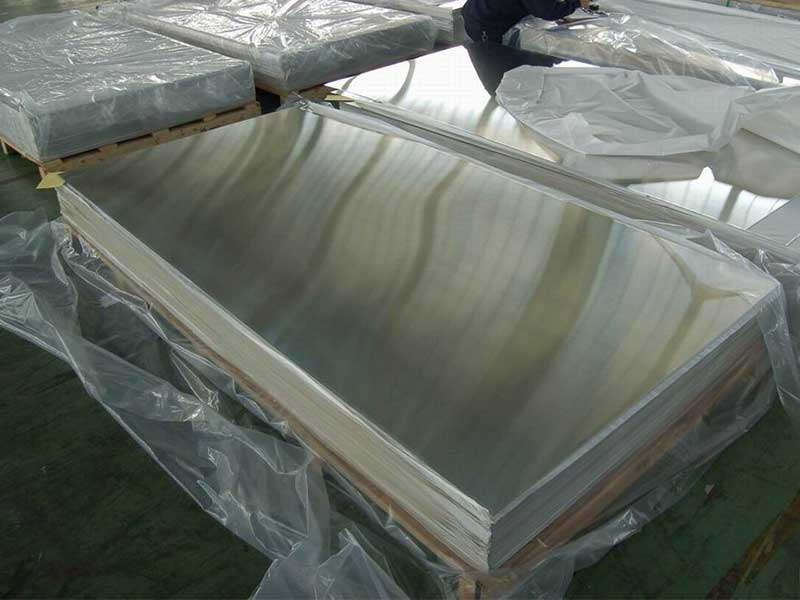
Computer-to-Plate (CTP) positive thermal plates rely on a precisely engineered aluminium substrate to deliver stable imaging, long press life, and consistent dot reproduction. CTP Aluminium Sheet for Positive Thermal Plates is not just "base metal"-it is a functional layer in the lithographic system, responsible for water balance, adhesion to the coating, dimensional stability, and runnability on press.
1) What the Product Is (and Why Aluminium Matters)
A positive thermal plate is typically built as:
- Aluminium substrate (electrochemically grained + anodized)
- Thermal-sensitive positive coating
- Optional topcoat for handling and transport stability
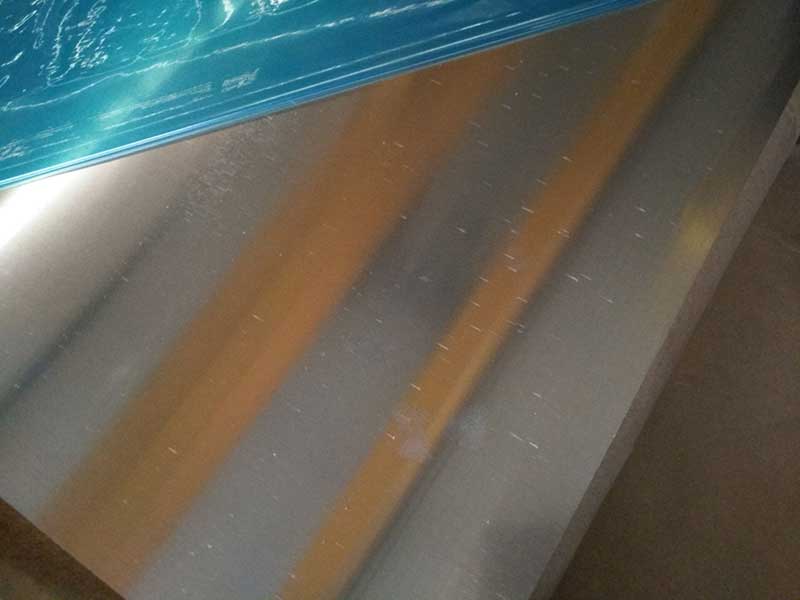
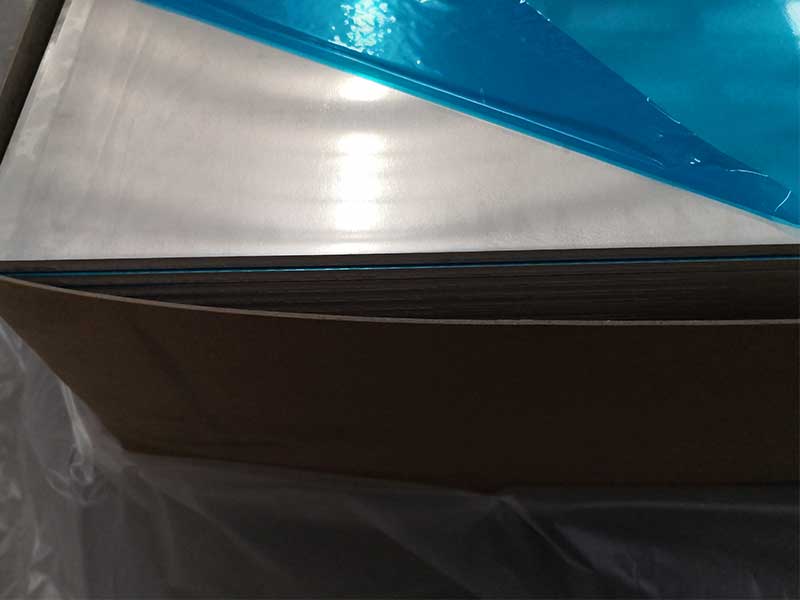
The aluminium sheet's surface morphology and oxide layer determine how well the coating anchors, how uniformly the plate wets with fountain solution, and how stable the plate remains under heat and mechanical stress. A well-designed substrate improves:
- Imaging latitude (stable sensitivity window)
- Resolution and highlight reproduction
- Press durability (abrasion and chemical resistance)
- Low defect rate (stains, scratches, coating pinholes)
2) Features at a Glance
| Feature | What It Means in Production | Customer Value |
|---|---|---|
| Electrochemical graining (EG) | Controlled micro-roughness for coating anchorage and water retention | Cleaner non-image areas, stable ink–water balance |
| Anodized aluminium oxide layer | Dense, uniform Al₂O₃ for wear resistance | Longer run length, better chemical durability |
| Tight thickness & flatness control | Reduced deformation through processing and printing | Fewer press adjustments, better registration |
| High surface cleanliness | Low organic residues and inclusions | Reduced coating defects and plate waste |
| Consistent grain uniformity | Repeatable Ra/peak distribution across coil and batches | Predictable imaging and development behavior |
3) Typical Applications and Use Cases
CTP aluminium sheet for positive thermal plates is optimized for:
- Commercial printing (brochures, catalogs, manuals)
- Packaging offset (folding cartons, labels-where sharp dots matter)
- Newspapers and high-throughput print shops (where stability and fast make-ready are critical)
- Long-run jobs (where anodic hardness and grain consistency drive durability)
- Mixed job environments (frequent plate changes, varied fountain solutions, variable press speeds)
4) Performance Benefits in Offset Printing
4.1 Dot Fidelity and Resolution Stability
Uniform graining produces consistent micro-cells for water film retention. This helps protect non-image areas and prevents tone jumps, especially in:
- 2–5% highlights
- Fine text and line art
- Screen tints and gradient transitions
4.2 Strong Coating Adhesion
The combination of grained texture + controlled anodic oxide improves mechanical anchoring and chemical bonding of the thermal coating, supporting:
- Lower risk of image lift
- Stable behavior during development
- Less sensitivity to press chemistry fluctuations
4.3 Press Life and Abrasion Resistance
A properly formed anodic layer increases hardness and wear resistance. In practical terms:
- Better tolerance to blanket pressure
- Improved resistance to plate cleaners, fountain additives, and mild solvents
- Reduced micro-scratch propagation during handling
4.4 Dimensional Stability
Aluminium alloy selection plus strict thickness/flatness control reduces plate growth and waviness, improving:
- Multi-color registration
- Consistent tension and clamping
- Reduced risk of edge cracks in repeated mounting cycles
5) Technical Specifications (Typical Supply Range)
Note: Values below reflect common industrial supply targets for positive thermal CTP substrates. Final parameters can be tuned to match coating system, press conditions, and development chemistry.
5.1 Aluminium Sheet Technical Specifications
| Item | Typical Range / Target | Test / Notes |
|---|---|---|
| Alloy grade (substrate) | 1050 / 1060 / 1070 (customizable) | High purity for stable anodizing and graining |
| Temper | H18 / H19 (common) | Balances strength and formability |
| Thickness | 0.15–0.40 mm (common: 0.30 mm) | Based on plate format and press type |
| Width | 600–1350 mm | Coil or sheet supply |
| Length (sheet) | 800–2000 mm | Cut-to-size available |
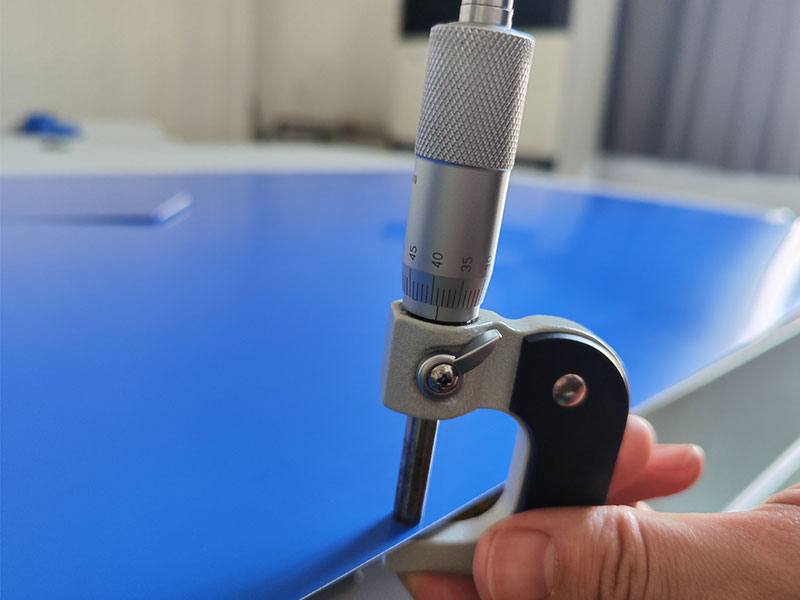
| Thickness tolerance | ±0.005–0.010 mm | Depends on gauge and order |
| Flatness | Tight controlled | Supports imaging uniformity |
| Surface treatment | EG + anodized (standard) | Optional chemical treatment layer |
| Surface roughness (Ra) | 0.30–0.60 µm (typical) | Tuned to coating & press needs |
| Anodic layer mass | 1.5–3.0 g/m² (typical) | Converted to thickness by process |
| Pinhole / defect control | High standard | Visual + process inspection |
5.2 Mechanical Properties (Typical for High-Purity Al Plate Stock)
| Property | Typical Value | Notes |
|---|---|---|
| Tensile strength (Rm) | 130–180 MPa | Depends on alloy/temper |
| Yield strength (Rp0.2) | 115–160 MPa | Higher strength improves press stability |
| Elongation (A50) | 1.0–3.0% | Adequate for handling/forming |
| Hardness | 40–55 HB (approx.) | Related to temper and purity |
6) Chemical Composition (Typical for Common Substrate Alloys)
High-purity aluminium is preferred to ensure consistent electro-graining, uniform anodizing, and low defect propensity.
6.1 Alloy 1050 (Typical)
| Element | Si | Fe | Cu | Mn | Mg | Zn | Ti | Al |
|---|---|---|---|---|---|---|---|---|
| wt.% | ≤0.25 | ≤0.40 | ≤0.05 | ≤0.05 | ≤0.05 | ≤0.05 | ≤0.03 | ≥99.50 |
6.2 Alloy 1060 (Typical)
| Element | Si | Fe | Cu | Mn | Mg | Zn | Ti | Al |
|---|---|---|---|---|---|---|---|---|
| wt.% | ≤0.25 | ≤0.35 | ≤0.05 | ≤0.03 | ≤0.03 | ≤0.05 | ≤0.03 | ≥99.60 |
6.3 Alloy 1070 (Typical)
| Element | Si | Fe | Cu | Mn | Mg | Zn | Ti | Al |
|---|---|---|---|---|---|---|---|---|
| wt.% | ≤0.20 | ≤0.25 | ≤0.04 | ≤0.03 | ≤0.03 | ≤0.04 | ≤0.03 | ≥99.70 |
7) Quality Control Points That Drive Real Printing Results
| Control Item | What We Monitor | Why It Matters |
|---|---|---|
| Grain uniformity across width | Ra distribution, micro-cell consistency | Stable ink–water balance, fewer scums |
| Oxide layer consistency | Anodic weight, sealing effect | Press life, chemical resistance |
| Thickness/flatness | Gauge maps, waviness | Imaging uniformity and registration |
| Edge condition | Burr, edge cracks | Safer handling, fewer mounting issues |
8) Practical Benefits for Customers
- Lower plate waste: fewer coating defects and imaging rejects due to consistent surface quality
- Faster make-ready: stable wetting behavior reduces time spent tuning fountain/ink balance
- Repeatable color and tone: consistent dot gain control, especially in highlights and mid-tones
- Higher productivity: reliable mounting and press stability reduce stoppages
- Broader chemistry compatibility: anodized substrate resists common press solutions and cleaners
9) Selection Guidance (How to Specify the Right Plate Stock)
| Customer Need | Recommended Substrate Direction |
|---|---|
| High resolution / fine screens | Controlled finer Ra (within coating supplier window), high grain uniformity |
| Long press runs | Slightly higher anodic layer target, stricter defect control |
| High-speed presses | Strong flatness control + consistent temper |
| High humidity / harsh chemistry | Robust anodizing + stable sealing, strict cleanliness requirement |
| Frequent plate changes | Stronger temper option and better edge condition |
CTP Aluminium Sheet for Positive Thermal Plates is a performance-critical substrate engineered for stable imaging, robust coating adhesion, long press life, and consistent lithographic behavior. By combining high-purity aluminium alloy selection with controlled electro-graining and anodizing, it delivers the repeatability modern CTP workflows demand-helping printers reduce waste, improve tone stability, and run faster with fewer interruptions.
https://www.aluminumplate.net/a/ctp-aluminium-sheet-positive-thermal-plates-for-offset-printing.html