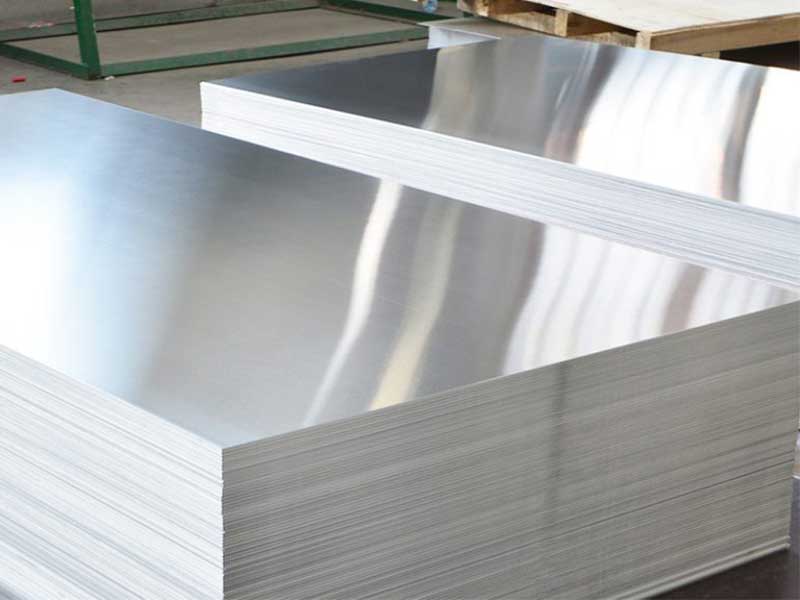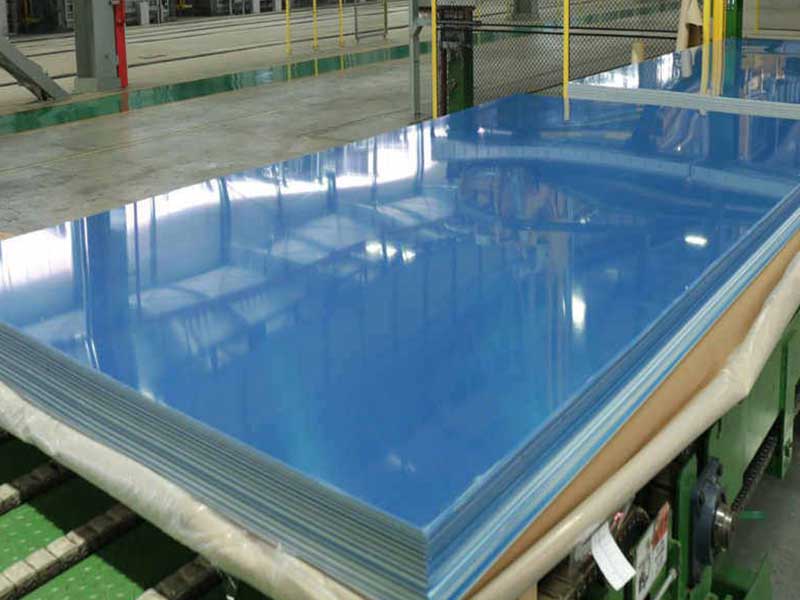

6061 aluminum plate t6 and t651 which temper is more suitable for processing
When customers ask whether 6061 aluminum plate T6 or T651 is more suitable for processing, they're often expecting a simple answer like "T651 is better for machining." That's usually true, but it's not the whole story. A more useful way to choose is to think like a fabricator, not a spec sheet: your "best temper" depends on whether your process behaves more like a cutter, a bender, a welder, or a stress tester. T6 and T651 are closely related, yet they "feel" different on the shop floor-especially once you start removing material, holding flatness, or chasing tight tolerances.
The shared foundation: what 6061 is designed to do
Both T6 and T651 are based on the same strengthening route. The difference is a subtle extra step that becomes very visible during machining.
Temper meaning in plain language
6061-T6 means the plate was solution heat treated, quenched, then artificially aged to a high-strength condition. It's strong, stable in service, and common in general-purpose plate.
6061-T651 starts as T6, then adds stress relief by stretching (the "51") before final finishing. That stretch relieves residual rolling and quenching stresses that otherwise remain locked inside the plate.
If you picture the plate as a compressed spring from heat treatment and rolling, T6 leaves more spring energy inside. T651 "lets the spring relax" before you machine it.
Why the stress-relief step changes processing outcomes
Residual stress is not a cosmetic issue. It shows up when you cut deep pockets, skim one side, or remove large amounts of stock. A T6 plate can move after machining because you've released internal stresses unevenly. That's when parts warp, faces lose flatness, and tolerances drift.
T651 is generally more suitable for processing when any of these are true:
You remove a lot of material, you need good flatness after machining, you hold tight tolerances over large footprints, or your part geometry is thin-wall or asymmetrical. In those cases, stress relief matters as much as strength.
T6 still makes sense when your machining is light, when you mainly cut profiles or drill holes, when the part is thick and symmetric, or when availability and cost are the priority. Many fabricators successfully machine T6 every day-especially when they use balanced machining strategies and leave adequate stock for finish passes.
Processing "fit": machining, forming, welding, and stability
From a practical production viewpoint, T651 often behaves like the "precision-grade" option.
For CNC machining and milling, T651 usually delivers better dimensional stability and flatter finished parts. Tool wear and cutting parameters are similar between T6 and T651 because the hardness/strength is essentially the same class, but the distortion risk is lower with T651.
For bending and forming, neither T6 nor T651 is ideal for tight-radius forming because both are peak-aged and relatively low in ductility compared with softer tempers like O or T4. If forming is central, you would typically form in a softer temper and then heat treat, or redesign with larger bend radii.
For welding, both tempers can be welded, but the heat-affected zone will soften (locally reverting toward a T4-like condition). Post-weld strength is governed more by design and filler choice than by whether the base plate started as T6 or T651. If you machine after welding and need flatness, the stress profile from welding may dominate-yet starting with T651 still reduces one variable.
For long-term stability, T651 is preferred when parts must remain flat over time or across moderate temperature changes, particularly in large plates used as tooling, fixtures, vacuum plates, and bases.
Typical mechanical parameters customers care about
Exact values depend on thickness and specification, but commonly referenced minimums for 6061-T6/T651 plate are around:
Tensile strength about 290 MPa (42 ksi)
Yield strength about 240 MPa (35 ksi)
Elongation commonly 8–12% depending on thickness
In most purchasing decisions, the takeaway is that T651 keeps T6-level strength while improving stress-related behavior during machining.
Implementation standards and ordering notes
6061 plate is commonly supplied to recognized standards such as ASTM B209 (Aluminum and Aluminum-Alloy Sheet and Plate). Properties and temper definitions align with ANSI H35.1 / Aluminum Association temper designations. Depending on your market and project, you may also see EN standards referenced; always confirm the governing standard, inspection requirements, and whether the plate is certified for mechanical properties at your thickness.
When ordering for processing, it helps to specify:
Temper (T6 or T651)
Thickness range and tolerances
Flatness requirements if critical
Certification and test report requirements
Intended machining stock allowance if you want a supplier to recommend tooling plate alternatives
Chemical composition: the "why" behind performance
6061's chemistry is tuned to form strengthening Mg-Si precipitates while maintaining corrosion resistance and good fabrication behavior.
Below is a typical composition range for AA 6061 (mass percent), commonly referenced from Aluminum Association limits.
| Element | Composition (wt%) |
|---|---|
| Si | 0.40–0.80 |
| Fe | 0.00–0.70 |
| Cu | 0.15–0.40 |
| Mn | 0.00–0.15 |
| Mg | 0.80–1.20 |
| Cr | 0.04–0.35 |
| Zn | 0.00–0.25 |
| Ti | 0.00–0.15 |
| Others (each) | 0.00–0.05 |
| Others (total) | 0.00–0.15 |
| Al | Remainder |
This balance is why 6061 is a "processing-friendly" alloy: Mg and Si provide strength after aging, while the overall alloy remains relatively forgiving in machining and corrosion environments.
Tempering route: what actually happens to the plate
Both T6 and T651 rely on solution heat treatment and artificial aging.
T651 adds controlled stretching after quenching/aging steps (process details vary by mill practice) to reduce residual stress. That single addition is why T651 is often chosen for large plates and precision machining.