
Alloy 1070 aluminium plate
Alloy 1070 aluminium plate often gets described with a single word: "pure." But that label doesn't capture why engineers, buyers, and fabricators keep choosing it. A better way to see 1070 plate is as a material that behaves like a reliable "signal carrier" in manufacturing: it transfers heat quickly, conducts electricity efficiently, reflects light well, and forms easily-without the distracting complexity that comes with higher-alloyed grades.
If your application rewards conductivity, corrosion resistance, and clean forming more than it rewards brute strength, 1070 aluminium plate becomes a quiet advantage. It's the kind of product that makes downstream processes smoother: easier bending, cleaner surface finishing, stable performance in humid or mildly aggressive environments, and predictable results in stamping or spinning.
What is 1070 aluminium plate, really?
1070 belongs to the 1xxx series, the family of commercially pure aluminium. In practice, it's typically recognized for having very high aluminium content, with only small amounts of other elements. Those trace additions are not "alloying" in the strengthening sense; they're residuals controlled to keep properties consistent.
That purity shows up as:
- Excellent electrical conductivity compared with most wrought aluminium alloys
- High thermal conductivity, useful in heat spreading and thermal management
- Strong natural corrosion resistance due to a stable aluminium oxide film
- Very good ductility and formability, especially in softer tempers
The trade-off is also straightforward: strength is modest. If the job is primarily structural or fatigue-driven, a 5xxx or 6xxx plate may make more sense. But when the job is "move heat, carry current, stay clean, form easily," 1070 is hard to beat.
Typical product parameters customers care about
A plate buyer's definition of "quality" is rarely abstract. It's practical: thickness accuracy, flatness, surface finish, temper consistency, and compliance documentation.
Common supply parameters for 1070 aluminium plate include:
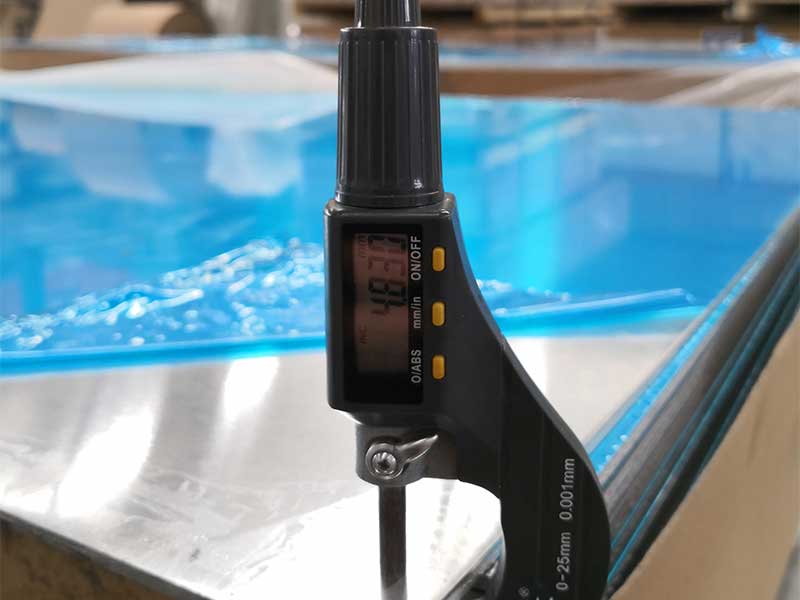
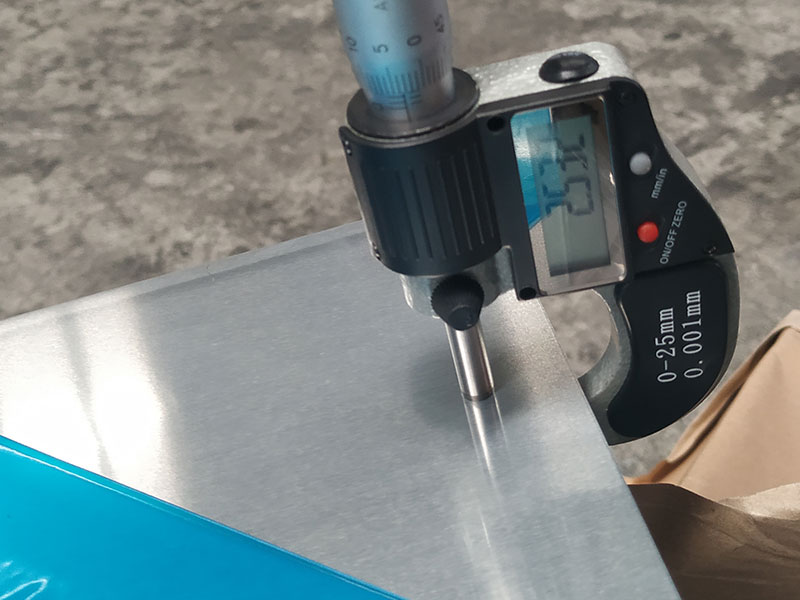
- Thickness range: typically from thin plate around 0.5 mm up to medium plate such as 50 mm, with many mills focusing on popular bands like 1–20 mm
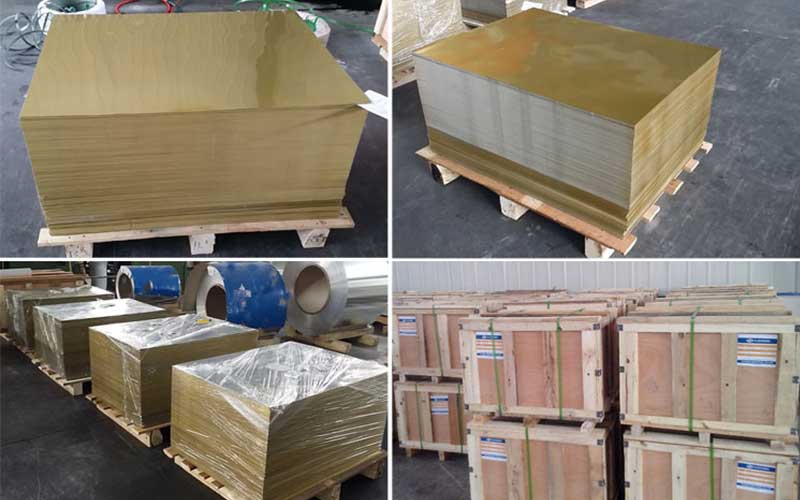
- Width and length: commonly cut-to-size; coil-to-plate processing is also possible for thinner gauges
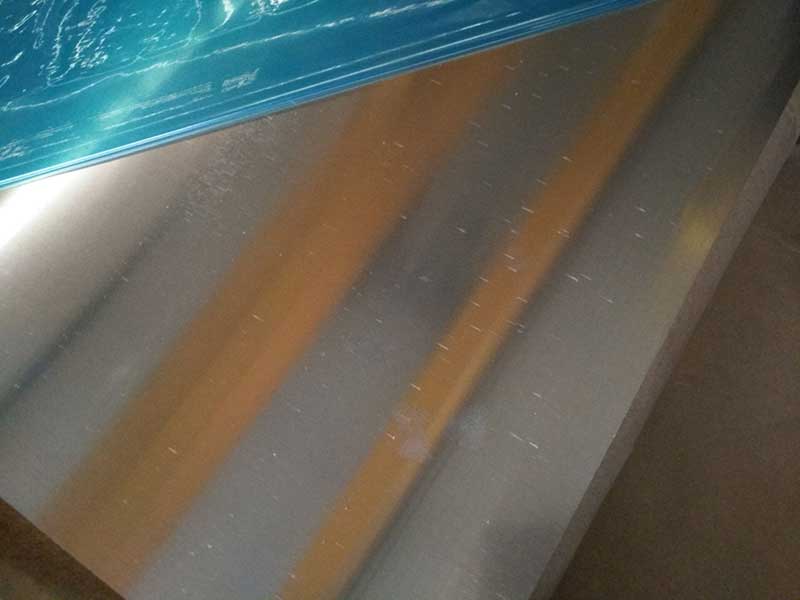
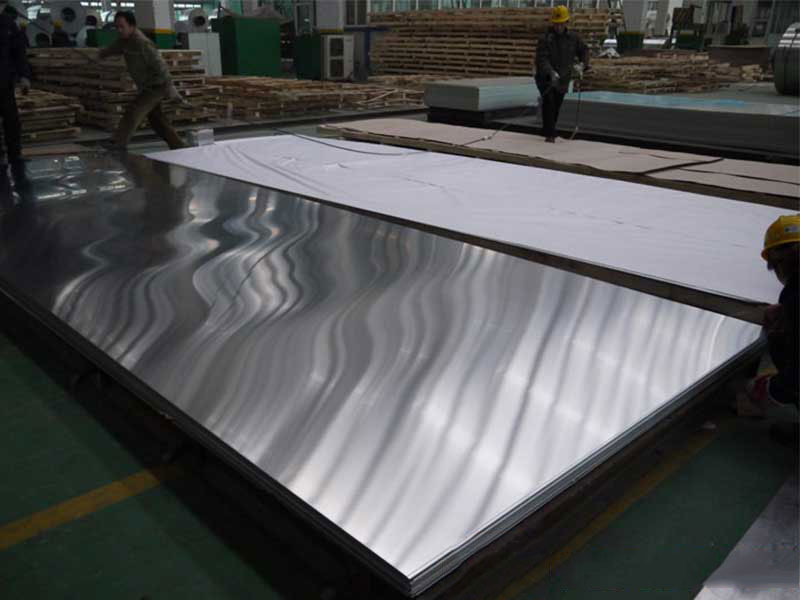
- Surface: mill finish, bright finish, brushed, or specialized preparation for anodizing and reflective uses
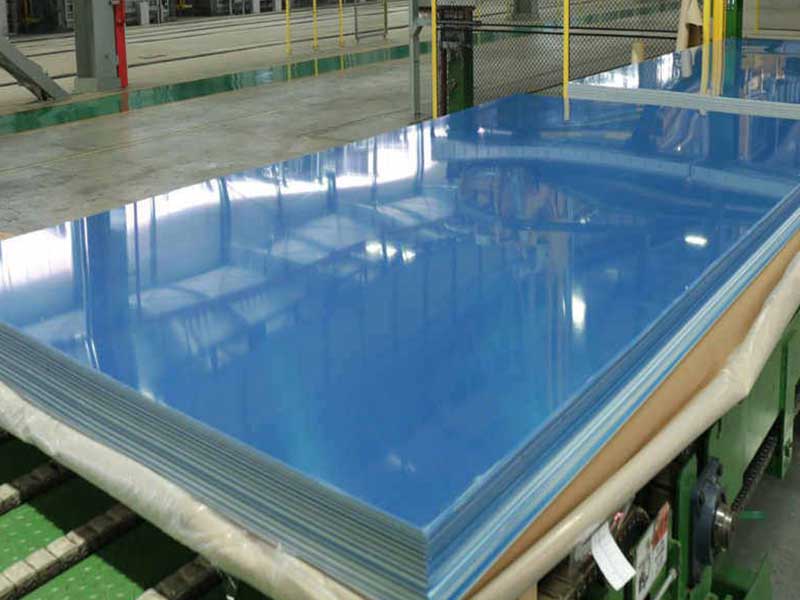
- Protective film: optional PVC/PE film for cosmetic protection during handling and fabrication
- Flatness and tolerances: governed by the chosen standard and manufacturing route (hot rolled vs. cold rolled for thinner plate)
Because 1070 plate is often selected for surface-sensitive or conductivity-critical uses, customers frequently specify tighter surface control and request inspection items such as conductivity testing, surface roughness targets, and ultrasonic testing for thicker plates.
Implementation standards and common specification language
1070 aluminium plate is widely traded, so it's usually purchased against well-known standards. The exact designation might vary by region, but typical references include:
- ASTM B209 for aluminium and aluminium-alloy sheet and plate
- EN 485 series for tolerances and mechanical properties of wrought aluminium products
- EN 573 for chemical composition of wrought aluminium and aluminium alloys
- JIS H4000 / JIS H4040 series in Japanese supply chains
- GB/T standards in China for composition, tolerances, and mechanical properties
In procurement, it's common to see a description like "1070 plate, temper O/H14/H24, ASTM B209 (or EN), thickness × width × length, mill test certificate required." If your project is export-facing, aligning the alloy designation, temper, and test report format early can prevent delays.
Tempering conditions: how 1070 is "tuned" for real work
Since 1070 is not heat-treatable in the way that 6xxx or 7xxx alloys are, its strength and hardness are mainly adjusted through cold work and annealing. This is where temper codes become the practical dial.
Common tempers for 1070 aluminium plate include:
- O temper (annealed): maximum ductility, best for deep drawing, spinning, complex bending, and applications where formability is everything
- H12 / H14 / H16 / H18: strain-hardened to increasing levels, progressively higher strength and hardness, lower elongation
- H24: strain-hardened and partially annealed, often chosen for a balanced combination of strength and workable formability
If you're selecting temper, the "distinctive viewpoint" is to treat it as a manufacturing decision, not just a mechanical-property checkbox. A softer temper may reduce cracking risk and tool wear during forming, while a harder temper may reduce denting and improve dimensional stability after fabrication. In many shops, choosing the right temper is cheaper than solving problems later with redesigns or extra finishing steps.
Chemical composition: typical ranges (reference table)
1070 is generally defined by its high aluminium content, while impurities are limited. Exact limits depend on the governing standard, so the table below should be treated as a typical reference and confirmed against your required specification.
Alloy 1070 aluminium plate – typical chemical composition (wt.%)
| Element | Typical limit/range |
|---|---|
| Al (Aluminum) | ≥ 99.70 |
| Si (Silicon) | ≤ 0.20 |
| Fe (Iron) | ≤ 0.25 |
| Cu (Copper) | ≤ 0.04 |
| Mn (Manganese) | ≤ 0.03 |
| Mg (Magnesium) | ≤ 0.03 |
| Zn (Zinc) | ≤ 0.04 |
| Ti (Titanium) | ≤ 0.03 |
| Others (each) | ≤ 0.03 |
| Others (total) | ≤ 0.10 |
This chemistry is the reason 1070 performs so consistently in conductivity-focused and corrosion-sensitive environments: there are fewer alloying elements to disrupt electron flow or complicate surface reactions during finishing.
properties that drive applications
Rather than treating 1070 plate as "a weaker aluminium," it's more accurate to treat it as "a high-efficiency aluminium." Its value appears when the end product benefits from purity.
Electrical and thermal performance often place 1070 in:
- Busbars and conductive components where high conductivity matters
- Heat spreaders, thermal plates, and HVAC-related parts where heat needs to move fast
- Reflective panels and lighting-related surfaces, especially when paired with bright finishing
- Chemical handling or food-adjacent equipment where corrosion resistance and cleanliness are priorities
- Formed parts such as spun components, drawn shells, covers, nameplates, and decorative panels
When surface finish matters, 1070 is also a friendly substrate for anodizing. Its purity can help produce uniform anodic films, and the base metal's low impurity content reduces the chance of visual defects that sometimes show up in more heavily alloyed grades.
Practical notes for fabrication and finishing
1070 plate is typically easy to cut, shear, and form. Still, a few realities help customers get better results:
- Forming: O temper is the go-to for deep forming; harder H tempers may need larger bend radii to avoid edge cracking
- Welding: generally weldable with common aluminium processes; select filler and parameters based on joint design and service needs
- Machining: not as "crisp" as free-machining alloys because it's soft; sharp tools and proper chip control matter
- Surface protection: if cosmetic appearance is important, request protective film and specify acceptable surface class in the order
Buying alloy 1070 aluminium plate with confidence
A good purchase decision ties together standard compliance, temper, surface requirements, and the realities of your fabrication process. When you specify 1070 aluminium plate, you're not buying maximum strength-you're buying smooth manufacturing, stable surfaces, and high conductivity. That's a distinct kind of performance, and in many products it's exactly the performance that matters.
https://www.aluminumplate.net/a/alloy-1070-aluminium-plate.html