
Differ between hot rolled and cold rolled aluminum plate
Hot Rolled vs Cold Rolled Aluminum Plate: Think "Where the Accuracy Is Created"
Most comparisons focus on temperature. A more useful customer perspective is this: hot rolling creates the plate's shape efficiently; cold rolling creates the plate's accuracy and surface finish. Once you view it as where the value is added, choosing the right plate becomes much easier.
1) What the Process Really Changes (Not Just "Hot" vs "Cold")
Hot rolled aluminum plate
- Rolled at elevated temperature (above recrystallization range).
- Material is softer during rolling, so it can be reduced quickly into thick plate.
- The plate "relaxes" more after rolling, which means looser dimensional control is normal.
Cold rolled aluminum plate
- Rolled at/near room temperature, usually starting from hot-rolled stock.
- Deformation hardens the material and "locks in" shape more precisely.
- Produces better thickness tolerance, flatter sheet, and cleaner surface.
Practical takeaway:
- If your priority is cost-effective thickness and structure, hot rolled often wins.
- If your priority is precision, surface, and consistency, cold rolled is typically the right call.
2) Thickness Range: The Fastest Clue When You're Quoting
- Hot rolled is commonly used for thicker plate (structural plate, base plates, heavy machined parts).
- Cold rolled is commonly used for thinner plate/sheet where tolerance and finish matter.
If you need a very thick plate, it's often hot rolled by default. If you need tight gauge control and smooth finish, cold rolling (or additional finishing steps) becomes more important.
3) Surface Appearance: "As-Produced" vs "As-Finished"
Hot rolled plate surface
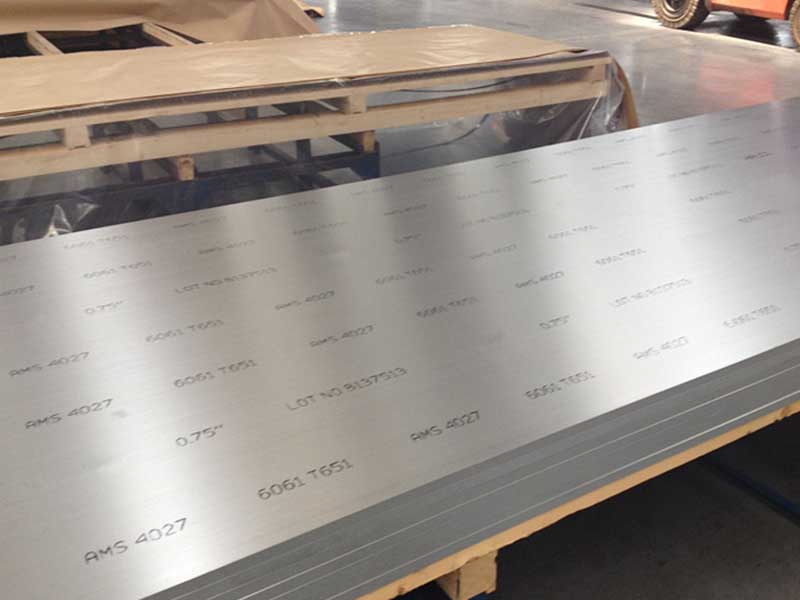
- Typically more matte, may show scale/oxide, minor surface marks.
- Best when the surface will be machined, painted, or not visible.
Cold rolled plate surface
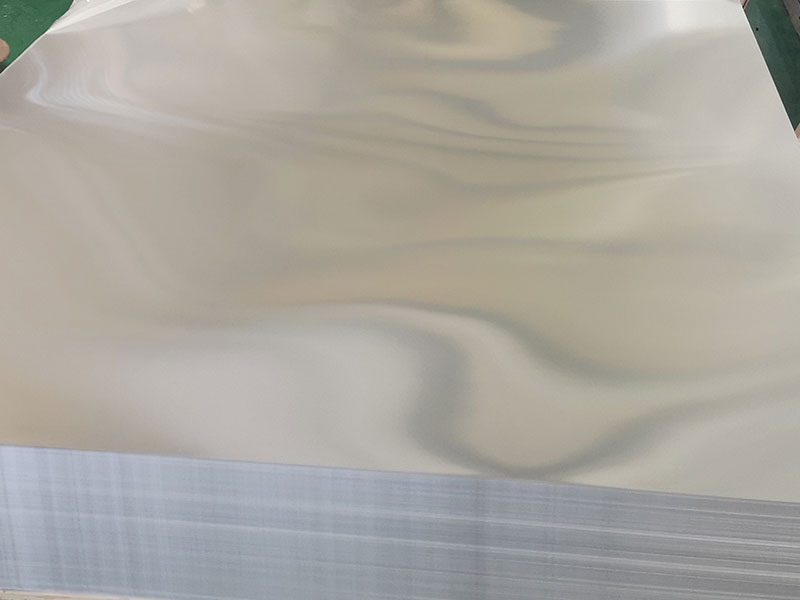
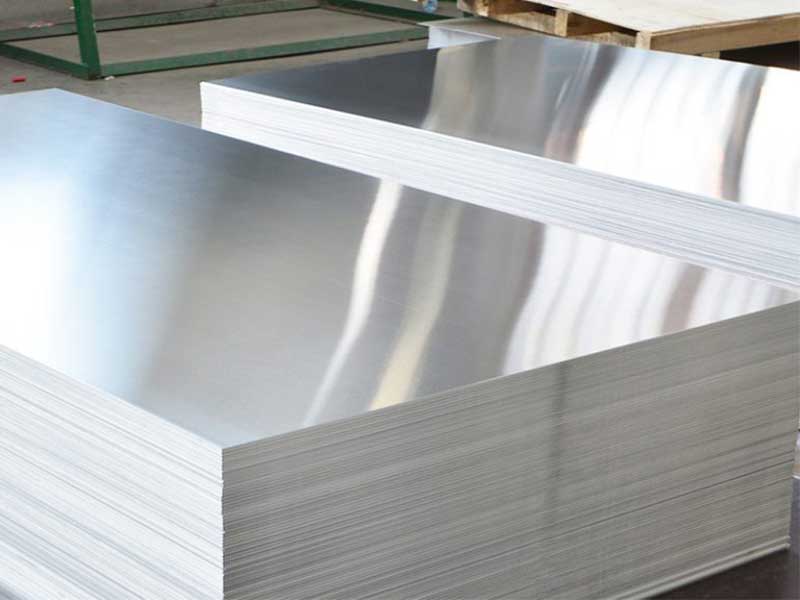
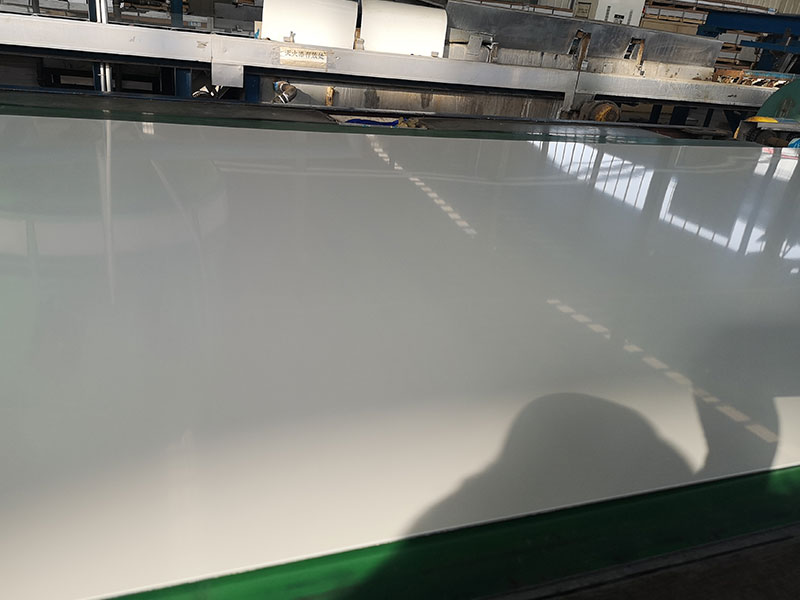
- Smoother, more uniform, better for anodizing, decorative use, or visible panels.
- More consistent reflectivity and appearance lot-to-lot.
Customer tip: If you plan to anodize for appearance, cold rolled usually reduces surprises.
4) Tolerance & Flatness: Where Cold Rolled Pays for Itself
- Cold rolled: tighter thickness tolerance, better flatness control (especially important for laser cutting, bending, and assembly alignment).
- Hot rolled: adequate for many structural/machined applications, but may require extra machining to hit tight final dimensions.
Rule of thumb:
If your drawing has tight thickness tolerance or flatness requirements, specify cold rolled (or specify the tolerance clearly and ask the supplier what route they will use).
5) Strength & Forming: Don't Confuse "Harder" with "Better"
Cold rolling increases strength through work hardening (depending on alloy/temper). That can be beneficial-but it can also reduce formability.
- Hot rolled (often supplied in softer tempers) can be easier to form for certain operations.
- Cold rolled can be stronger and more resistant to denting, but may crack sooner in tight bends if temper is too hard.
Best practice: Choose by temper and alloy first, then use rolling method to fine-tune tolerance and surface needs.
6) Machining Behavior: Stability Matters
For parts that will be heavily machined:
- Hot rolled plate can be cost-effective, but internal stress and distortion risk can be higher depending on processing and temper.
- Cold rolled plate may be more uniform in thickness and finish, but work hardening can affect tool wear.
Ask your supplier: Do you need stress-relieved material (for high-precision machining)? That question often matters more than hot vs cold.
Quick Selection Guide (Customer-Friendly)
Choose hot rolled aluminum plate when you need:
- Thicker sections
- Structural parts, base plates, brackets
- Lower cost per thickness
- Surface will be machined/painted/not cosmetic
Choose cold rolled aluminum plate when you need:
- Better surface finish (especially for anodizing/appearance)
- Tighter thickness tolerance and flatness
- Consistency for cutting/bending/assembly
- Less variation from plate to plate
Hot rolling makes aluminum into plate efficiently. Cold rolling makes it into a specification-ready product.
So the right choice depends on whether your project cost is driven by bulk material (hot rolled) or by accuracy, appearance, and downstream processing efficiency (cold rolled).
https://www.aluminumplate.net/a/differ-between-hot-rolled-and-cold-rolled-aluminum-plate.html