
Aluminum Ctp Plate Company Printing
In modern offset printing, Computer-to-Plate (CTP) technology has become the standard for speed, repeatability, and image fidelity. At the heart of this workflow is the aluminum CTP plate-a precision-engineered lithographic substrate designed to deliver consistent ink-water balance, stable dot reproduction, and long press runs.
1) What Is an Aluminum CTP Plate?
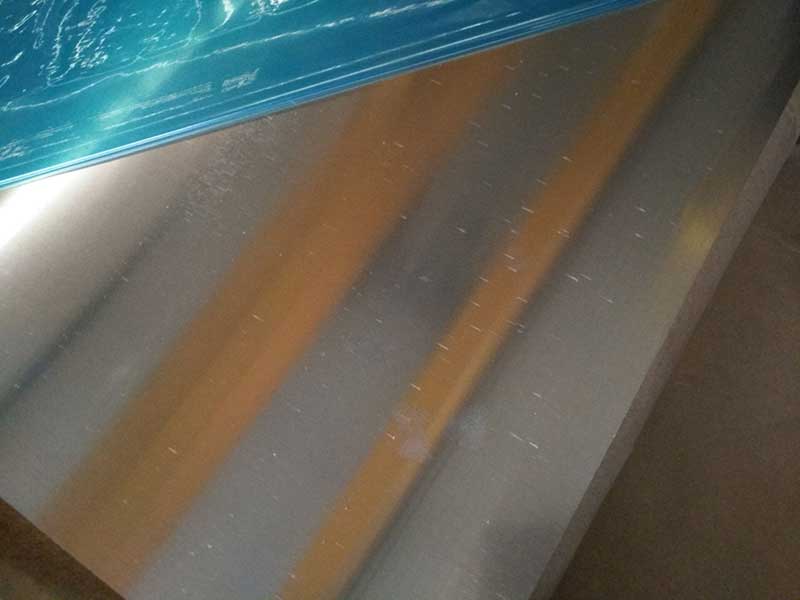
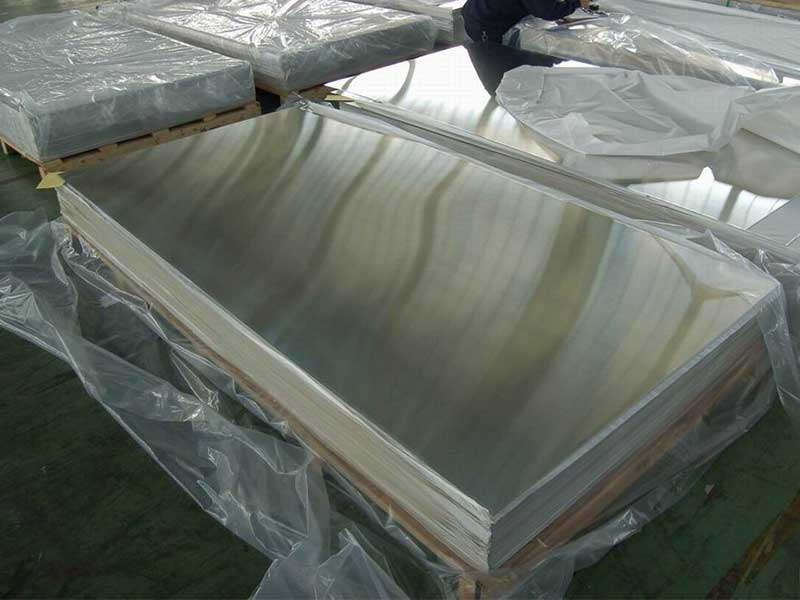
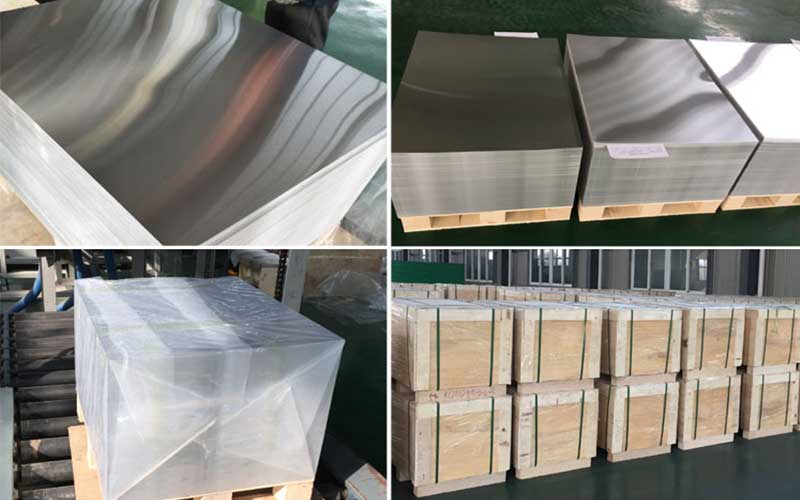
An aluminum CTP plate is a grained and anodized aluminum base coated with a photosensitive layer (thermal or UV). A platesetter images the coating directly from digital files, eliminating film, reducing setup time, and improving registration.
Why aluminum? Because it offers an optimal combination of:
- High dimensional stability
- Controlled surface energy for lithography
- Excellent heat dissipation during imaging
- Strong adhesion to anodic oxide layers
- Recyclability and mature supply chain
2) Product Construction and Features
A high-performing aluminum CTP plate depends on a tightly controlled multilayer structure:
| Layer / Element | Typical Function | Customer Value |
|---|---|---|
| Aluminum substrate (AA1xxx/3xxx) | Mechanical backbone, conductivity, flatness | Stable registration, reduced press variation |
| Electrochemical graining | Micro-roughness for water retention | Faster roll-up, stable ink/water balance |
| Anodizing (Al₂O₃ layer) | Wear resistance + hydrophilicity | Longer run length, cleaner background |
| Post-treatment / sealing | Pore control, corrosion stability | Improved storage stability, less oxidation sensitivity |
| Photosensitive coating (thermal/UV/PS) | Image formation (oleophilic vs hydrophilic regions) | Sharp dots, high resolution, reliable development |
Printing-critical features customers notice immediately:
- Fast imaging response and stable sensitivity window
- Low background toning and clean non-image areas
- Strong dot holding (especially in highlights and midtones)
- High run length for commercial and packaging work
- Good scratch resistance during handling and mounting
3) Technical Specifications (Typical Ranges)
Below is a consolidated "at-a-glance" specification set commonly requested by printers and distributors. (Exact parameters can be tailored by plate type, coating chemistry, and press conditions.)
| Parameter | Typical Range | Notes |
|---|---|---|
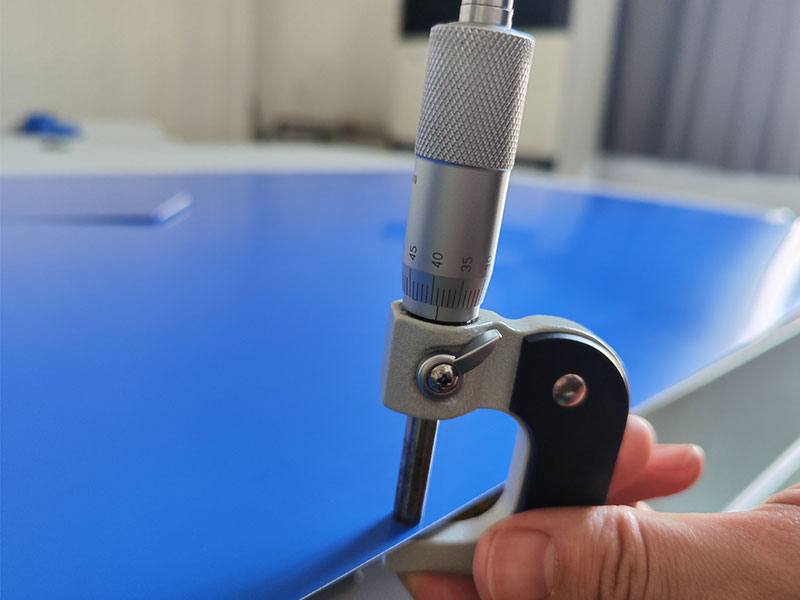
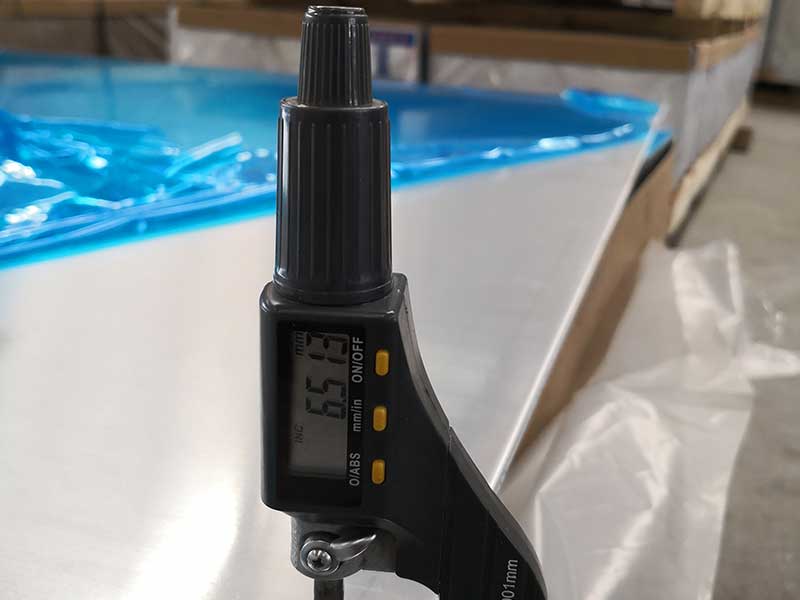
| Plate thickness | 0.15 / 0.20 / 0.25 / 0.30 / 0.40 mm | Selection depends on press format and rigidity |
| Aluminum temper | H18 / H19 (typical) | Hard temper supports run length and flatness |
| Surface roughness (Ra) | 0.45–0.85 μm | Tuned for water film stability and coating anchoring |
| Anodic layer weight | 2.0–3.5 g/m² | Higher values generally improve wear resistance |
| Imaging type | Thermal / UV / PS (as configured) | Match to platesetter wavelength and workflow |
| Resolution capability | 1–99% dot (typical) | Dependent on RIP, screening, and processing |
| Maximum line screen | 150–250 lpi (typical) | Higher with optimized screening and process control |
| Run length (unbaked) | 50,000–200,000 impressions | Varies with ink, paper, fountain solution, press |
| Run length (baked, where applicable) | 300,000–1,000,000+ impressions | Common in packaging/long-run jobs |
| Shelf life | 12–18 months (typical) | Store cool/dry, away from UV and solvents |
4) Aluminum Alloy and Chemical Composition (Substrate)
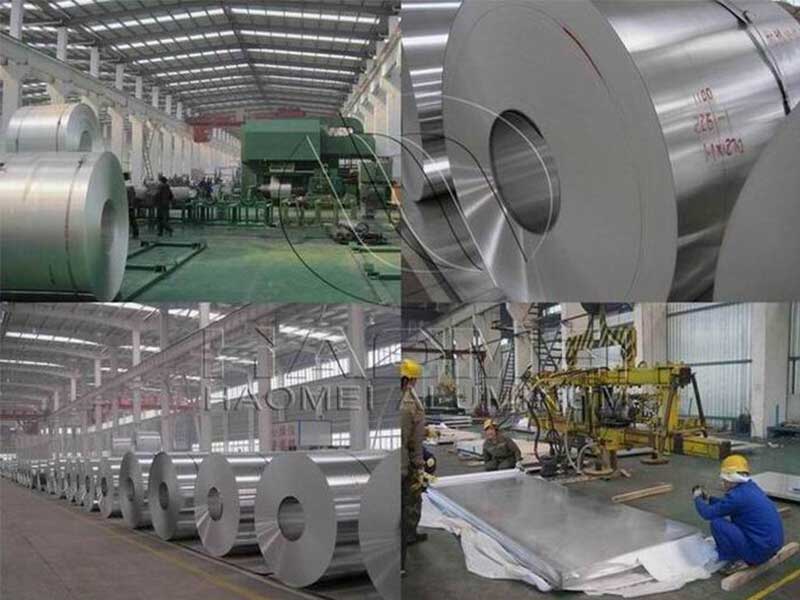
Most CTP plate bases are produced from high-purity aluminum (AA1050/1060/1070) or aluminum-manganese alloys (AA3003) to balance grainability, strength, and flatness.
Typical Substrate Chemistry (Reference)
| Alloy (Typical) | Al | Fe | Si | Mn | Cu | Mg | Zn | Ti |
|---|---|---|---|---|---|---|---|---|
| AA1050 | ≥ 99.5% | ≤ 0.40% | ≤ 0.25% | ≤ 0.05% | ≤ 0.05% | ≤ 0.05% | ≤ 0.07% | ≤ 0.05% |
| AA1060 | ≥ 99.6% | ≤ 0.35% | ≤ 0.25% | ≤ 0.03% | ≤ 0.05% | ≤ 0.03% | ≤ 0.05% | ≤ 0.03% |
| AA3003 | Bal. | ≤ 0.70% | ≤ 0.60% | 1.0–1.5% | ≤ 0.05–0.20% | - | ≤ 0.10% | - |
Why this matters in printing: tighter chemistry control supports consistent electrochemical graining and anodizing behavior, leading to uniform coating adhesion and predictable press performance.
5) Mechanical Properties (Base Metal)
While the coating defines imaging behavior, the aluminum base defines handling durability and registration stability.
| Property (Typical) | 0.20–0.30 mm Plate Base (H18/H19) | Customer Impact |
|---|---|---|
| Tensile strength | 160–220 MPa | Better resistance to deformation on press |
| Yield strength | 140–200 MPa | Stable clamping, fewer registration shifts |
| Elongation | 1–3% | Controlled stiffness; avoids "oil-canning" |
| Flatness (industry typical) | Tight, press-dependent | Easier mounting, less makeready waste |
6) Performance Advantages in Real Printing Environments
A) Dot and Screen Reproduction
CTP plates are valued for repeatable dot geometry, essential for brand colors, skin tones, and smooth gradients.
| Performance Metric | Typical Target | What You Gain |
|---|---|---|
| Highlight dot holding | 1–3% | Cleaner highlights, less "drop-out" |
| Shadow stability | 97–99% | Solid shadows without plugging |
| Tonal consistency | Low drift over run | Predictable color management |
B) Ink–Water Balance and Clean Background
The grained/anodized aluminum provides a hydrophilic non-image area, helping to reduce toning and scumming-especially important when press conditions vary.
C) Run Length and Wear Resistance
An optimized anodic oxide layer combined with correct fountain chemistry improves abrasion resistance. For long-run jobs, baking (where supported) can significantly extend life.
7) Applications and Best-Fit Use Cases
Aluminum CTP plates are not "one size fits all." The best product selection depends on run length, resolution needs, and whether processing is available.
| Application | Recommended Plate Characteristics | Typical Customer Goal |
|---|---|---|
| Commercial printing (brochures, catalogs) | Balanced sensitivity, stable dots, medium run length | Fast throughput, low waste, consistent color |
| Newspaper / high-volume inserts | Rapid imaging and forgiving processing window | High speed, robust operation |
| Packaging (folding carton) | Higher wear resistance; bakeable options | Long runs, strong solids, stable trapping |
| Labels (UV inks, fine text) | High resolution and chemical resistance | Crisp microtext, reliable barcodes |
| Book printing | High consistency and storage stability | Predictable repeat orders |
8) Practical Benefits for Customers
| Customer Benefit | How the CTP Plate Enables It |
|---|---|
| Faster job turnaround | Direct imaging eliminates film steps and alignment delays |
| Reduced makeready waste | Better registration and stable ink-water balance |
| Higher image quality | Improved dot fidelity and resolution capability |
| Lower total cost per job | Fewer remakes, longer run lengths, less downtime |
| More consistent color | Repeatable plate behavior improves profiling and control |
| Sustainability advantage | Aluminum is widely recyclable; reduced consumables vs film workflows |
9) Handling, Storage, and Process Notes (Quick Guidance)
| Step | Recommendation | Purpose |
|---|---|---|
| Storage | 15–25°C, dry, away from UV | Preserves coating sensitivity and shelf life |
| Handling | Gloves, avoid scratches | Prevents defects and oxidation marks |
| Mounting | Ensure clean clamps and cylinders | Reduces plate slippage and scumming risk |
| Chemistry control | Maintain fountain pH/conductivity targets | Stabilizes ink-water balance and reduces toning |
| Cleaning | Use approved plate cleaners only | Avoids coating damage and desensitization |
https://www.aluminumplate.net/a/aluminum-ctp-plate-company-printing.html