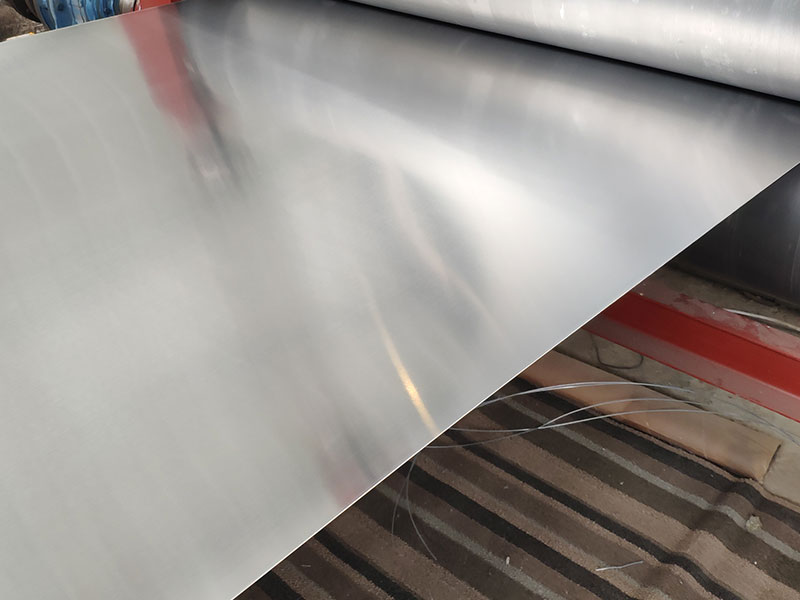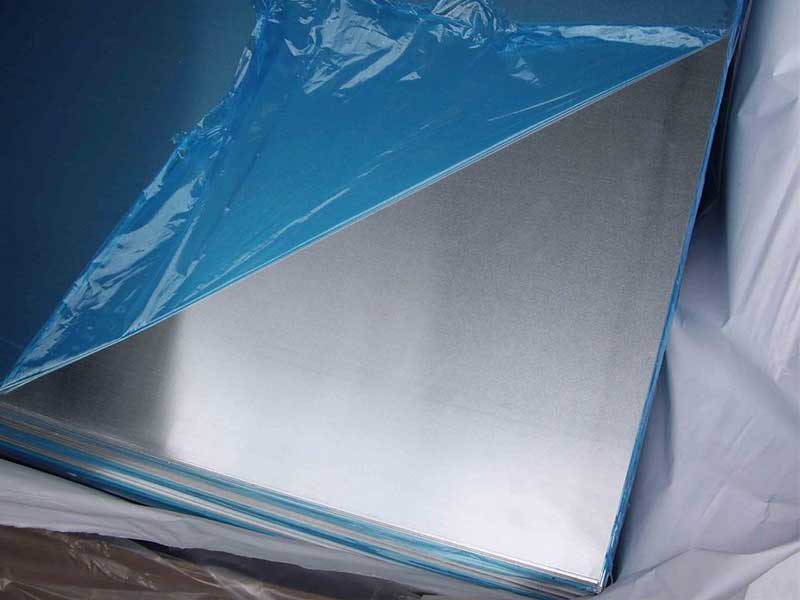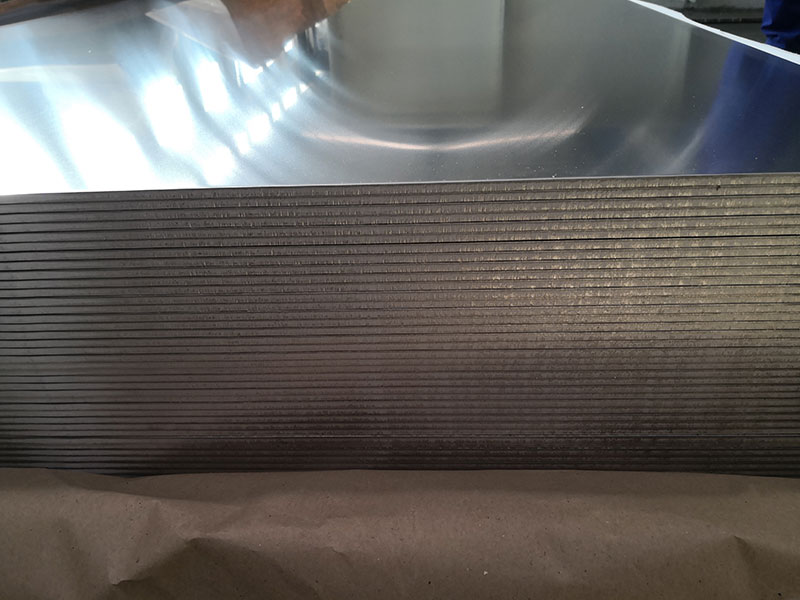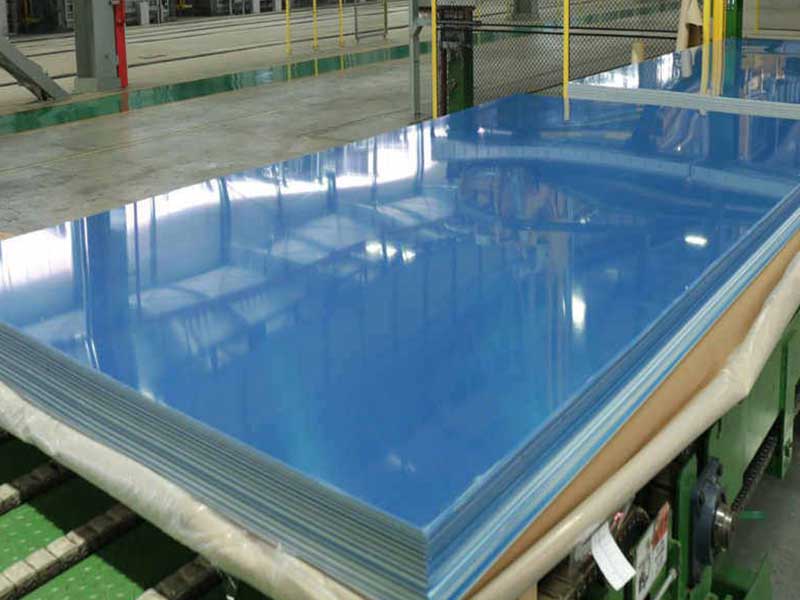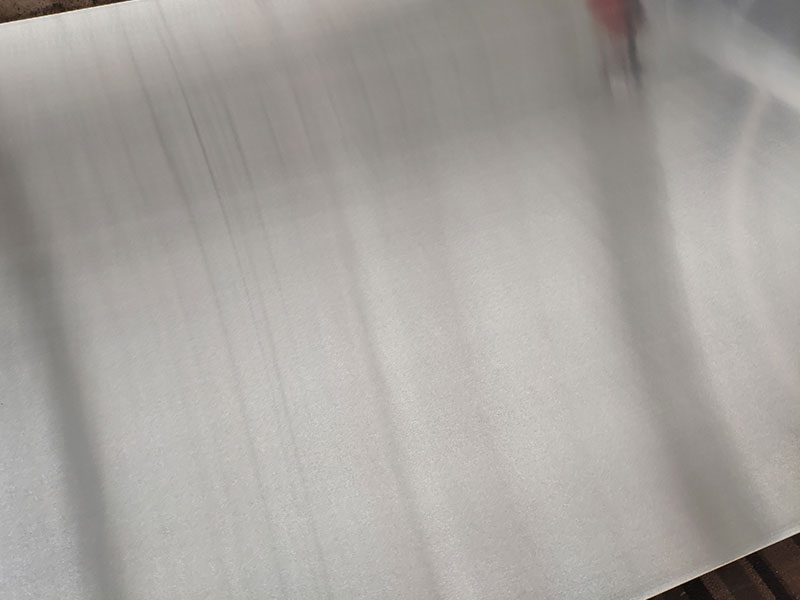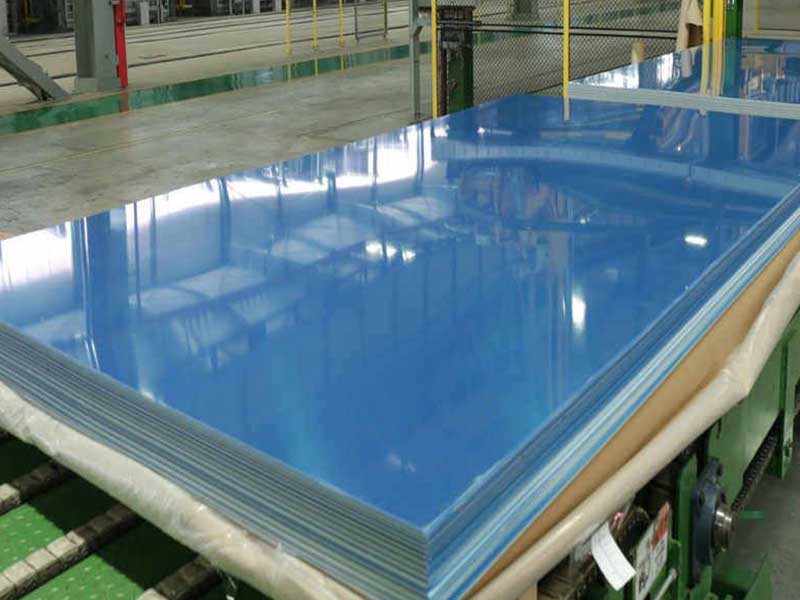

5052 5052 aluminum sheets
5052 aluminum sheets are among the most widely used non-heat-treatable aluminum products in industrial and commercial markets. Known for their excellent corrosion resistance, strong formability, and reliable medium-strength performance, 5052 sheets are a preferred choice for applications exposed to moisture, marine atmospheres, chemicals, and repeated fabrication.
For customers looking for a practical balance between strength, workability, and durability, 5052 aluminum sheet offers outstanding value. It performs especially well where bending, shaping, welding, and long-term corrosion resistance are more important than maximum hardness.
5052 belongs to the aluminum-magnesium alloy family. Magnesium is the primary alloying element, giving this grade higher strength than many general-purpose aluminum alloys while maintaining very good ductility. Compared with 1100 or 3003 aluminum sheet, 5052 provides better strength. Compared with 6061, it often offers superior corrosion resistance and easier forming in sheet applications.
This alloy is commonly supplied in tempers such as H32, H34, O, and H38, depending on the desired balance of strength and formability. In sheet form, it is widely used in transportation panels, fuel tanks, pressure vessels, architectural components, marine structures, and electronic enclosures.
Features of 5052 Aluminum Sheets
5052 aluminum sheets is know because they combine several practical advantages in a single material.
| Feature | Description | Customer Benefit |
|---|---|---|
| Excellent corrosion resistance | Performs very well in marine, humid, and mildly chemical environments | Longer service life and reduced maintenance |
| Good formability | Suitable for bending, rolling, stamping, and deep drawing | Easier fabrication for complex parts |
| Medium-to-high strength | Stronger than 1100 and 3003 alloys | Better structural reliability in lightweight designs |
| Good weldability | Compatible with common welding methods | Efficient manufacturing and assembly |
| Low density | Lightweight compared with steel and many other metals | Reduced total equipment weight |
| Good surface finish | Supports anodizing and decorative finishing in many applications | Attractive appearance and better product consistency |
| Non-heat-treatable stability | Strength is mainly adjusted by work hardening | Predictable performance in fabrication |
Chemical Composition
The chemical composition of 5052 aluminum sheet is carefully controlled to ensure stable performance in corrosion resistance, strength, and processing behavior.
| Element | Composition (%) |
|---|---|
| Aluminum (Al) | Balance |
| Magnesium (Mg) | 2.2–2.8 |
| Chromium (Cr) | 0.15–0.35 |
| Silicon (Si) | 0.25 max |
| Iron (Fe) | 0.40 max |
| Copper (Cu) | 0.10 max |
| Manganese (Mn) | 0.10 max |
| Zinc (Zn) | 0.10 max |
| Others, each | 0.05 max |
| Others, total | 0.15 max |
Magnesium is the most important strengthening element in this alloy. Chromium helps improve corrosion resistance and contributes to microstructural stability. The low copper content is especially important, because it supports the excellent anti-corrosion behavior for which 5052 is known.
Mechanical Properties
Mechanical values vary with temper and thickness, but the following table shows typical performance levels for commonly supplied sheet tempers.
| Temper | Tensile Strength (MPa) | Yield Strength (MPa) | Elongation (%) | Typical Character |
|---|---|---|---|---|
| O | 170–215 | 65–100 | 20–25 | Soft, highly formable |
| H32 | 210–260 | 130–180 | 10–16 | Balanced strength and formability |
| H34 | 230–280 | 160–210 | 8–14 | Higher strength, moderate forming |
| H38 | 255–305 | 190–240 | 6–10 | High work-hardened strength |
For many buyers, H32 is the most popular choice because it delivers a strong mix of forming capability and mechanical performance. O temper is preferred when severe bending or deep drawing is required. H34 and H38 are often selected when higher strength is needed and forming demands are lower.
Physical Properties
The physical characteristics of 5052 aluminum sheet make it attractive for lightweight design and efficient fabrication.
| Property | Typical Value |
|---|---|
| Density | 2.68 g/cm³ |
| Melting range | 607–649°C |
| Elastic modulus | 70.3 GPa |
| Electrical conductivity | ~35% IACS |
| Thermal conductivity | ~138 W/m·K |
| Coefficient of thermal expansion | 23.8 × 10⁻⁶ /°C |
Its relatively low density helps designers reduce mass without sacrificing too much strength. Good thermal conductivity also supports use in enclosures, panels, and heat-dissipating structures.
Common Product Specifications
5052 aluminum sheets are available in a broad range of dimensions to suit different fabrication needs.
| Item | Typical Range |
|---|---|
| Thickness | 0.2 mm – 6.0 mm |
| Width | 500 mm – 2600 mm |
| Length | 1000 mm – 8000 mm |
| Surface | Mill finish, brushed, anodized, coated |
| Temper options | O, H32, H34, H38 |
| Standards | ASTM B209, EN 485, JIS H4000 |
Custom sizes are often available for OEM production, reducing scrap loss and improving processing efficiency.
Processing Performance
One of the biggest reasons customers choose 5052 aluminum sheet is its excellent fabrication behavior.
| Processing Method | Performance |
|---|---|
| Bending | Excellent |
| Stamping | Good to excellent |
| Deep drawing | Good, especially in O temper |
| Welding | Excellent |
| Machining | Fair |
| Anodizing | Good |
| Polishing | Good |
5052 is especially valued in sheet metal workshops because it bends cleanly and resists cracking better than some higher-strength aluminum grades. It also welds well with common arc welding processes, making it suitable for tanks, cabinets, and structural sheet assemblies.
Machining is possible, but it is not the first choice for heavily machined parts. For components requiring extensive cutting and precision machining, other alloys may sometimes be more efficient.
Typical Applications
5052 aluminum sheets are used across many industries because of their versatility and durability.
| Industry | Typical Applications |
|---|---|
| Marine | Boat hull parts, decking, cabin panels, fuel tanks |
| Transportation | Truck bodies, trailers, vehicle panels, flooring |
| Construction | Curtain walls, roofing panels, facades, cladding |
| Electronics | Enclosures, chassis, cabinets, covers |
| Chemical equipment | Storage tanks, piping covers, containers |
| Appliances | Refrigerator liners, washing machine panels, kitchen equipment |
| General fabrication | Nameplates, signs, sheet metal parts, brackets |
In marine environments, 5052 is especially appreciated for its resistance to saltwater corrosion. In transportation, it helps reduce vehicle weight while maintaining adequate strength. In architectural applications, it offers a clean appearance and long-term weather resistance.
Why Customers Choose 5052 Aluminum Sheets
Customers often select 5052 when they need a sheet material that can be formed easily, welded reliably, and used outdoors or in humid conditions without rapid degradation. It is not the hardest aluminum alloy, but it is one of the most practical.
| Selection Priority | Why 5052 Fits |
|---|---|
| Corrosion resistance | Excellent in marine and industrial atmospheres |
| Forming performance | Suitable for curved, bent, and stamped components |
| Weight reduction | Much lighter than steel |
| Welded structures | Good weld integrity and fabrication convenience |
| Cost-performance | Strong all-around value for many sheet applications |
Comparison with Other Aluminum Alloys
A quick comparison helps buyers understand where 5052 fits in the market.
| Alloy | Main Advantage | Compared with 5052 |
|---|---|---|
| 1100 | Very high ductility | Lower strength than 5052 |
| 3003 | Good general-purpose corrosion resistance | Lower strength than 5052 |
| 5083 | Higher marine strength | Stronger, but often less formable and more specialized |
| 6061 | Heat-treatable structural strength | Better machinability, but usually lower sheet-forming ease and corrosion performance in some environments |
5052 often occupies the ideal middle ground. It is stronger than basic commercial-purity alloys, easier to form than many structural grades, and more corrosion-resistant than several alternatives used in general manufacturing.
Buying Considerations
When selecting 5052 aluminum sheets, customers should focus on the actual service environment and fabrication route.
| Consideration | Recommendation |
|---|---|
| Heavy forming needed | Choose O or H32 temper |
| Higher panel strength needed | Choose H34 or H38 |
| Marine or outdoor use | 5052 is highly suitable |
| Welded tank or enclosure | 5052 is a strong option |
| Precision machined part | Evaluate whether another alloy is more suitable |
Thickness tolerance, flatness, surface finish, and protective packaging should also be confirmed before ordering, especially for decorative panels or automated processing lines.
https://www.aluminumplate.net/a/5052-5052-aluminum-sheets.html