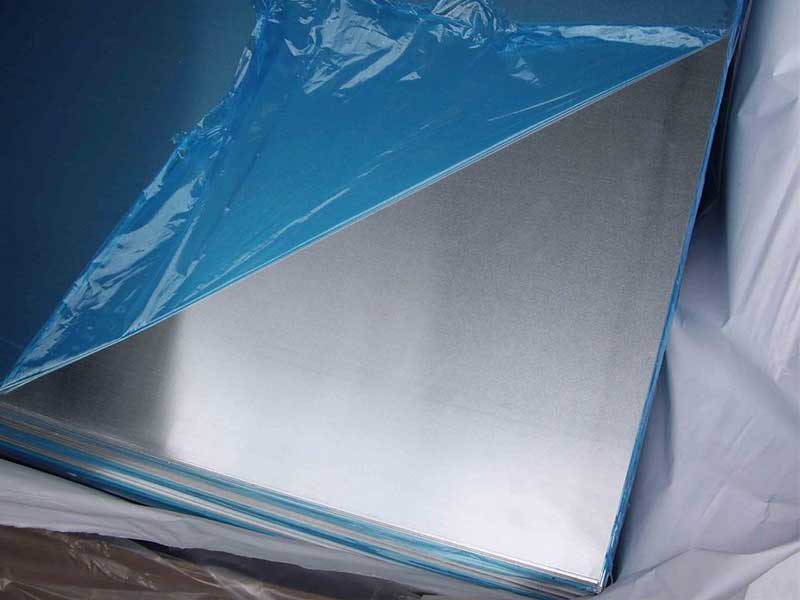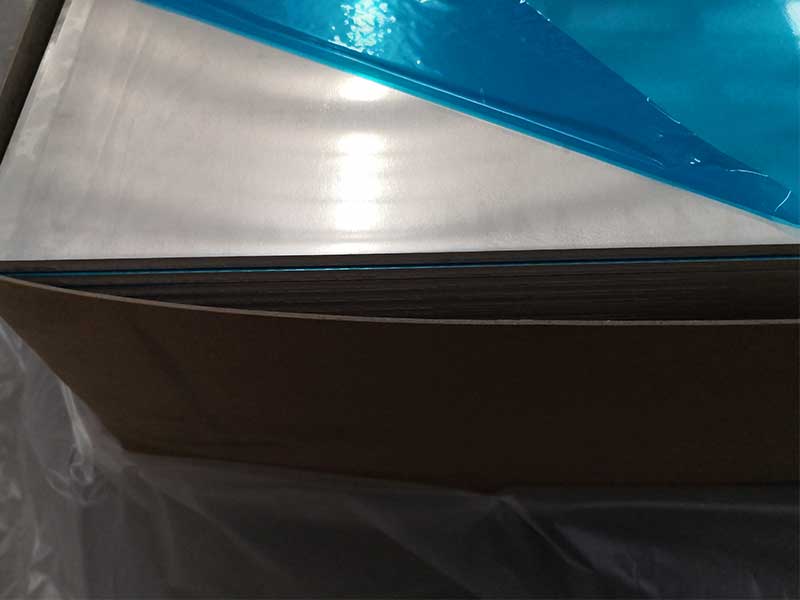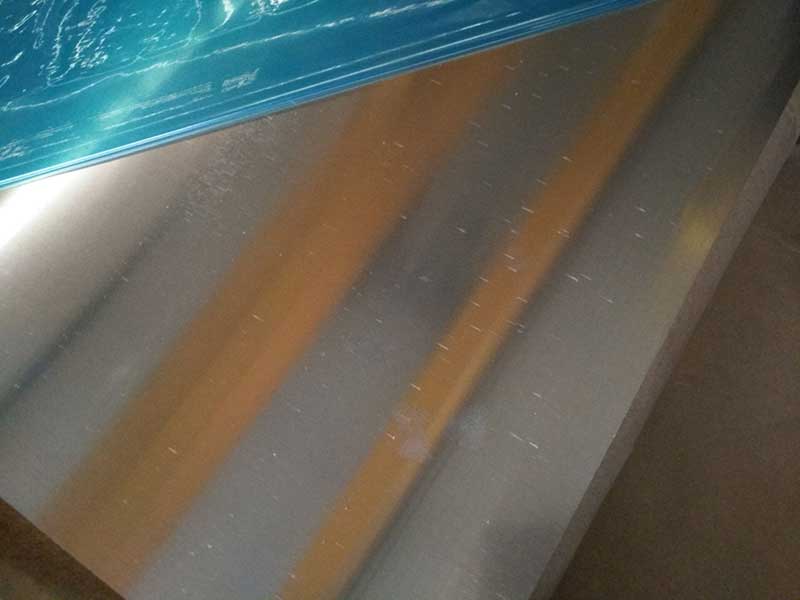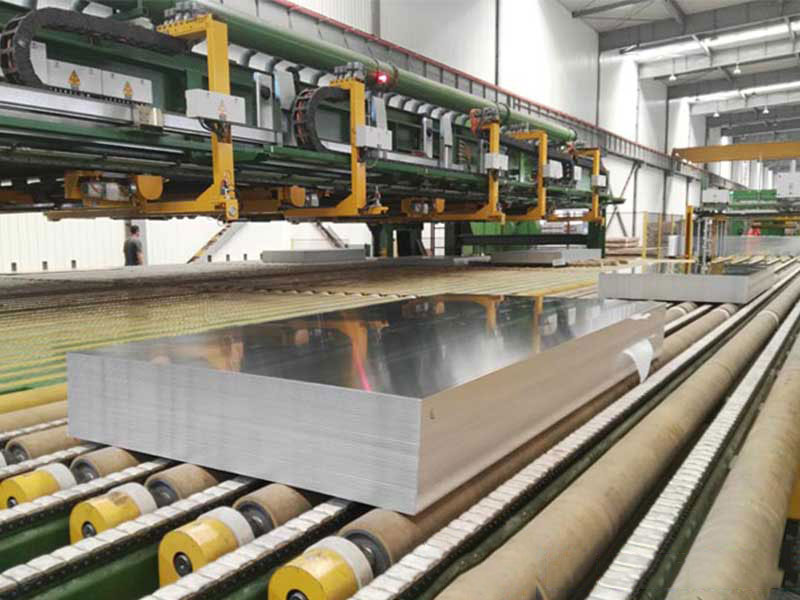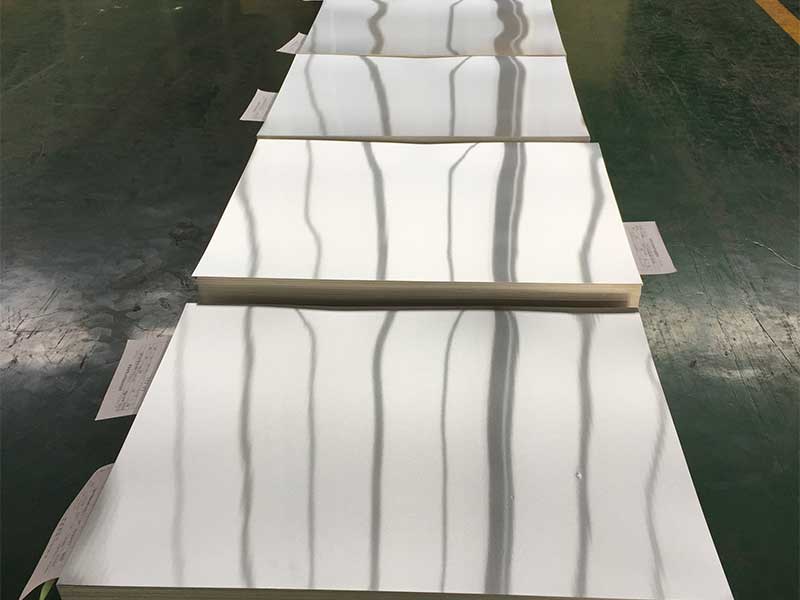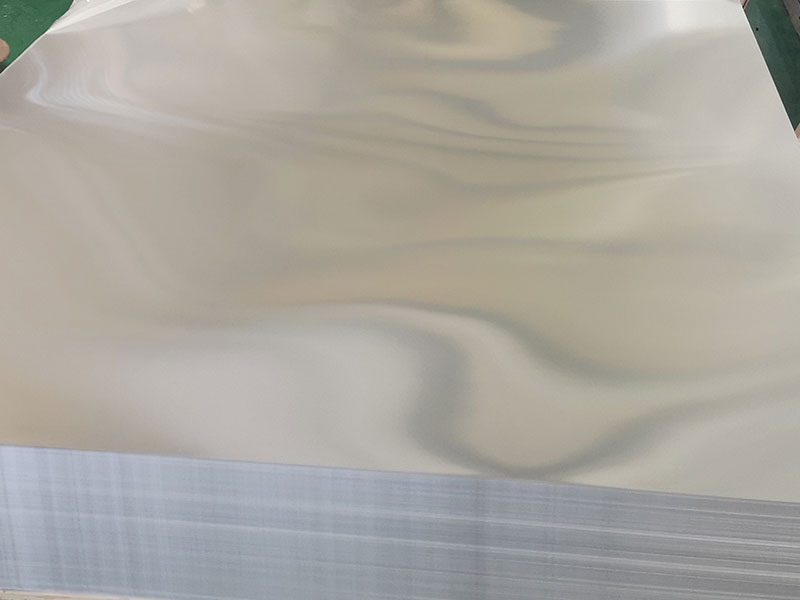

5052 aluminum sheet for car pedal
5052 Aluminum Sheet for Car Pedals: A "Driver-to-Factory" View of What Really Matters
When people choose material for a car pedal (accelerator, brake, clutch, or a pedal face cover), they often start with a simple checklist: "strong, light, corrosion-resistant." That's correct-but incomplete. A better way to judge pedal material is to trace the pedal's real life: shoe contact → dirt and water → vibration → repeated loading → long-term appearance. From that viewpoint, 5052 aluminum sheet becomes a very practical choice, not because it is "fancy," but because it fits the messy, repetitive reality of pedals.
1) The Pedal Is a Corrosion Test, Not a Lab Sample
Pedals live where water, road salt, wet shoes, cleaning chemicals, and grime concentrate. In this environment, 5052 (Al-Mg alloy) stands out for its excellent corrosion resistance, especially compared with many general-purpose aluminums.
What this means for customers:
- Better durability in humid/coastal regions or snowy areas with salt.
- Less risk of pitting and ugly surface breakdown over time.
- More stable appearance for brushed, textured, or anodized finishes.
2) "Grip" Is a Surface Problem-5052 Helps You Engineer It
A pedal is not just a plate; it's a traction interface. The material has to accept surface patterns and finishing that support grip.
5052 sheet is friendly to common pedal-surface solutions:
- Embossing / tread patterns (for anti-slip)
- Perforation (for weight and style)
- Brushing (for a clean metallic look)
- Anodizing (for improved wear resistance and color options, depending on finish goals)
Distinctive advantage: 5052 has good formability, so it handles pattern forming and bending without cracking as easily as some higher-strength alloys.
3) Formability = Fewer Production Problems (and Fewer Hidden Costs)
Many pedal designs require:
- Edge flanges
- Bends
- Curved faces
- Mounting tabs or wraps
5052 is widely used in fabrication because it bends and forms reliably. From a production perspective, that means:
- Lower scrap rate
- More consistent dimensions
- Cleaner edges after forming
- Better repeatability for batches
For customers, this often translates to more stable quality and fewer "mystery issues" during installation.
4) Strength Where It Counts-Without Overbuilding
Pedals require enough strength for repeated loading, but the pedal face or cover does not need to be extremely high-strength aerospace plate. 5052-H32 / H34 tempers are commonly chosen because they balance:
- Strength for daily use
- Good fatigue behavior in thin sheet applications
- Good bend performance
In simple terms: 5052 gives you "strong enough" with excellent manufacturability-often the best value point for pedal parts.
5) Lightweight Isn't Just Marketing-It Affects Feel
A lighter pedal assembly can slightly improve mechanical response and reduce inertial feel in some designs (especially in motorsport-style pedal boxes or modified assemblies). While the weight difference may not transform a commuter car, it matters for:
- Performance builds
- Aftermarket pedal kits
- Designs targeting a precise, "tight" pedal feel
5052 makes lightweight design easier because it performs well in thinner gauges and formed shapes.
Recommended 5052 Sheet Choices for Pedal Applications (Practical Guide)
Common customer-friendly options:
- Alloy/Temper: 5052-H32 (most common balance)
- Thickness: often 1.5–3.0 mm for pedal faces/covers (depends on structure and design)
- Surface: mill finish for forming + later finishing, or brushed finish for visible parts
- Fabrication: laser cutting, punching, stamping, bending; optional embossing and anodizing
If the part requires complex bends, choose a temper that supports forming; if the part is mostly flat and needs more stiffness, a slightly harder temper may help.
When 5052 Is the Right Pedal Material
Choose 5052 aluminum sheet for car pedals if you want:
- Corrosion resistance in real-world wet/dirty use
- Easy forming for bends and shaped pedal faces
- A good base for anti-slip textures and clean finishes
- A reliable, cost-effective alloy widely available in sheet form
Bottom line: From the perspective of a pedal's real working life-wet shoes, grit, vibration, and repeated steps-5052 is less about "lightweight aluminum" and more about consistent, durable performance that manufacturers can form and finish predictably.
https://www.aluminumplate.net/a/5052-aluminum-sheet-for-car-pedal.html