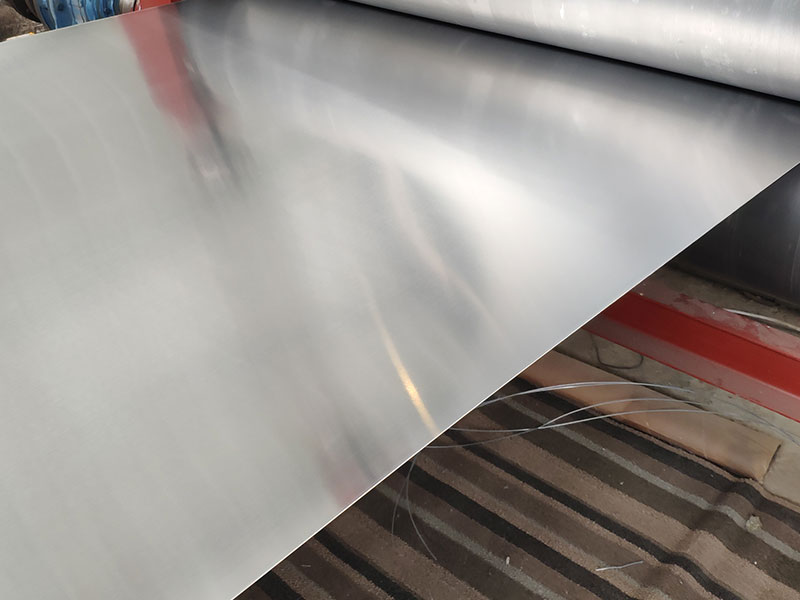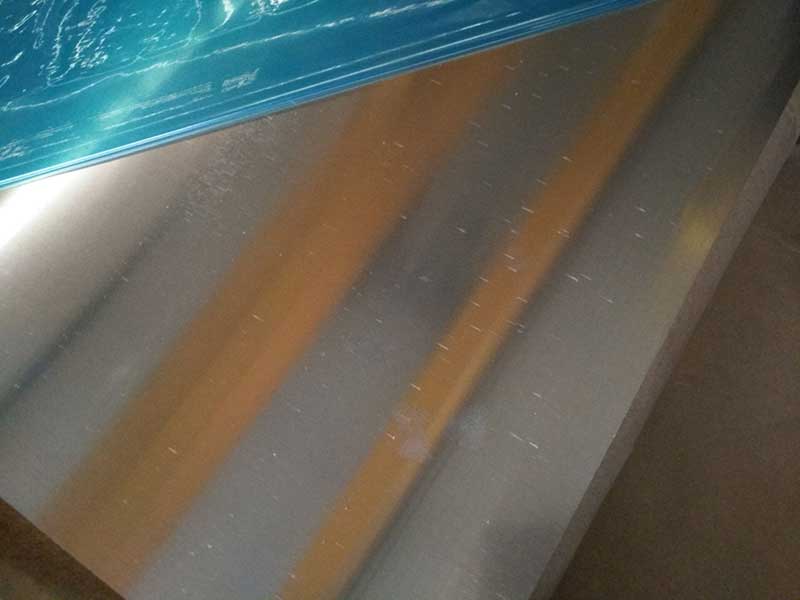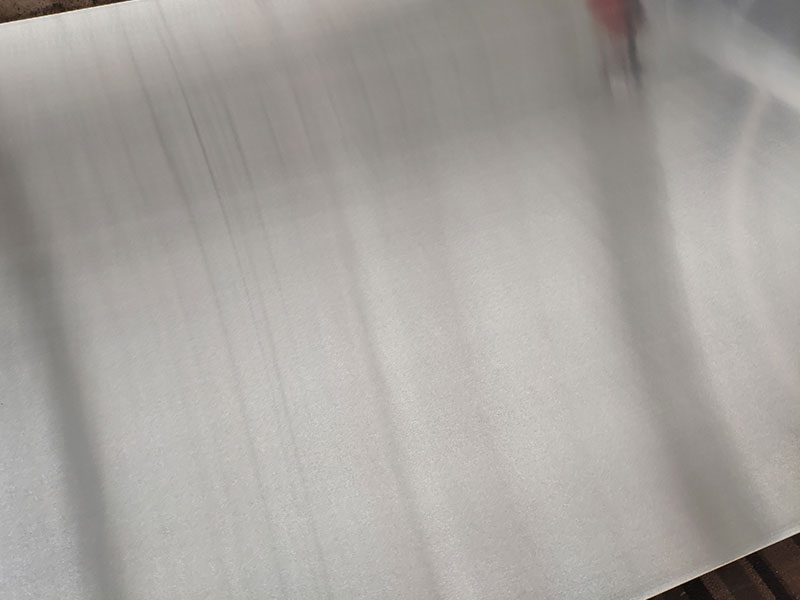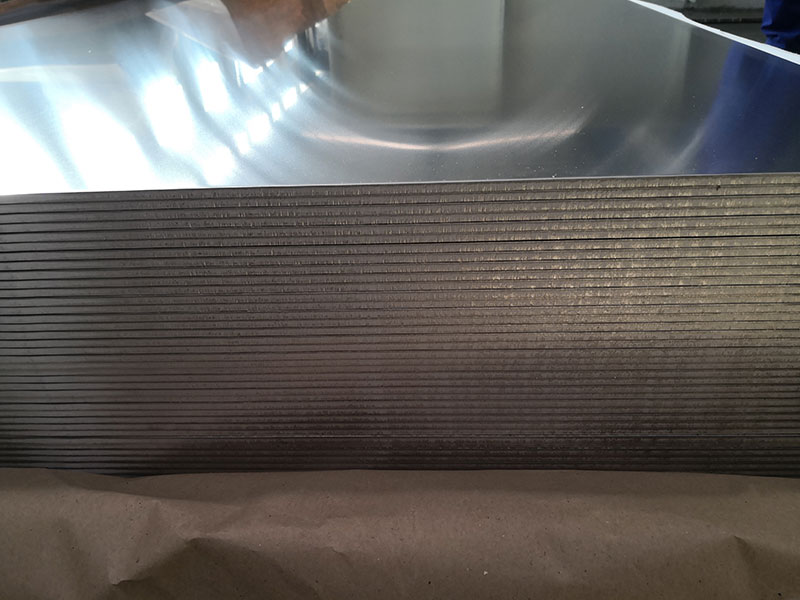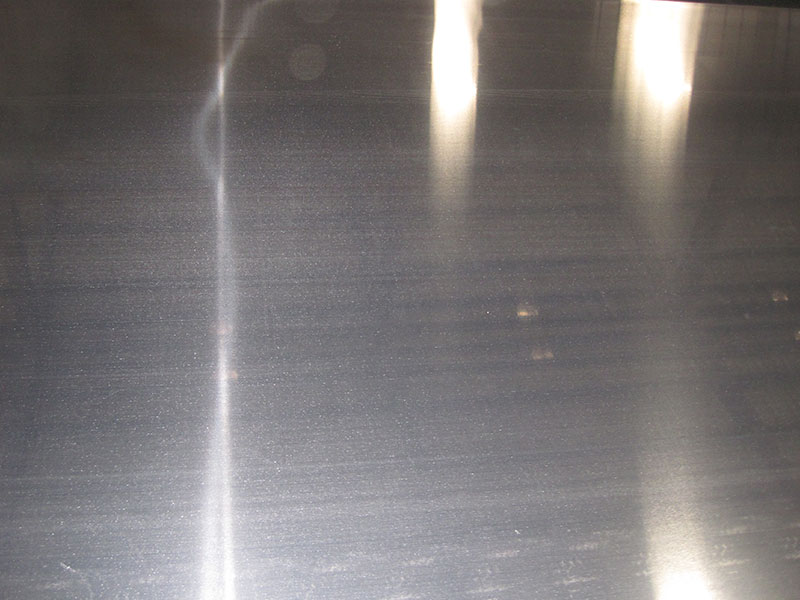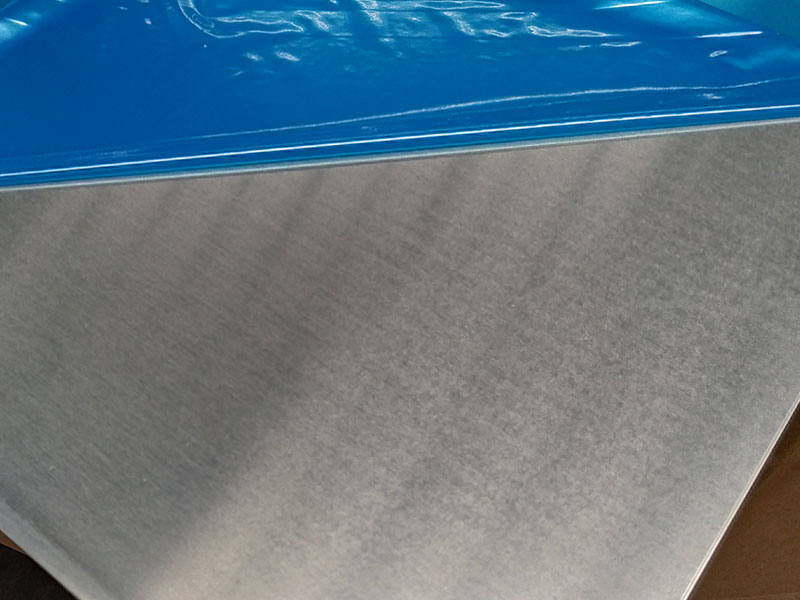

Aluminum sheet 0.5mm 0.9mm 0.6mm 1050 1100 3003 H14
Aluminum sheets with thicknesses of 0.5mm, 0.6mm, and 0.9mm in grades 1050, 1100, and 3003 H14 temper play a vital role in numerous industrial, architectural, and commercial uses due to their outstanding mechanical properties, corrosion resistance, and excellent workability. These aluminum alloys offer a blend of high purity, moderate strength, and excellent formability that suits broad applications from packaging and construction to automotive components.
Features & Benefits of Aluminum Sheet 1050, 1100, and 3003 H14
| Feature | Details |
|---|---|
| Thickness Range | 0.5mm, 0.6mm, 0.9mm |
| Alloys | 1050, 1100 (Commercially Pure), 3003 (Mn alloyed) |
| Temper | H14 (strain-hardened, partially annealed – medium hardness) |
| Surface Finish | Mill finish, smooth surface, good for further processing |
| Corrosion Resistance | Excellent in 1050 & 1100 due to high purity; good in 3003 owing to Mn addition |
| Mechanical Strength | Moderate (1050 & 1100), enhanced in 3003 |
| Formability | Superior, especially in soft annealed temper |
| Weldability | Good - suitable for brazing, spot welding, and TIG/MIG |
| Common Standards | ASTM B209 (sheet and plate), JIS H4100, EN 485-2 |
Common Applications
The combination of these alloys and thicknesses caters well to diverse sectors:
1050 Aluminum Sheet
High-purity (99.5%) aluminum offering supreme corrosion resistance, electrical and thermal conductivity. Common in electrical cables wraps, kitchenware, packaging foil, chemical processing equipment.1100 Aluminum Sheet
Similar purity but final tempering expands slightly on strength and machinability. Widely used in signage, decorative lighting, fuel tanks, and roofing panels.3003 Aluminum Sheet
Alloyed with ~1.2% manganese, achieving a homogeneous fine grain for mechanical toughness. Thick enough for autos and architectural cladding, siding, gutters, and HVAC ducting while remaining light and rust-resistant.
Specific to thickness ranges (0.5/0.6/0.9mm), these sheets balance rigidity and weight exquisitely, making them perfect for light shell elements, internal panels, foil stock basics, and finely worked metal art-where precision and smooth textures matter significantly.
Technical Specifications and Temper Conditions
Each grade undergoes precise processing to achieve H14 temper status, generally combining work hardening and controlled annealing below peak hardness, optimizing ductility and practical strength.
| Parameter | 1050 | 1100 | 3003 |
|---|---|---|---|
| Alloy Composition | > 99.50% Al | ≥ 99.00% Al | Al + 1.0-1.5% Mn + ≤0.10% Cu |
| Temper | H14 (strain-harden, half-hard) | H14 (same) | H14 (same) |
| Tensile Strength (MPa) | 65 - 120 | 70 - 130 | 130 - 180 |
| Yield Strength (MPa) | 35 - 90 | 40 - 100 | 110 - 145 |
| Elongation (%) | 6 - 12 | 6 - 12 | 12 - 16 |
| Density (g/cm³) | 2.71 | 2.71 | 2.73 |
| Thermal Conductivity (W/m-K) | 215 - 220 | 220 - 225 | 170 - 200 |
Note: The reported numbers under strain-hardened H14 temper provide a balance avoiding brittleness common in full hard temper.
Chemical Composition (%) – Alloy Compared
| Element | 1050 | 1100 | 3003 |
|---|---|---|---|
| Aluminum (Al) | ≥ 99.50 | ≥ 99.00 | Balance |
| Copper (Cu) | 0.05 | 0.05 | ≤ 0.10 |
| Iron (Fe) | 0.40 | 0.95 | 0.70 |
| Manganese (Mn) | 0.05 | 0.05 | 1.0 – 1.5 |
| Silicon (Si) | 0.25 | 0.95 | 0.60 |
| Zinc (Zn) | 0.10 | 0.10 | ≤ 0.10 |
| Others | 0.03 | 0.15 | 0.30 |
Implementation Standards & Quality Assurance
- ASTM B209 (Standard Specification for Aluminum and Aluminum-Alloy Sheet and Plate) serves as the primary quality and dimension control reference.
- JIS H4100 (Japanese Industrial Standard for wrought aluminum alloys)
- EN 485-2 (European Standard for mechanical properties)
Every batch complies with strict flatness tests, thickness tolerance fitting customer application needs, and excellent surface property requirements suitable for coatings, anodizing, etc.
Handling & Processing Tips
- Perform bending and shaping at room temperature to optimize ductility; avoid overstraining to prevent fissures.
- Use compatible welding technology (TIG or MIG preferred) for structural fabrications especially on the 3003 alloy to ensure high integrity.
- If painting or anodizing, use cleaned specimens to maximize coating adherence and aesthetics.
https://www.aluminumplate.net/a/aluminum-sheet-05mm-09mm-06mm-1050-1100-3003-h14.html