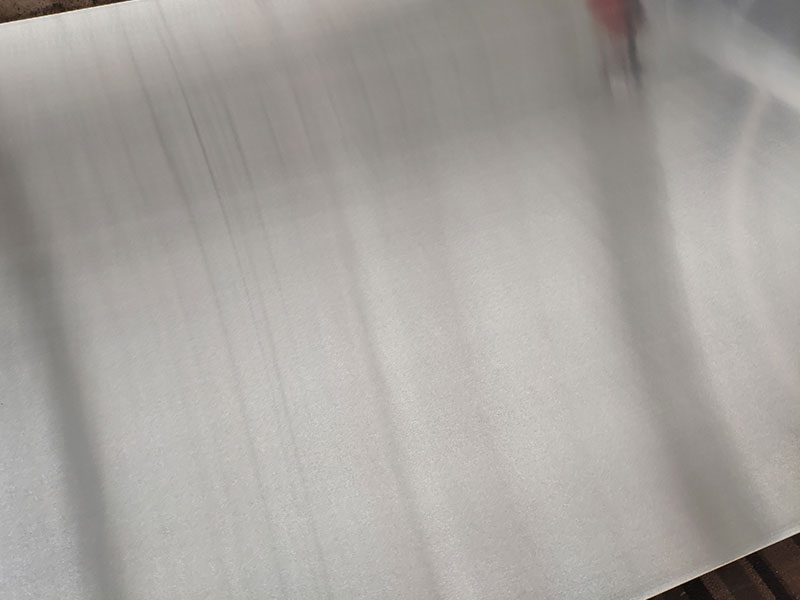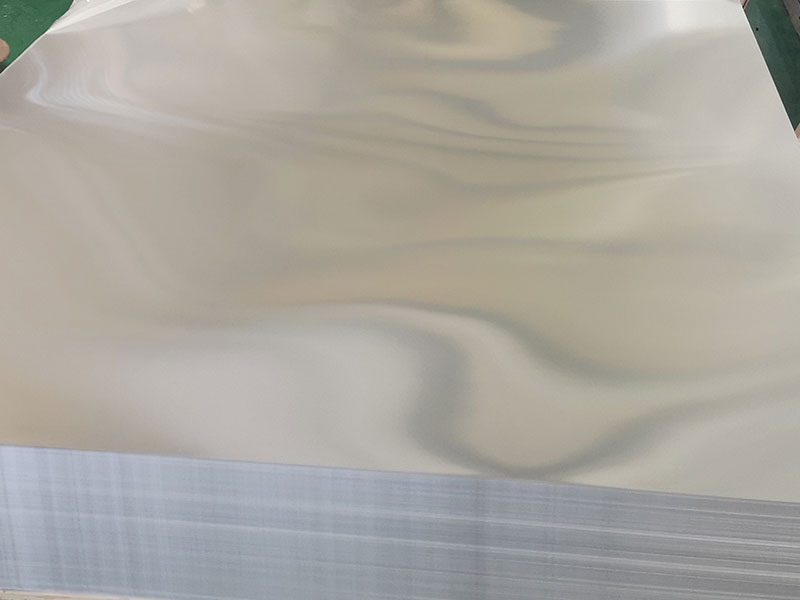

Polished Thin Aluminum Sheet 1050, 3003, 5052, 6061
Polished thin aluminum sheet is a high-value semi-finished product designed for applications where appearance, formability, and corrosion performance must coexist with tight thickness control and reliable mechanical properties. This product range-covering 1050, 3003, 5052, and 6061-offers a practical "menu" of alloys from ultra-formable commercial-purity aluminum to structural-grade heat-treatable material.
With controlled rolling, leveling, and polishing, these sheets deliver a clean, reflective surface suitable for visible components, precision fabrication, and demanding environments (humidity, salt spray, industrial atmospheres). Customers can choose the alloy that best matches forming complexity, strength targets, and corrosion exposure-without sacrificing surface quality.
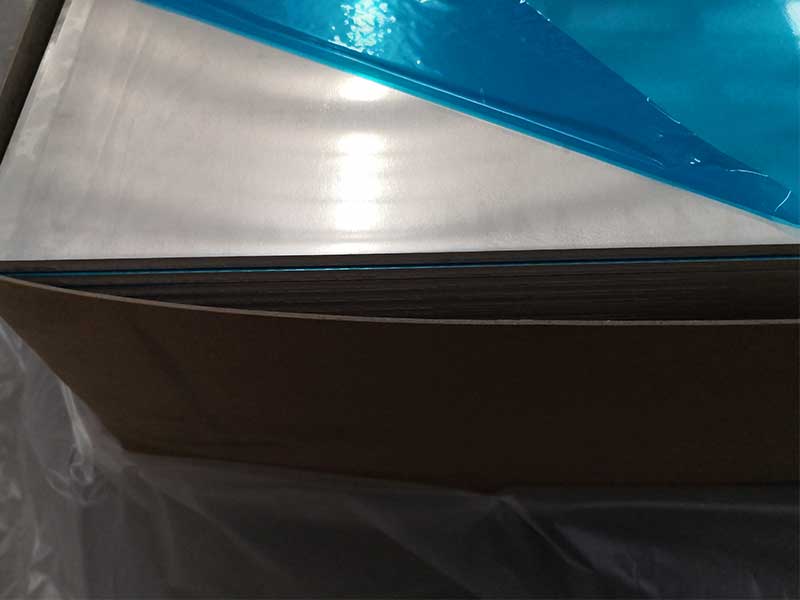
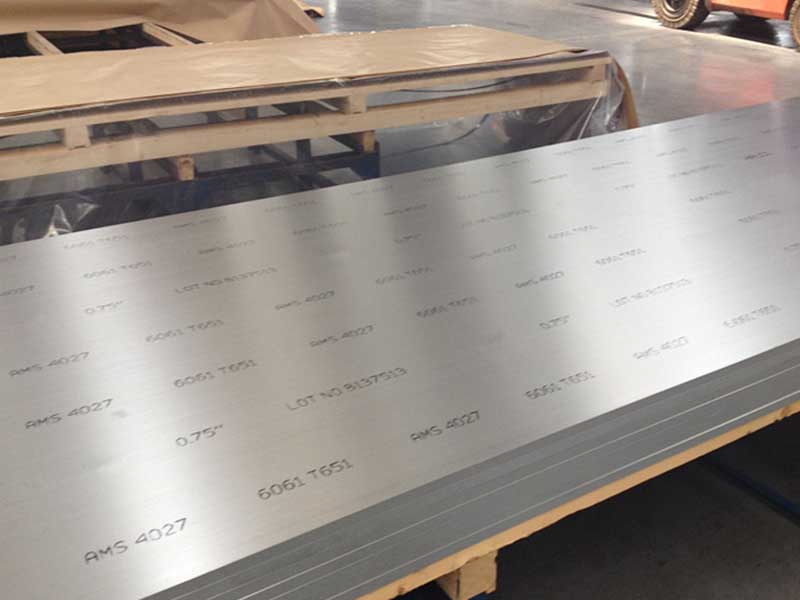
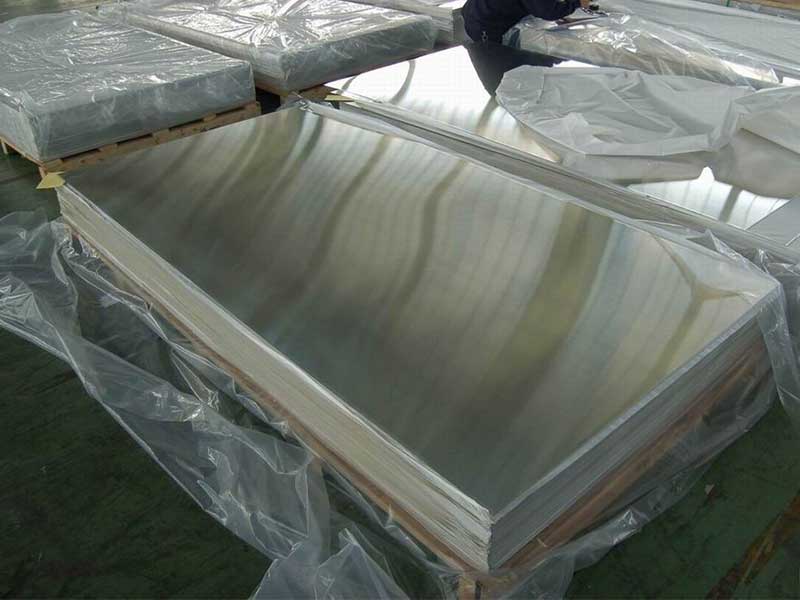
Polished Thin Aluminum Sheet typically refers to aluminum sheet produced in thin gauges, then mechanically polished (and optionally protected with film) to achieve consistent surface brightness and reduced roughness.
Alloy selection at a glance
- 1050: maximum ductility and conductivity; best for deep drawing and decorative work.
- 3003: excellent general-purpose forming with better strength than 1050.
- 5052: superior corrosion resistance (especially marine/industrial) with medium strength.
- 6061: highest strength option in this group; suited to machined and structural parts.
Features & Customer Benefits
| Feature | What it means in practice | Customer benefit |
|---|---|---|
| Polished surface (bright, uniform) | Controlled polishing/finishing reduces visible roll marks | Better aesthetics for exposed panels, trims, signage |
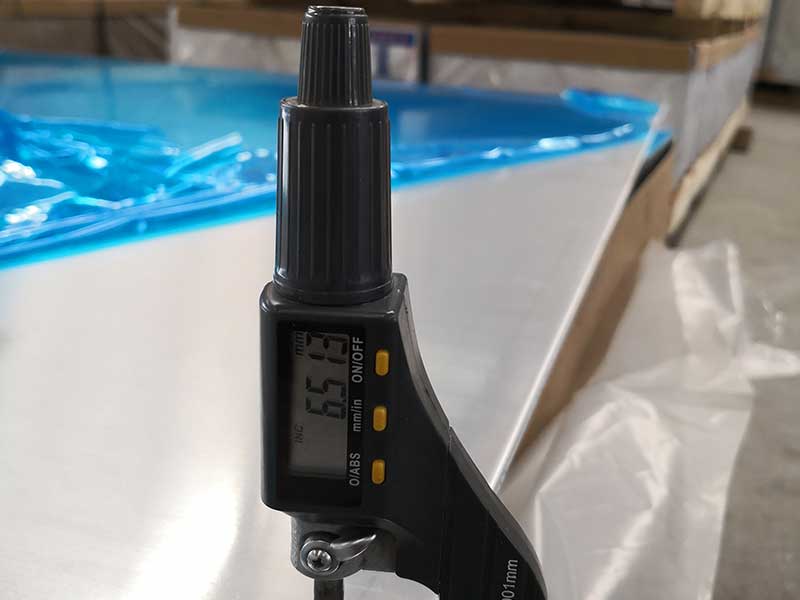
| Thin-gauge precision | Stable thickness and flatness control | Predictable forming, easier assembly, less rework |
| Alloy flexibility (1050/3003/5052/6061) | Choice of purity, Mn/Mg strengthening, or heat-treatability | Optimize cost vs strength vs corrosion resistance |
| Excellent corrosion behavior (especially 1050/3003/5052) | Naturally forming oxide layer; 5052 excels in chloride atmospheres | Longer service life, lower maintenance |
| Good fabrication compatibility | Suitable for cutting, stamping, bending, and many joining routes | Higher yield in production, fewer defects |
| Protective film option | PE/PVC film prevents handling scratches | Cleaner appearance at installation time |
Typical Applications (Choose by Real-World Needs)
| Industry | Use cases | Recommended alloy(s) |
|---|---|---|
| Architectural & interior | Decorative panels, ceiling systems, trims, reflectors | 1050, 3003 |
| Appliance & consumer goods | Covers, housings, liners, nameplates | 3003, 5052 |
| Transportation | Interior panels, brackets, non-structural skins | 3003, 5052 |
| Marine & coastal | Panels, equipment covers, corrosion-critical enclosures | 5052 |
| Industrial equipment | Guards, ducts, housings, light-duty tanks | 3003, 5052 |
| Machinery/fixtures | Base plates, brackets, machined parts | 6061 |
| Signage & display | Back panels, polished graphics substrates | 1050, 3003 |
Alloy-by-Alloy Performance Notes
1050 (Commercial Purity Aluminum)
- Strength: lowest among the four, but adequate for non-structural parts.
- Formability: outstanding-ideal for deep drawing and complex forming.
- Conductivity/reflectivity: best choice when brightness and conductivity matter.
3003 (Al-Mn Alloy)
- Strength: step up from 1050 while keeping excellent workability.
- General purpose: a "default" selection for fabricated sheet metal parts.
- Weldability: good; common in tanks, panels, and housings.
5052 (Al-Mg Alloy)
- Corrosion resistance: excellent, especially in marine and industrial atmospheres.
- Strength: higher than 3003 with strong fatigue and dent resistance for thin sheet.
- Forming: good, though tighter bends may require larger radii than 1050/3003.
6061 (Al-Mg-Si Heat-Treatable Alloy)
- Strength: highest in this lineup (especially in T6/T651).
- Machinability: good; often selected for parts requiring both sheet forming and machining.
- Corrosion resistance: good overall, though 5052 typically outperforms it in chloride exposure.
Chemical Composition (Typical, wt.%)
Values below are typical ranges aligned with common standards; final composition depends on mill practice and specification.
| Alloy | Al (min) | Si | Fe | Cu | Mn | Mg | Cr | Zn | Ti |
|---|---|---|---|---|---|---|---|---|---|
| 1050 | 99.5 | ≤0.25 | ≤0.40 | ≤0.05 | ≤0.05 | ≤0.05 | - | ≤0.07 | ≤0.05 |
| 3003 | Remainder | ≤0.60 | ≤0.70 | 0.05–0.20 | 1.0–1.5 | - | - | ≤0.10 | ≤0.10 |
| 5052 | Remainder | ≤0.25 | ≤0.40 | ≤0.10 | ≤0.10 | 2.2–2.8 | 0.15–0.35 | ≤0.10 | ≤0.10 |
| 6061 | Remainder | 0.4–0.8 | ≤0.70 | 0.15–0.40 | ≤0.15 | 0.8–1.2 | 0.04–0.35 | ≤0.25 | ≤0.15 |
Mechanical Properties (Typical)
Properties vary with temper, thickness, and processing. Use these as selection guidance rather than design allowables.
| Alloy | Common tempers | Tensile strength (MPa) | Yield strength (MPa) | Elongation (%) |
|---|---|---|---|---|
| 1050 | O, H14 | ~60–110 | ~20–95 | ~5–35 |
| 3003 | O, H14 | ~110–160 | ~40–145 | ~4–30 |
| 5052 | O, H32 | ~170–260 | ~70–215 | ~4–25 |
| 6061 | O, T6 | ~125–310 | ~55–275 | ~8–25 |
How to read this table quickly
- Need deep drawing: prioritize 1050-O or 3003-O.
- Need dent resistance + corrosion in thin gauge: 5052-H32 is a common sweet spot.
- Need high strength and possible machining: 6061-T6.
Technical Specifications (Supply Range & Options)
| Item | Typical offering | Notes |
|---|---|---|
| Alloys | 1050 / 3003 / 5052 / 6061 | Mixed-alloy sourcing available for project builds |
| Thickness | 0.2–6.0 mm (thin sheet focus) | Wider/thicker ranges available by request |
| Width | 100–2000 mm | Slitting supported |
| Length | 500–6000 mm | Also available in coils |
| Temper | O, H12/H14/H16/H18, H32, T4, T6 | Selection depends on forming vs strength |
| Surface finish | Polished (one side or both) | Brightness level can be specified |
| Surface roughness | Controlled (Ra by request) | For visible panels, lower Ra improves clarity |
| Protection | PE/PVC film optional | Recommended for polished decorative parts |
| Standards | ASTM B209 / EN 485 / JIS H4000 (typical) | Confirm per project requirement |
Forming, Joining, and Finishing Guidance
| Process | 1050 | 3003 | 5052 | 6061 |
|---|---|---|---|---|
| Bending/forming | Excellent | Excellent | Good | Fair–Good (temper dependent) |
| Deep drawing | Excellent | Very good | Good | Limited (best in O/T4) |
| Welding | Good | Good | Very good | Good (post-weld strength changes in T6) |
| Anodizing | Excellent | Good | Very good | Excellent |
| Brushing/polishing | Excellent | Excellent | Very good | Very good |
Practical note: polished sheets are susceptible to handling marks. For visible parts, specify protective film, clean gloves, and non-marring tooling.
Why Polished Thin Sheet Adds Value
- Lower total fabrication cost: a consistent polished finish reduces secondary finishing steps for decorative components.
- Faster assembly and better fit-up: controlled flatness and thickness improve repeatability in stamping and forming.
- Longer service life: corrosion-resistant alloy options (notably 5052) maintain appearance and integrity in harsh environments.
- Better product perception: polished aluminum communicates precision and quality-important in consumer goods, interiors, and branded equipment.
Selecting the Right Alloy (Quick Decision Table)
| Priority | Best choice | Reason |
|---|---|---|
| Maximum formability / reflectivity | 1050 | Highest purity → easiest forming and bright finish potential |
| General-purpose sheet metal | 3003 | Balanced cost, strength, and formability |
| Marine/industrial corrosion resistance | 5052 | Mg alloy with excellent chloride performance |
| Strength + machining capability | 6061 | Heat-treatable, strongest of the group |
Polished Thin Aluminum Sheet 1050, 3003, 5052, 6061 delivers a clean, premium surface combined with alloy-specific performance that spans from ultra-formable decorative sheet to high-strength engineered components. By matching alloy and temper to your forming method, corrosion exposure, and strength target, you get a sheet product that improves production stability, enhances appearance, and extends service life-while staying lightweight and recyclable.
https://www.aluminumplate.net/a/polished-thin-aluminum-sheet-1050-3003-5052-6061.html