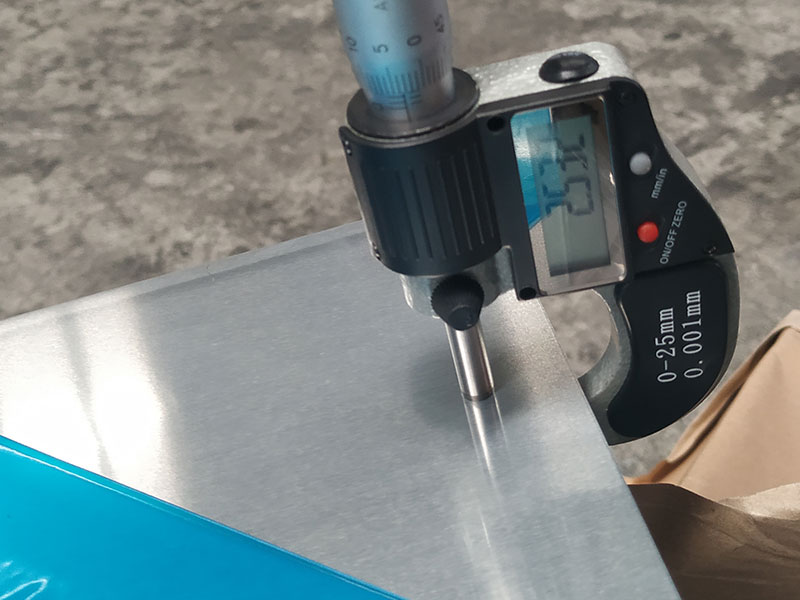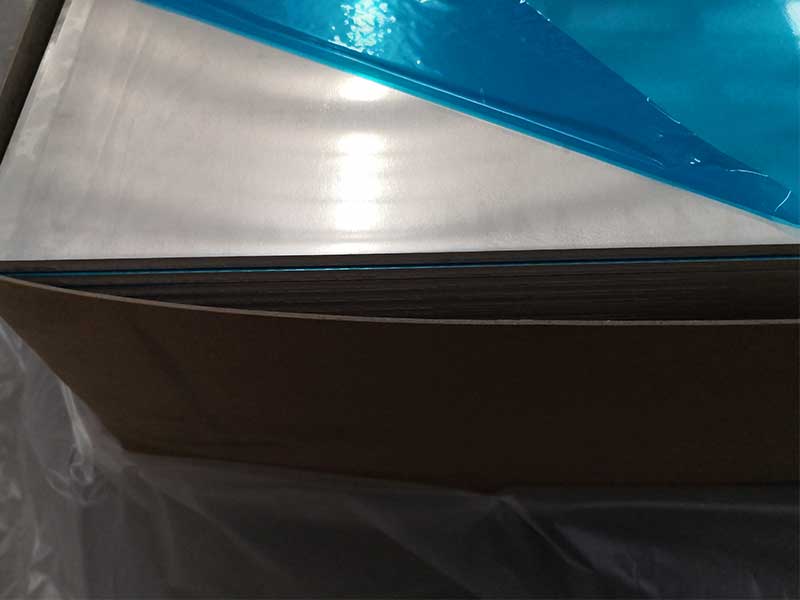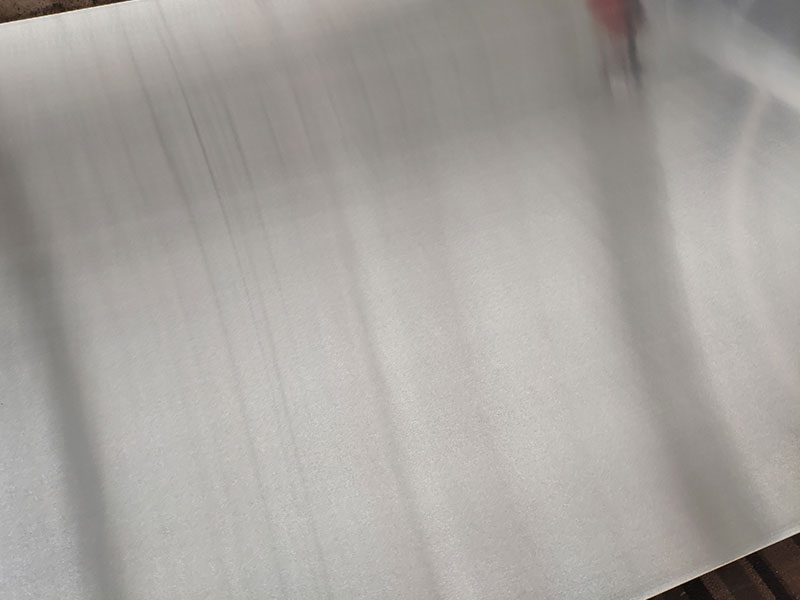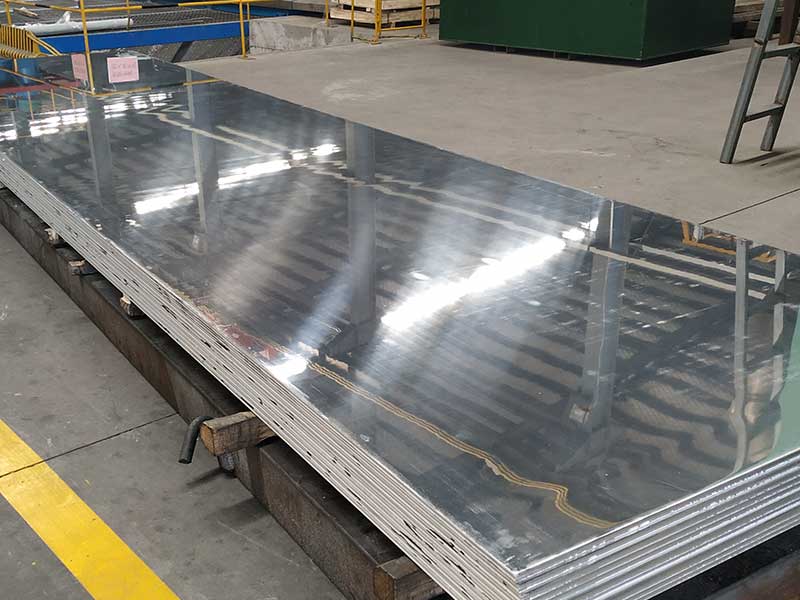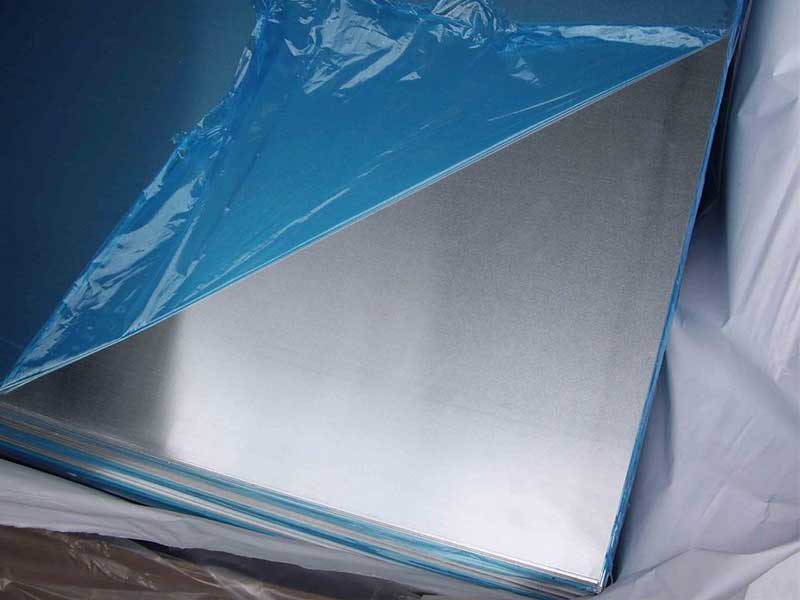

0.5mm 3mm Aluminum Sheet Plate
The 0.5mm–3mm aluminum sheet plate range covers a sweet spot in modern fabrication: thin enough for precision forming and lightweight structures, yet thick enough for reliable stiffness, weldability, and long service life. From architectural cladding and enclosures to transportation panels and machine guards, these gauges are widely selected for their corrosion resistance, clean surface quality, high strength-to-weight ratio, and excellent manufacturability.
Aluminum sheet and plate in 0.5mm to 3mm thickness is commonly supplied as flat sheet, cut-to-length plate, or coil (especially at 0.5mm). The exact "best" choice depends on whether the priority is formability, strength, appearance, or corrosion resistance. In practice, most buyers select from a handful of proven alloy families:
- 1xxx (e.g., 1050/1060) for maximum conductivity and formability
- 3xxx (e.g., 3003) for general-purpose corrosion resistance and forming
- 5xxx (e.g., 5052/5083) for marine-grade corrosion resistance and higher strength
- 6xxx (e.g., 6061/6063) for structural strength and machining/welded assemblies
Why Thickness Matters: 0.5mm vs 3mm
Thickness is not just a dimension-it drives fabrication method, stiffness, dent resistance, and cost.
| Thickness | Typical Supply Form | Strength/Stiffness Feel | Best-fit Use Cases | Common Fabrication |
|---|---|---|---|---|
| 0.5mm | Coil, sheet | Flexible, easily formed | Skins, covers, trims, ducts, decorative panels, insulation jacketing | Bending, stamping, roll-forming, deep drawing (alloy-dependent) |
| 3mm | Sheet/plate | Rigid, robust | Enclosures, brackets, base plates, machine guards, vehicle panels, signage frames | Cutting, punching, welding, CNC machining, forming |
Features
Lightweight with High Strength-to-Weight Value
Aluminum's low density helps reduce overall system mass. This is especially valuable in transportation, portable equipment, and architectural elements where weight impacts installation cost and structural load.
| Material | Density (g/cm³) | Relative Weight vs Steel |
|---|---|---|
| Aluminum | ~2.70 | ~35% |
| Carbon Steel | ~7.85 | 100% |
Corrosion Resistance for Indoor and Outdoor Service
Most aluminum alloys naturally form an oxide layer that resists corrosion. For harsh environments, 5xxx series alloys are frequently chosen for their excellent resistance to salt spray and humidity.
Excellent Forming and Fabrication Range
In 0.5mm, aluminum can be rolled, stamped, and bent into tight radii with the right temper. In 3mm, it offers a stable platform for laser cutting, CNC routing, punching, and welded frames.
Surface Quality for Decorative and Functional Finishes
These sheets can be supplied with mill finish or prepared for anodizing, powder coating, PVDF coating, brushing, or polishing-important for visible architectural and consumer-facing parts.
Typical Alloy Options and Chemical Composition
The table below shows representative compositions for common choices in the 0.5mm–3mm range. Actual limits vary by standard (ASTM/EN/GB/JIS) and supplier certification.
| Alloy | Al (Balance) | Si | Fe | Cu | Mn | Mg | Cr | Zn | Ti | Notes |
|---|---|---|---|---|---|---|---|---|---|---|
| 1050 | ≥99.5% | ≤0.25 | ≤0.40 | ≤0.05 | ≤0.05 | ≤0.05 | - | ≤0.07 | ≤0.05 | Very high formability, high reflectivity |
| 1060 | ≥99.6% | ≤0.25 | ≤0.35 | ≤0.05 | ≤0.03 | ≤0.03 | - | ≤0.05 | ≤0.03 | Great conductivity, soft forming behavior |
| 3003 | Balance | ≤0.60 | ≤0.70 | ≤0.05–0.20 | 1.0–1.5 | - | - | ≤0.10 | ≤0.10 | General-purpose sheet, excellent workability |
| 5052 | Balance | ≤0.25 | ≤0.40 | ≤0.10 | ≤0.10 | 2.2–2.8 | 0.15–0.35 | ≤0.10 | ≤0.10 | Marine-corrosion resistance, good fatigue behavior |
| 6061 | Balance | 0.4–0.8 | ≤0.70 | 0.15–0.40 | ≤0.15 | 0.8–1.2 | 0.04–0.35 | ≤0.25 | ≤0.15 | Structural alloy, strong, machinable, weldable |
Technical Specifications (Supply Range)
Specifications vary by mill and standard, but the ranges below reflect common production capability and ordering practice for 0.5mm–3mm sheet/plate.
| Item | Typical Range / Option |
|---|---|
| Thickness | 0.5mm to 3.0mm |
| Width | 500–2000mm (custom slitting available) |
| Length | 1000–6000mm (cut-to-length) |
| Coil ID | 508mm / 610mm (typical) |
| Temper Options | O, H12, H14, H16, H18, H32, T4, T6 (alloy-dependent) |
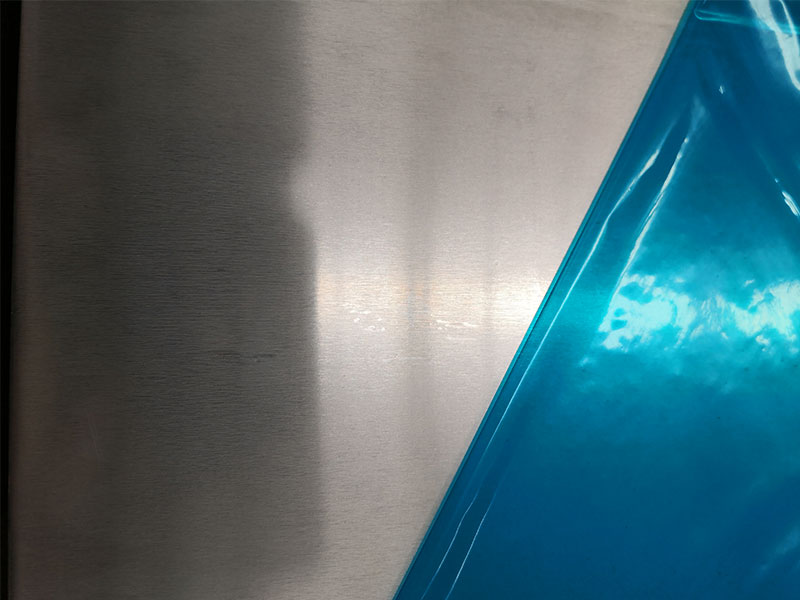
| Surface Finish | Mill finish, brushed, polished, embossed, coated, anodizing-quality |
| Protective Film | PE film optional (single/both sides) |
| Flatness Control | Standard commercial / precision leveling options |
Typical Mechanical Properties (Reference Values)
Mechanical performance depends strongly on alloy and temper. The values below are typical for quick comparison (not a substitute for certified test reports).
| Alloy / Temper | Tensile Strength (MPa) | Yield Strength (MPa) | Elongation (%) | Forming Character |
|---|---|---|---|---|
| 1050-O | 60–100 | 20–35 | 25–40 | Excellent deep drawing |
| 3003-H14 | 130–170 | 110–140 | 4–10 | Good general forming |
| 5052-H32 | 210–260 | 130–180 | 8–15 | Strong, bendable with proper radius |
| 6061-T6 | 290–340 | 240–290 | 8–12 | Strong; forming limited vs softer tempers |
Applications: Where 0.5mm–3mm Performs Best
Architecture and Building Envelopes
Aluminum sheet thrives outdoors thanks to corrosion resistance and finish compatibility. In thin gauges, it forms crisp profiles and lightweight skins; in thicker gauges, it supports impact resistance and panel stiffness.
| Typical Parts | Common Thickness | Recommended Alloys | Common Finishes |
|---|---|---|---|
| Curtain wall trims, fascia, soffit | 0.5–1.5mm | 3003, 5052 | PVDF, powder coat, anodized |
| Interior panels, decorative sheets | 0.5–2mm | 1050, 3003 | Brushed, anodized, laminated |
| Sign boards, backing plates | 2–3mm | 5052, 6061 | Powder coat, film-protected |
Transportation and Mobility
Reducing weight helps improve range and payload efficiency. Aluminum sheets in this thickness band are widely used for vehicle skins, interiors, and functional brackets.
| Segment | Typical Use | Preferred Thickness | Why It Works |
|---|---|---|---|
| Commercial vehicles | Body panels, steps, guards | 1.5–3mm | Dent resistance and durability |
| Rail/transit | Interior panels, covers | 0.8–2mm | Lightweight, clean finish options |
| EV enclosures | Shields, partitions | 1–3mm | Corrosion resistance, easy fabrication |
Electrical, HVAC, and Industrial Enclosures
Thin sheet enables compact forming; 3mm delivers rigidity for doors, frames, and mounting plates. Conductivity-focused alloys are also used for busbar laminations and thermal applications when designed appropriately.
| Application | Thickness Range | Alloy Choice Guidance |
|---|---|---|
| HVAC ducts, jacketing | 0.5–1.0mm | 3003 or 1050 for forming |
| Control cabinets, panels | 1.0–3.0mm | 5052 for corrosion resistance; 6061 for structural stiffness |
| Heat shields, reflectors | 0.5–1.5mm | 1050/1060 for reflectivity and thermal response |
Marine and Outdoor Equipment
For salt-air exposure, 5052 is a frequent workhorse. Where higher strength is needed, thickness selection and design reinforcement provide a reliable path without excessive weight.
Processing Compatibility (What Customers Care About)
| Process | Suitability in 0.5mm | Suitability in 3mm | Notes |
|---|---|---|---|
| Laser cutting | Good | Excellent | 3mm is ideal for stable cutting and low distortion |
| Bending | Excellent (with proper temper) | Good | Softer tempers reduce cracking risk |
| Welding (MIG/TIG) | Limited | Good | 5xxx and 6xxx are commonly welded with correct filler |
| Stamping / deep drawing | Excellent (1xxx/3xxx) | Limited | Thin gauges favor high-volume forming |
Ordering Notes (Fast Selection Guide)
| If your priority is… | Typical Recommendation |
|---|---|
| Deep drawing and very tight bends | 1050/1060 in O temper |
| General-purpose panels with good corrosion resistance | 3003 (H14/H24 depending on forming need) |
| Outdoor durability, marine air, chemical splash resistance | 5052 (H32 common) |
| Structural parts, machined brackets, rigid frames | 6061 (T6 for strength; T4 for better forming) |
The 0.5mm–3mm aluminum sheet plate category is a versatile foundation for manufacturing and construction. Thin gauges excel in forming, aesthetics, and lightweight skins, while 3mm provides rigidity, durability, and fabrication stability. By matching alloy + temper + thickness to your forming method and service environment, you get a material that is efficient to process, reliable in use, and easy to finish for a premium appearance.
https://www.aluminumplate.net/a/05mm-3mm-aluminum-sheet-plate.html