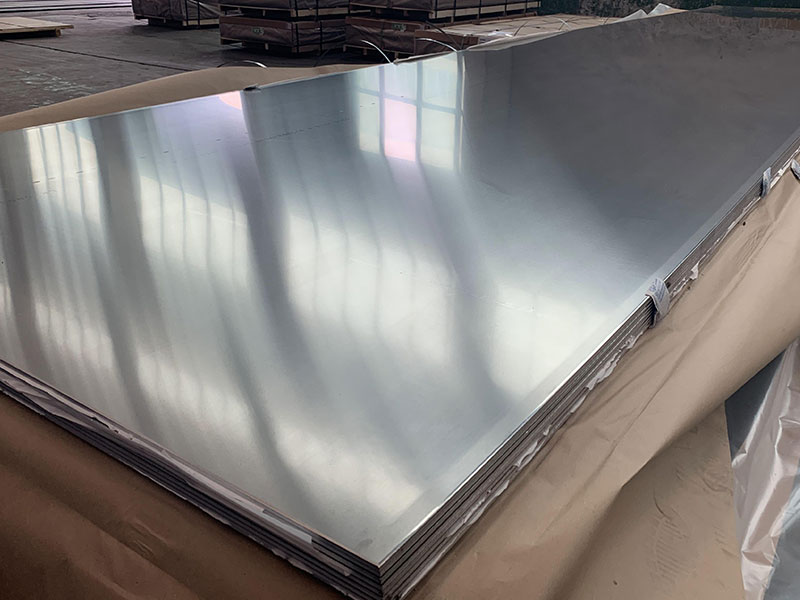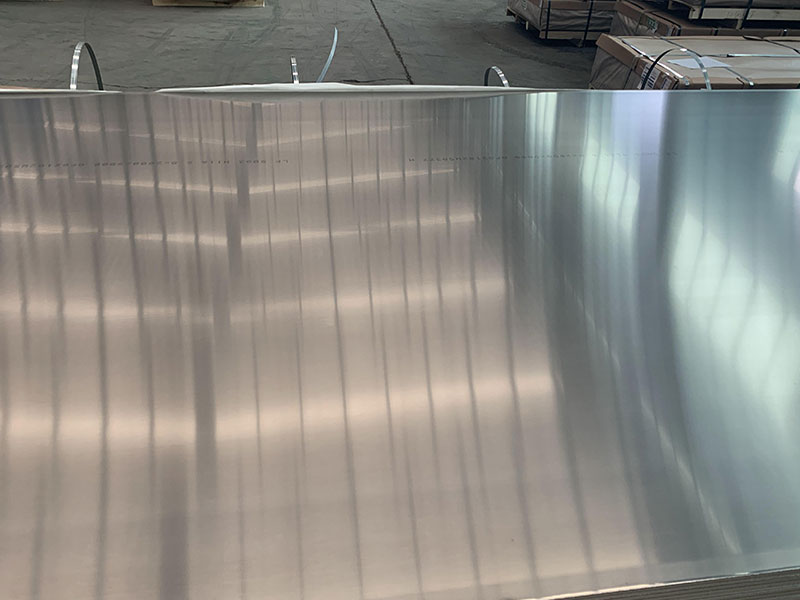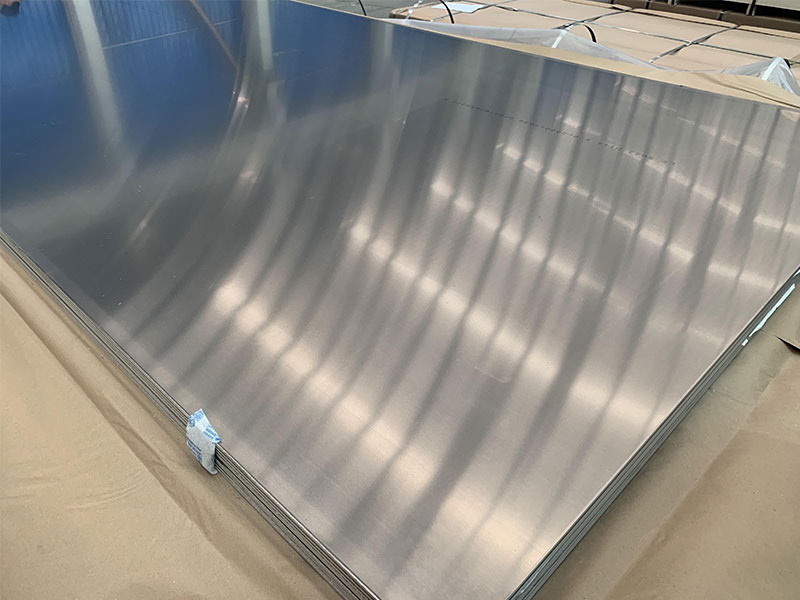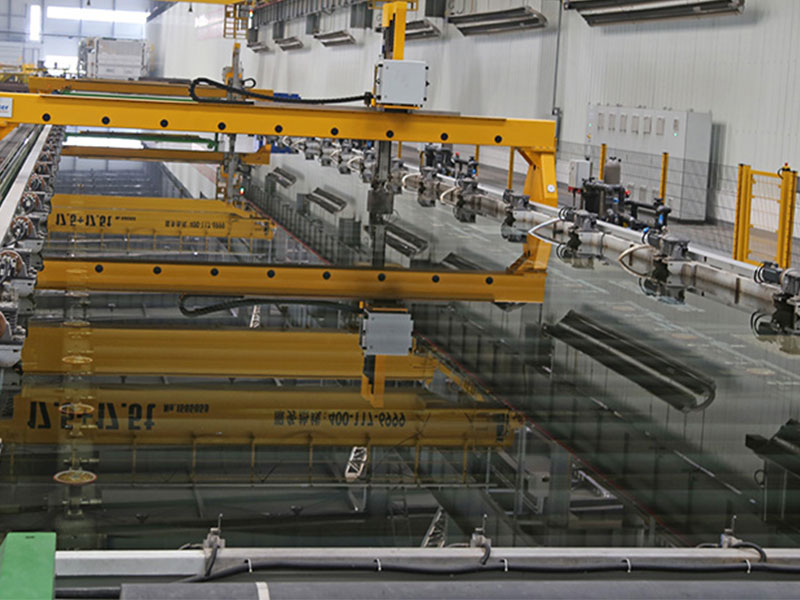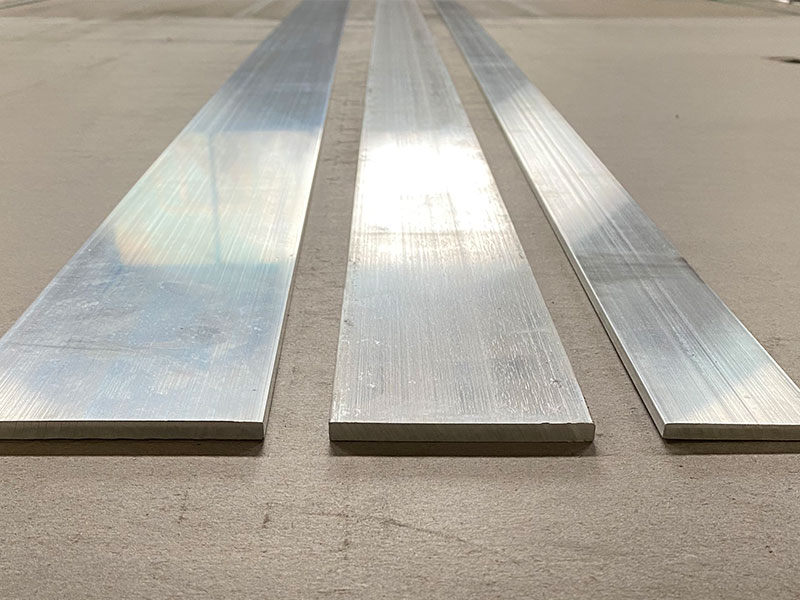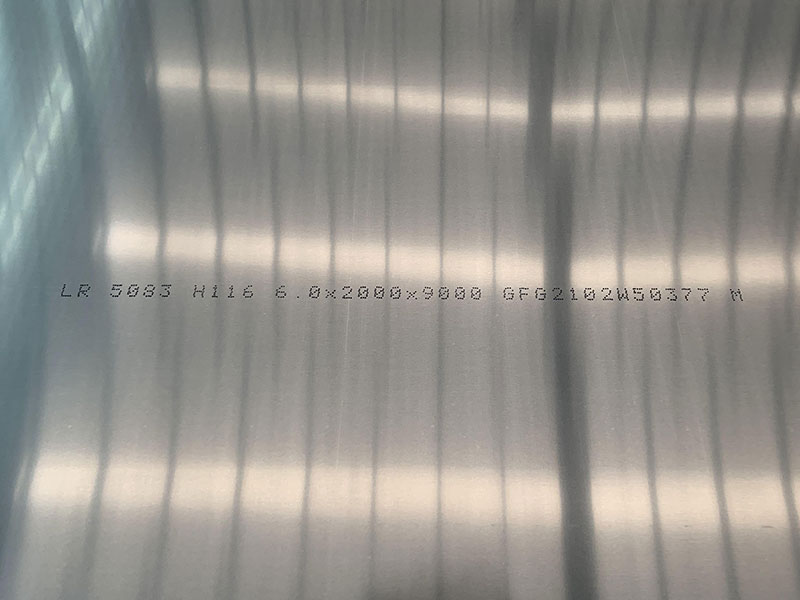

2mm 3mm 4mm marine grade 5083 h111 aluminium alloy sheet
When corrosion resistance and structural reliability matter more than anything else, 5083-H111 aluminium alloy sheet is a proven marine-grade choice. Offered in practical thicknesses like 2mm, 3mm, and 4mm, this alloy is widely used for boat hulls, decks, superstructures, gangways, offshore walkways, and coastal equipment where salt spray, humidity, and cyclic loading are daily realities.
5083 belongs to the Al-Mg family, designed to retain strength and toughness while delivering outstanding resistance to seawater corrosion. The H111 temper indicates a lightly strain-hardened condition with stable formability-ideal for fabrication shops that need reliable bending, cutting, and welding performance without sacrificing marine durability.
What Makes 5083-H111 "Marine Grade"
5083 is valued in marine and coastal applications because it balances high magnesium content with controlled alloying additions, producing:
- Excellent resistance to seawater corrosion and salt-laden atmospheres
- Strong performance in welded structures, maintaining robust properties in the heat-affected zone
- Good toughness at low temperatures, useful for cold waters and refrigerated environments
- Practical formability in thin and medium gauges such as 2–4mm
- Stable dimensional behavior during fabrication and service
H111 is especially popular for sheet supply because it provides a dependable "shop-friendly" condition: not overly hard for forming, yet not fully annealed, helping maintain consistent mechanical performance.
Common 2mm / 3mm / 4mm Use Cases
These thicknesses hit a sweet spot for marine fabrication: light enough to reduce weight, thick enough for stiffness and durability.
| Thickness | Typical Marine & Coastal Applications | Why It Fits |
|---|---|---|
| 2mm | Cabin panels, interior marine bulkheads, equipment housings, splash-zone cladding | Lightweight, easy forming, clean finishing |
| 3mm | Deck plates, side panels, gangway skins, small craft structures | Balanced stiffness and weldability |
| 4mm | Hull sections for smaller vessels, structural partitions, heavy-duty platforms | Better dent resistance and load capability |
Chemical Composition (Typical, 5083 Alloy)
5083's chemistry is built around magnesium for strength and corrosion resistance, with controlled manganese and chromium for structural stability.
| Element | Typical Range (%) |
|---|---|
| Magnesium (Mg) | 4.0 – 4.9 |
| Manganese (Mn) | 0.4 – 1.0 |
| Chromium (Cr) | 0.05 – 0.25 |
| Silicon (Si) | ≤ 0.40 |
| Iron (Fe) | ≤ 0.40 |
| Copper (Cu) | ≤ 0.10 |
| Zinc (Zn) | ≤ 0.25 |
| Titanium (Ti) | ≤ 0.15 |
| Others (each) | ≤ 0.05 |
| Others (total) | ≤ 0.15 |
| Aluminium (Al) | Balance |
Note: Exact limits may vary slightly depending on the governing standard and mill practice.
Mechanical & Physical Characteristics (H111, Typical)
For marine designers and fabricators, what matters is how the sheet behaves in real workshop conditions: forming, welding, vibration, and long-term service near seawater.
| Property | Typical Value / Description |
|---|---|
| Temper | H111 (lightly strain-hardened) |
| Density | ~2.66 g/cm³ |
| Elastic Modulus | ~70 GPa |
| Tensile Strength | Commonly in the ~275–350 MPa range (thickness-dependent) |
| Yield Strength | Commonly in the ~125–200 MPa range (thickness-dependent) |
| Elongation | Typically ~10–20% (varies with gauge and direction) |
| Weldability | Excellent (MIG/TIG widely used) |
| Corrosion Resistance | Excellent in seawater and marine atmospheres |
| Heat Treatable | No (strengthening by strain hardening, not heat treatment) |
Because 5083 is non-heat-treatable, it avoids certain distortion and property shifts associated with solution heat treatment, and it remains a highly predictable alloy for welded marine structures.
Technical Specifications and Supply Options
5083-H111 sheets are typically ordered to match fabrication workflows: clean surfaces, consistent gauge, and reliable flatness.
| Item | Common Supply Detail |
|---|---|
| Thickness | 2mm / 3mm / 4mm (other thicknesses available on request) |
| Width | Commonly 1000–2000mm (custom slitting available) |
| Length | Commonly 2000–6000mm (cut-to-length available) |
| Surface Finish | Mill finish; optional brushed/polished; protective film optional |
| Edge | Trimmed / slit edge options |
| Standards | Often supplied to ASTM B209 / EN 485 (confirm per order) |
| Quality Documentation | Mill Test Certificate (MTC) available |
If your project involves marine classification, critical welding procedures, or coastal infrastructure compliance, specifying the standard and inspection requirements early helps ensure the right documentation and traceability.
Fabrication Behavior: How It Works on the Shop Floor
Forming and Bending
5083-H111 supports practical bending for marine panels and enclosures. In thinner gauges like 2–3mm, it forms cleanly with correct tooling and bend radii. In 4mm, bending remains feasible but benefits from larger radii and proper grain-direction planning to minimize surface strain.
Cutting and Machining
Sheets are commonly processed by shearing, laser cutting, and waterjet. Waterjet is often preferred when heat input must be minimized to preserve edge quality and avoid thermal effects on protective films or surface appearance.
Welding
5083 is widely regarded as one of the best structural aluminium alloys for welding in marine service. MIG and TIG processes are standard, typically paired with suitable filler wire selection based on service environment and strength targets. Post-weld cleaning and correct surface preparation support corrosion performance in splash zones.
Corrosion Resistance in Marine Environments
The "marine grade" reputation is earned in harsh conditions:
- Seawater splash and salt fog: strong resistance reduces pitting risk compared with many general-purpose alloys
- Coastal industrial zones: good durability where humidity and pollutants accelerate corrosion
- Crevice-prone assemblies: sound design and sealing practices further enhance long-term reliability
For best results, combine 5083 with good marine design practices such as drainage paths, minimized crevices, compatible fasteners, and protective coatings where appropriate.
Typical Applications Beyond Boats
5083-H111 in 2–4mm thickness is not limited to shipbuilding. Its corrosion resistance and structural dependability make it a smart choice for:
| Sector | Application Examples |
|---|---|
| Offshore & coastal infrastructure | Walkways, handrail panels, platform covers, splash-zone cladding |
| Transportation | Lightweight structures exposed to de-icing salts and moisture |
| Cryogenic & low-temperature | Cold-room panels, low-temp equipment housings |
| Industrial fabrication | Chemical handling covers, corrosion-prone enclosures |
| Leisure marine | RIB components, yacht structures, ladders, boarding platforms |
Why Customers Choose 2mm / 3mm / 4mm 5083-H111 Sheet
| Customer Need | How 5083-H111 Responds |
|---|---|
| Long service life near seawater | Strong inherent corrosion resistance |
| Welding-heavy fabrication | Excellent weldability and practical post-weld performance |
| Weight reduction | High strength-to-weight ratio |
| Fast, reliable fabrication | Stable forming behavior and consistent sheet supply |
| Clean finishing | Suitable for marine coatings and surface treatments |
Ordering Notes for Best Results
To ensure the sheet matches your fabrication and service requirements, it helps to confirm:
| Parameter | Recommendation |
|---|---|
| Intended environment | Seawater immersion, splash zone, or coastal atmosphere |
| Required standard | ASTM/EN or project-specific specification |
| Flatness and surface | Choose film protection if appearance matters |
| Cutting method | Laser/waterjet selection based on edge and heat sensitivity |
| Welding plan | Define filler and procedure early for consistent performance |
2mm, 3mm, and 4mm marine grade 5083 H111 aluminium alloy sheet offers an excellent blend of corrosion resistance, weldability, and structural performance for marine and coastal use. It is a practical, fabrication-friendly choice for builders who need panels and structural elements that stay dependable in salt-heavy environments-on the water, near the shore, and anywhere corrosion resistance is a top priority.
https://www.aluminumplate.net/a/2mm-3mm-4mm-marine-grade-5083-h111-aluminium-alloy-sheet.html