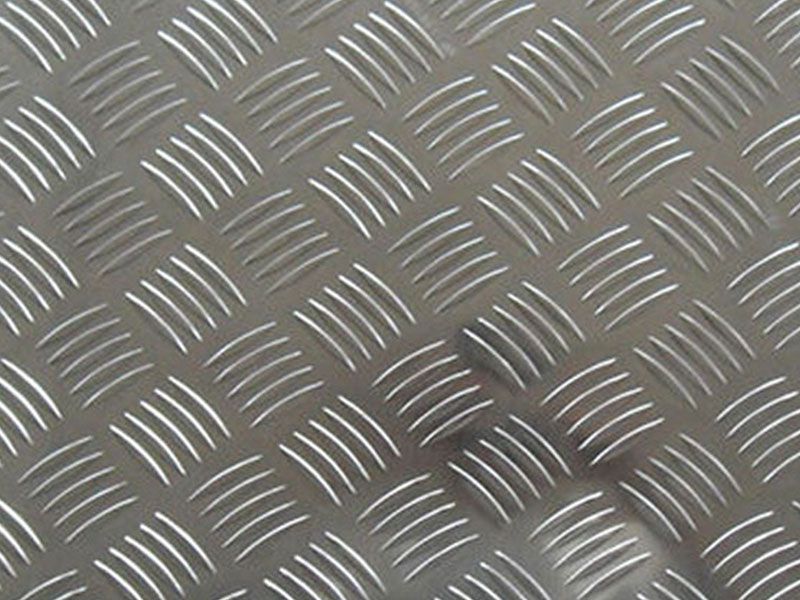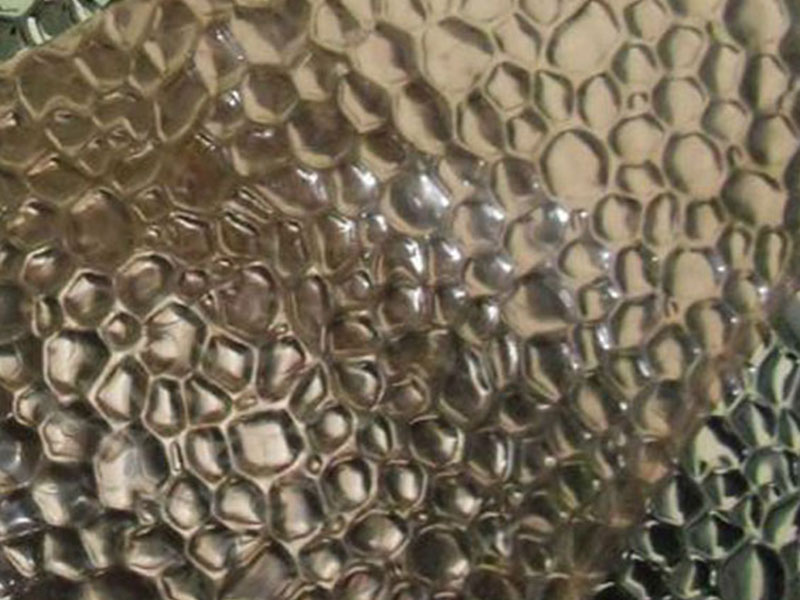

5052 Checkered Aluminum Plate Tread Plate
5052 Checkered Aluminum Plate Tread Plate: The "Grip-and-Guard" Material for Real-World Surfaces
A tread plate is rarely chosen for decoration alone. It's chosen because surfaces fail in predictable ways: they get wet, they get scuffed, they corrode, they need cleaning, and people still need to walk, step, load, or work safely. From that practical angle, 5052 checkered aluminum plate tread plate stands out as a material engineered for "everyday abuse" in environments where traction, corrosion resistance, and weight all matter at the same time.
5052 is not the hardest aluminum alloy, and it doesn't try to be. Its strength is a different kind of reliability: it resists salt, humidity, and chemical exposure better than many common aluminum grades, it forms well without cracking, and it delivers long-term performance when the surface is constantly being stepped on, washed down, or exposed to weather. The checkered pattern adds mechanical function, turning a smooth metal sheet into a safer platform with improved footing and reduced slip risk.
What 5052 Really Brings to a Checkered Tread Plate
From a user's point of view, tread plate "works" when it does three things consistently: it stays intact, it stays safe, and it stays presentable with minimal effort.
Corrosion resistance that behaves like insurance
5052 is an Al-Mg alloy. The magnesium content is the to its strong resistance to marine atmosphere and industrial humidity. That makes 5052 checkered plate an excellent choice for truck bodies, docks, vessel interiors, coastal stairways, wastewater facilities, and any application where oxidation and pitting are constant threats.
Functional traction without overdesign
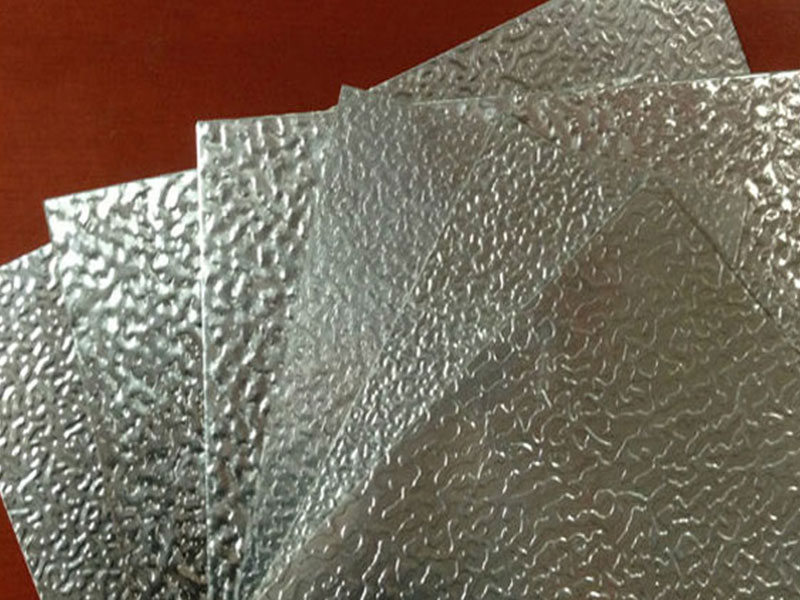
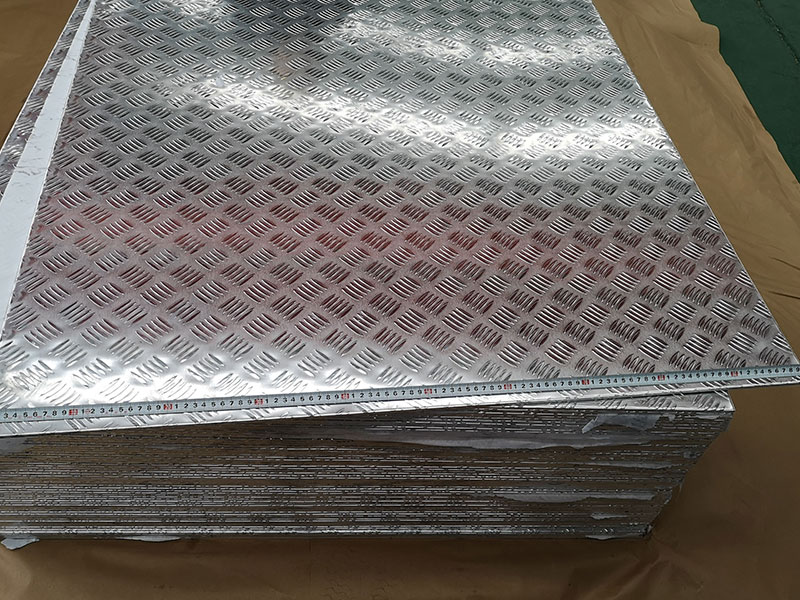
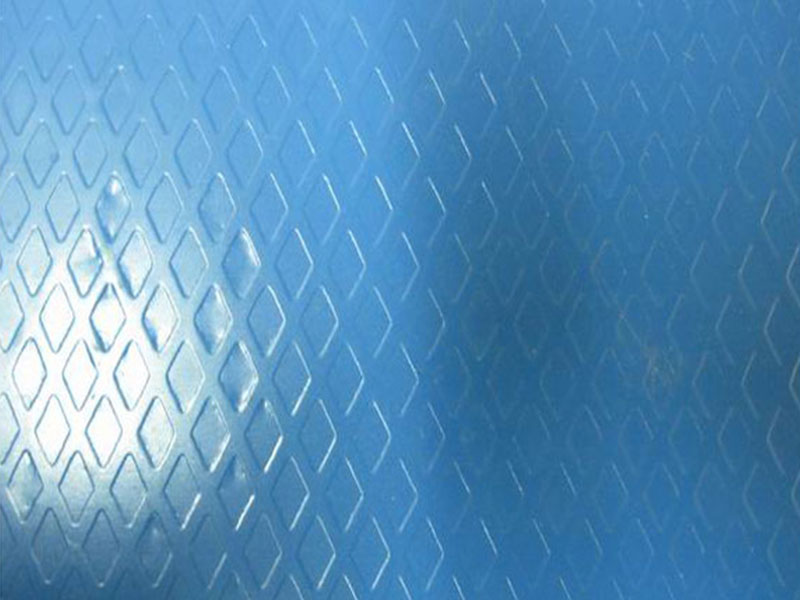
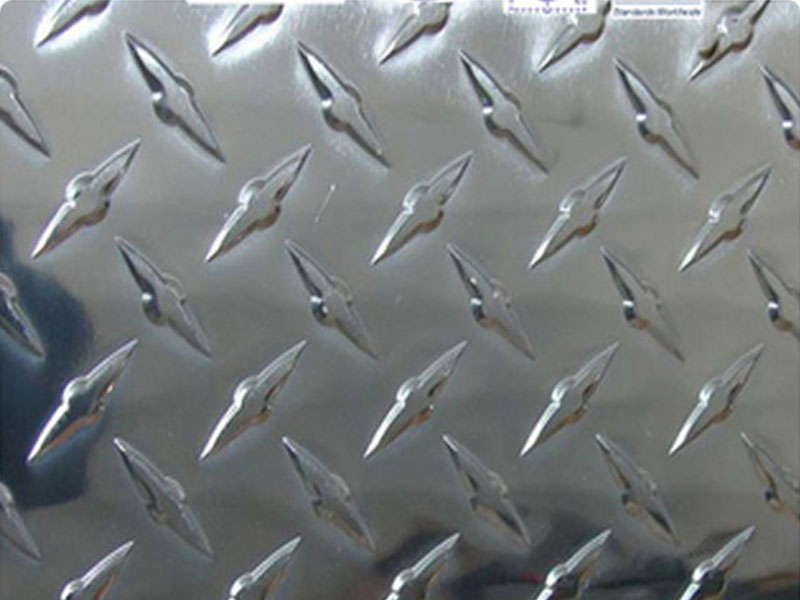
The raised pattern is not about sharpness; it's about contact geometry. The "diamond" or "bar" pattern increases surface friction and helps disrupt continuous water films underfoot. In practice, that means safer steps on ramps, platforms, and service walkways, especially when combined with drainage gaps or proper slope.
Formability that supports fabrication realities
5052 is known for good bendability and workability. That matters because tread plate is often cut, edged, bent into angles, riveted, or welded into assemblies. A material that cracks during forming or becomes too sensitive during fabrication increases waste and delays. 5052 tends to behave predictably for common sheet-metal work.
Where 5052 Checkered Aluminum Tread Plate Is Used
5052 checkered plate often ends up where steel would be heavy, and where softer alloys would wear too quickly or corrode too easily.
Common applications include vehicle and transport flooring such as truck step boards, trailer decks, bus entry steps, and tool compartment liners. It's also widely used for industrial access areas including catwalks, platforms, mezzanine walkways, maintenance stairs, and protective covers. In architecture and public facilities, 5052 checkered plate can serve as anti-slip flooring, kick plates, wall guards, elevator interiors, and decorative-but-durable panels. In marine and coastal use, it performs well for deck surfaces, dock components, hatch covers, and equipment enclosures where salt spray is routine.
A distinctive advantage in many of these projects is that aluminum tread plate can help reduce overall structure weight, which improves fuel economy for transport equipment and reduces load demands on supporting frames.
Alloy Tempering: Choosing Performance by Condition, Not Just Grade
Buyers sometimes focus on "5052" and forget the temper is just as important. Temper influences strength, formability, and how the plate behaves during fabrication.
Common tempers for 5052 tread plate include:
- O (Annealed): Best for deep forming and tight bending where maximum ductility is needed
- H32: A widely used balance of strength and formability, suitable for general flooring and fabrication
- H34: Higher strength than H32 with slightly reduced formability, often used where surface durability and stiffness are more important
- H36/H38: Higher work-hardened states, selected for applications prioritizing strength and rigidity over forming
If the project involves significant bending, edging, or complex forming, H32 or O temper usually provides smoother processing. If the plate is primarily used as a flat floor with high traffic and minimal forming, H34 and above may be preferred.
Implementation Standards and Common Supply Conditions
5052 checkered aluminum plate is typically supplied as tread plate (patterned on one side) with a smooth back. Manufacturing and quality control often reference widely recognized standards. Depending on market and customer requirements, the following are common:
- ASTM B632 / ASTM B209 for aluminum alloy sheet/plate requirements and dimensional tolerances (commonly referenced in North American projects)
- EN 573 / EN 485 series for chemical composition and mechanical properties in European-aligned specifications
- JIS H4000 / JIS H4040 for Japanese industrial standard alignment in certain supply chains
In procurement, it's important to confirm not only the alloy and temper, but also pattern type, pattern height expectations, thickness definition, and tolerance method. Many industries specify thickness as base thickness (excluding raised pattern) to ensure structural and fit-up accuracy.
Parameters Customers Typically Specify
In fast-moving projects, a clear parameter set prevents mismatches:
- Alloy: 5052
- Temper: O, H32, H34 (most common)
- Thickness: commonly 1.5 mm to 6.0 mm base thickness; thicker available depending on mill capability
- Width and length: common sheet sizes include 1000–1500 mm width and 2000–6000 mm length (custom cutting supported)
- Pattern: diamond, five-bar, or regional equivalents
- Surface finish: mill finish, anodized, or coated (when appearance or extra protection is needed)
- Processing: cutting, bending, drilling, anti-slip tape integration, edge finishing
Chemical Composition (Typical) for Aluminum Alloy 5052
Below is a typical chemical composition table for AA 5052. Exact limits may vary slightly by standard; confirm with mill test certificate requirements for your project.
| Element | Composition (wt. %) |
|---|---|
| Magnesium (Mg) | 2.2–2.8 |
| Chromium (Cr) | 0.15–0.35 |
| Silicon (Si) | ≤ 0.25 |
| Iron (Fe) | ≤ 0.40 |
| Copper (Cu) | ≤ 0.10 |
| Manganese (Mn) | ≤ 0.10 |
| Zinc (Zn) | ≤ 0.10 |
| Titanium (Ti) | ≤ 0.15 |
| Aluminum (Al) | Remainder |
This Mg-driven chemistry is why 5052 is often chosen over more general-purpose alloys for wet, salty, or chemically active environments. It offers strong corrosion performance without relying on heavy coatings, though coatings and anodizing can further enhance durability and appearance.
A checkered pattern alone doesn't guarantee long-term safety. If corrosion pits form or the material degrades, the "grip" becomes inconsistent and the surface becomes harder to clean. The advantage of 5052 is that the alloy's corrosion resistance supports the tread pattern's job over time, especially in environments with washdowns, de-icing residues, or salt exposure.
At the same time, aluminum's thermal conductivity can help surfaces dry faster than some alternatives in certain conditions, and its non-sparking nature is useful in specific industrial settings where spark risk is controlled.
Practical Selection Notes for Buyers
If the tread plate is used for vehicle steps or frequent pedestrian traffic, a mid-strength temper such as H32 is commonly chosen for a balance of durability and fabrication friendliness. For stationary platforms where stiffness is the priority and forming is minimal, H34 can be a smart upgrade. When the plate will be aggressively formed, O temper reduces cracking risk.
Also consider whether your project defines thickness including pattern height or as base thickness. That single detail can determine whether panels sit flush, doors close properly, or fasteners align.
Closing View: A Material Built for "Everyday Contact"
5052 checkered aluminum plate tread plate is not just a sheet with a pattern. It is a surface engineered for contact: shoes, wheels, water, salt air, cleaning chemicals, and continuous handling. Its value shows up in the hours you don't spend dealing with corrosion, repainting, or replacing worn flooring. For customers who need a light, dependable, anti-slip solution across transport, industrial, marine, and architectural applications, 5052 tread plate is a practical choice that performs quietly-exactly the way a working surface should.
https://www.aluminumplate.net/a/5052-checkered-aluminum-plate-tread-plate.html