
Aluminum sheet checker plate
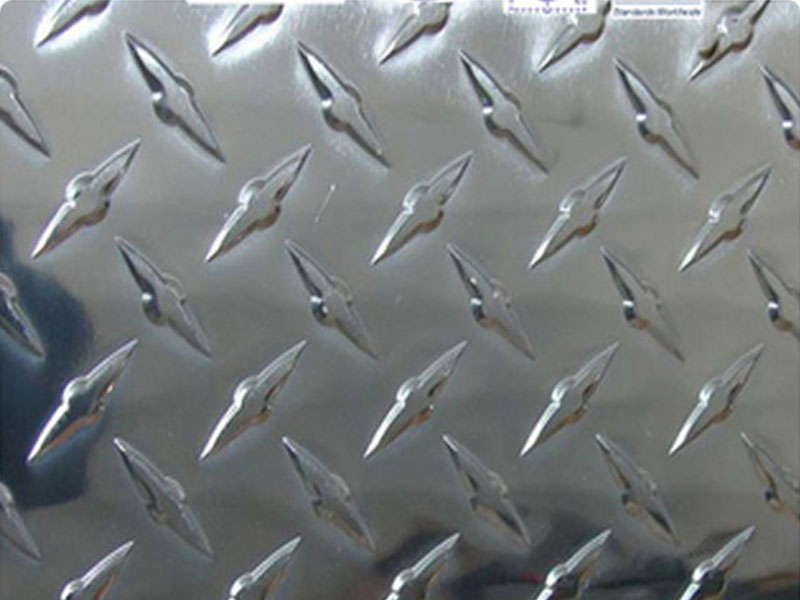
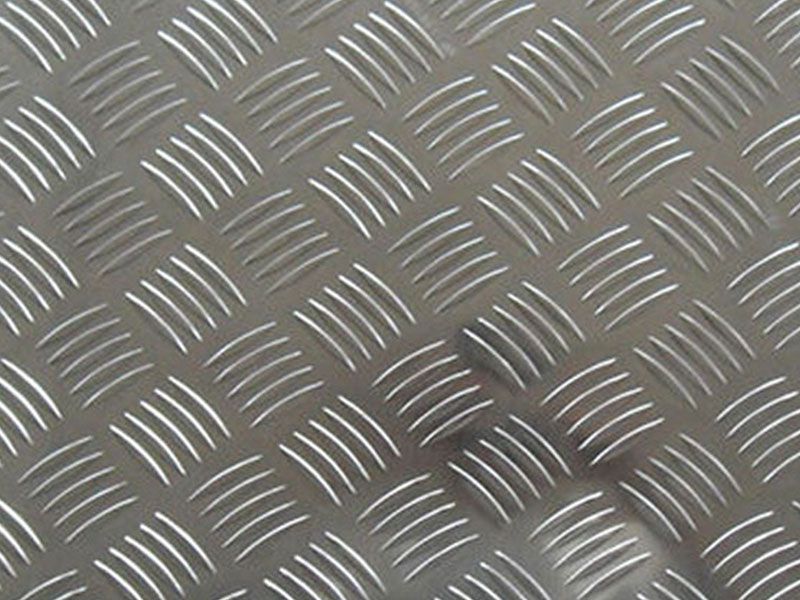
Aluminum sheet checker plate, often known as aluminum tread plate or diamond plate, is a highly versatile metal sheet characterized by raised surface patterns. It blends strength, aesthetics, and anti-slip properties, making it an essential material across various industries.
Aluminum Sheet Checker Plate
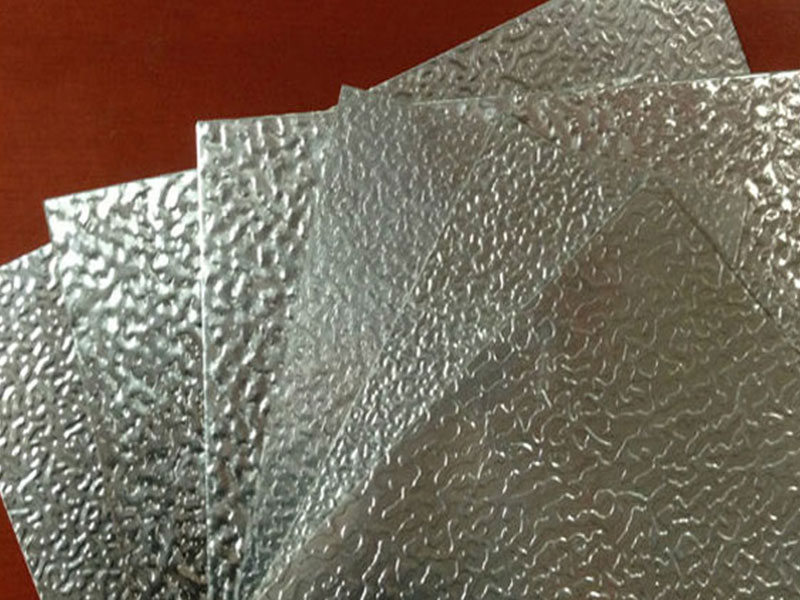
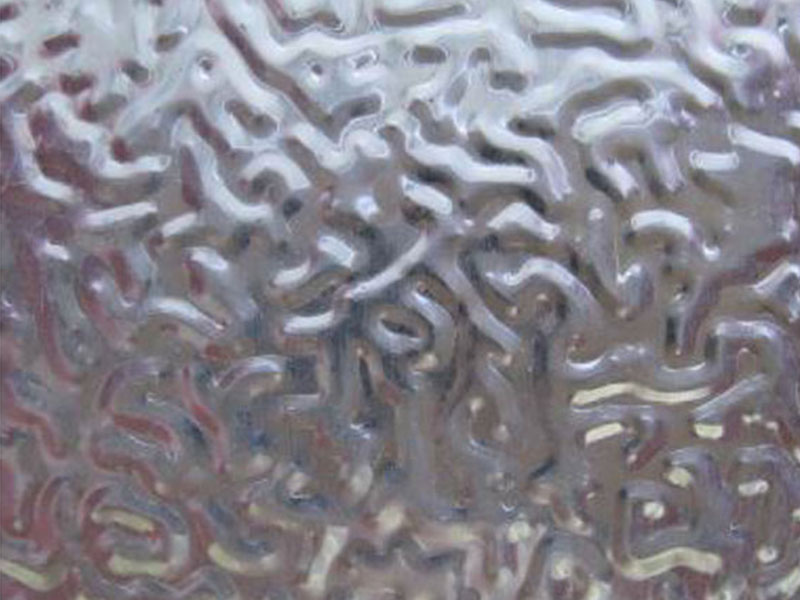
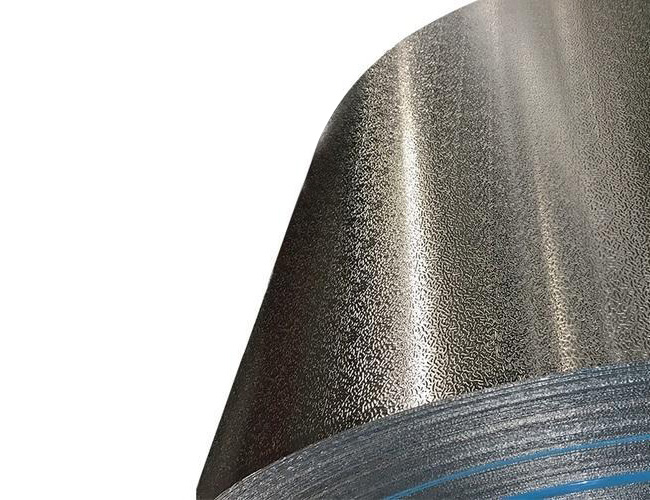
Aluminum checker plate stands out because of its unique textured pattern, typically in diamond, linear, or circular shapes embossed or rolled onto one side of the sheet. Its underlying core consists of high-quality aluminum alloy, delivering excellent corrosion resistance, lightweight properties, and striking durability.
Main Functions
The raised patterns serve not only a decorative purpose but play vital functional roles:
Slip Resistance: The unique textured surface offers improved grip, preventing slippage in both wet and dry conditions, enhancing safety.
Impact Resistance: Its sturdy aluminum base fuels identification in flooring and stair applications that endure foot traffic and general wear.
Corrosion Resistance: As aluminum naturally forms a protective oxide layer, this plate withstands moisture and rust, suitable for outdoor or harsh environments.
Lightweight Strength: Aluminum weighs considerably less than steel alternatives while still providing essential structural support.
Applications Across Industries
Versatility is at the heart of aluminum tread plate's widespread usage:
Flooring and Stairs: Ideal for industrial walkways, stair treads, and ramps.
Vehicle manufacturing: Used for truck beds, trailers, emergency vehicles, and camper floors to secure heavy loads without weighing down the vehicle.
Architectural & Interior Design: Applied in walls, door kickplates, or ornamental facades/coverings providing both protection and aesthetics.
Marine & Transportation: Due to corrosion resilience, perfect for ship decks, docks, and airport shelters.
Machinery and Equipment: As protective covers or path plates preventing machinery damage or operator accident.
Residential and Commercial Safety: Ramps for accessibility, garage flooring, or even print/display platforms.
Technical Specifications and Standards
Manufacturers typically conform aluminum sheet checker plates to international standards ensuring reliability and quality. Common implementation standards include ASTM B209, AMS-QQ-A-250/11 for aluminum alloys.
| Parameter | Specification |
|---|---|
| Standard | ASTM B209, AMS-QQ-A-250/11 |
| Thickness Range | 1.0 mm to 12 mm |
| Width | Up to 2000 mm |
| Length | Customized per order (typically up to 6000 mm) |
| Pattern Design | Diamond, Linear, Five-Bar, Circular |
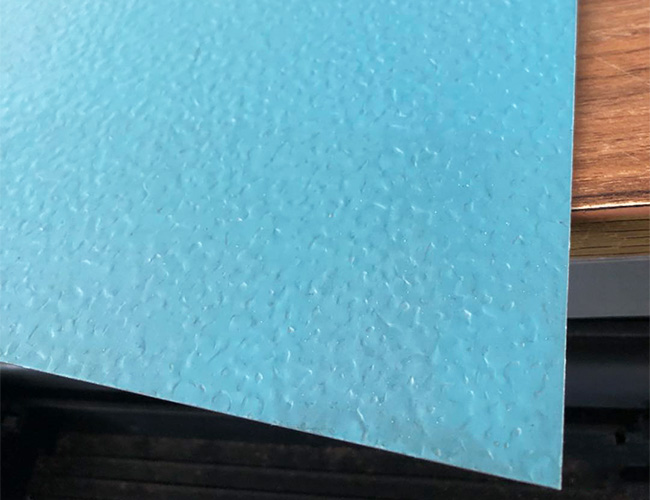
| Surface Finish | Mill Finish, Brush, Anodized, Powder Coated |
| Temper | H12, H14, H24, T6 (Depending on alloy) |
| Typical Alloy Grades | 3003-H24, 5052-H32, 6061-T6 |
Aluminum Alloy Grades and Tempering Conditions
The selection of alloy and temper impacts mechanical properties such as hardness, tensile strength, and corrosion resistance.
| Alloy | Temper | Tensile Strength (MPa) | Yield Strength (MPa) | Elongation (%) | Typical Use |
|---|---|---|---|---|---|
| 3003 | H14 | 130-150 | ~80 | 18-27 | Moderate strength, good corrosion |
| 3003 | H24 | 140-160 | ~105 | 14 | Improved strength over H14 |
| 5052 | H32 | 230-280 | 140-190 | 12-20 | Excellent corrosion resistance |
| 6061 | T6 | 310-350 | 270-300 | 10-17 | High strength & corrosion resistant |
Chemical Composition of Common Aluminum Checker Plate Alloys
The alloys used balance strength, formability, and corrosion resistance.
| Element | 3003 (%) | 5052 (%) | 6061 (%) |
|---|---|---|---|
| Aluminum | Remainder | Remainder | Remainder |
| Magnesium | 1.0 - 1.5 | 2.2 - 2.8 | 0.8 - 1.2 |
| Manganese | 1.0 - 1.5 | - | 0.15 - 0.35 |
| Silicon | 0.6 max | 0.4 max | 0.4 - 0.8 |
| Iron | 0.7 max | 0.4 max | 0.7 max |
| Copper | 0.05 max | 0.1 max | 0.15 - 0.4 |
| Chromium | 0.05 max | 0.15 - 0.35 | 0.04 - 0.35 |
| Zinc | 0.1 max | 0.1 max | 0.25 max |
| Titanium | 0.15 max | 0.15 max | 0.15 max |
| Property | Typical Value |
|---|---|
| Density | 2.70 g/cm³ |
| Melting Point | 660.3 °C |
| Thermal Conductivity | 237 W/m·K (annealed 1100 alloy) |
| Electrical Conductivity | Around 35% IACS for purity grade |
| Modulus of Elasticity | Approx. 69 GPa |
Advantages of Choosing Aluminum Checker Plate
Besides outstanding features highlighted above, the following benefits position aluminum checker plate prominently in the market:
- Easy Maintenance: Remarkably low requirement-simply cleaning with water or mild detergent.
- Eco-Friendly Materials: Aluminum is 100% recyclable without loss of properties.
- Customizable: Available in various alloys, thicknesses, and patterns to meet specific needs.
- Enhanced Aesthetic Appeal: Glossy manufacture, along with anodized or coated finishes provide corrosion protection plus stylish looks.
https://www.aluminumplate.net/a/aluminum-sheet-checker-plate.html