
Aluminium checker plate
When you hear “aluminium checker plate,” what comes to mind? Maybe a shiny metal sheet with a patterned surface used in industrial settings? You’d be right—but there’s more to this material than its looks.
What is Aluminium Checker Plate?
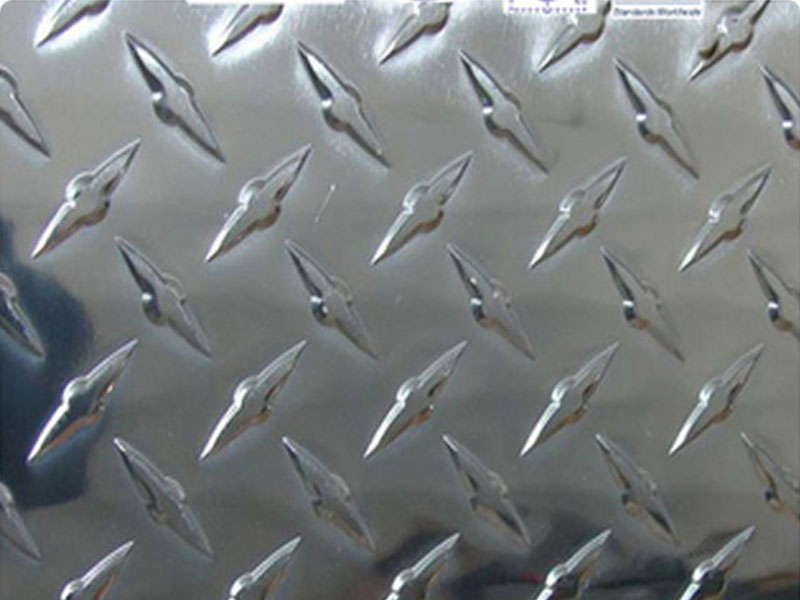
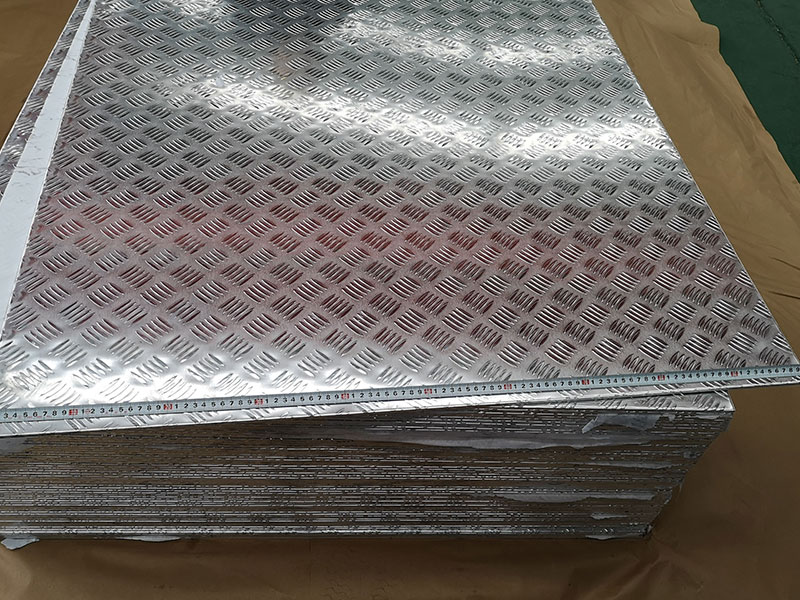
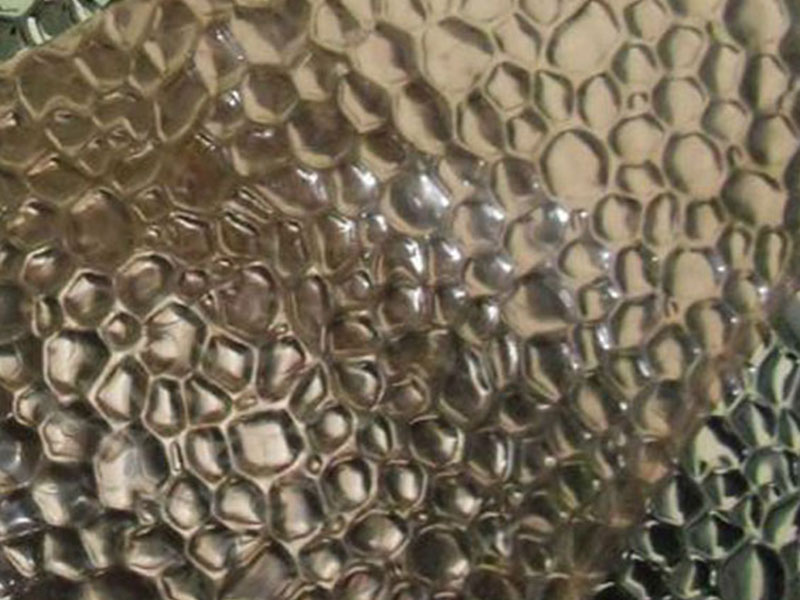
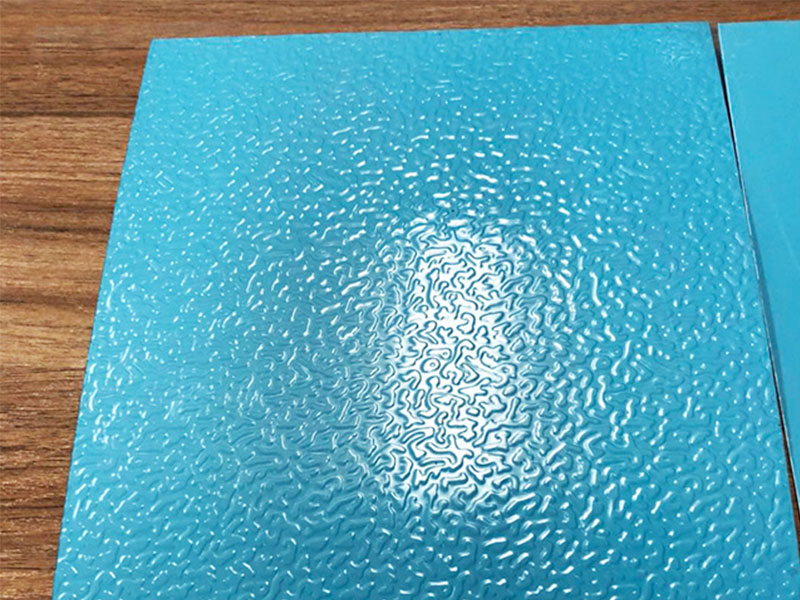
At its core, aluminium checker plate (also called tread plate or diamond plate) is a flat aluminium sheet embossed with a regular pattern of raised lines or shapes—usually lines, diamonds, or squares. These raised bits aren’t just for show; they provide excellent grip and prevent slipping. If you walk on it, the texture keeps your footing steady, especially when the surface is wet or oily.
Why Aluminium?
You might wonder, “Why aluminium, and not steel or something else?” Aluminium has a lineup of advantages:
- Lightweight: Aluminium checker plate is significantly lighter than its steel counterparts. This makes it easier to transport and install.
- Corrosion-resistant: Aluminium naturally forms a thin oxide layer that resists rust. Ideal for outdoor use or humid environments.
- Good strength-to-weight ratio: While it’s lighter, it can still handle considerable weight and wear.
- Easy to work with: It cuts and shapes cleanly, great for custom projects.
This blend of safety, durability, and versatility explains its popularity.
Functional Benefits
- Slip Resistance: The raised checker pattern is designed to provide fantastic anti-slip properties. Work boots, tires, or even bare feet get better traction on these surfaces.
- Durability: Though it’s aluminum, the rolled, embossed surface adds strength and helps resist dents or scratches.
- Low Maintenance: No paint needed, no rust prevention required. A quick wipe can keep it looking fresh.
- Reflective Surface: In some industrial settings, the shiny surface helps with light reflection—brightening workspace floors or stairs.
Practical Applications
You’ll find aluminium checker plate pretty much everywhere:
- Industrial Flooring: Factories, workshops, loading docks. Floors made with checker plate make the workplace safer.
- Vehicle Steps and Toolboxes: Trucks, fire engines, and utility vehicles often use aluminium checker plate on their step bars or toolbox surfaces.
- Ramps and Stair Treads: Public or private properties use it for external ramps and stairs where a weatherproof and slip-resistant surface is vital.
- Decorative Uses: Some furniture or interior accents incorporate it for that industrial, modern look.
- Marine Applications: Boats use it on decks or gangways because it can withstand salty and wet conditions better than steel.
A Few Technical Nuggets
Thicknesses usually range from 1.5mm to 5mm, depending on the strength needs. Common alloy grades like 5052 or 3003 are standard because they combine durability with corrosion resistance. The checker pattern itself can cover anywhere from 30% to 50% of the surface, meaning good grip without overwhelming texture.
Wrapping It Up
Aluminium checker plate is way more than just a patterned metal sheet pasted on floors or ramps. It’s a smart combination of safety, lightness, durability, and style that suits both rough-and-tumble industrial jobs and some slick design ideas. Whether you’re outfitting your workshop, upgrading your vehicle, or looking for a reliable non-slip surface outdoors, it’s a solid, cost-effective choice.
So next time you step onto that slightly bumpy aluminium floor, you’ll know exactly why it’s there—and appreciate how smartly it’s made.
https://www.aluminumplate.net/a/aluminium-checker-plate.html