
Flexible aluminium sheet
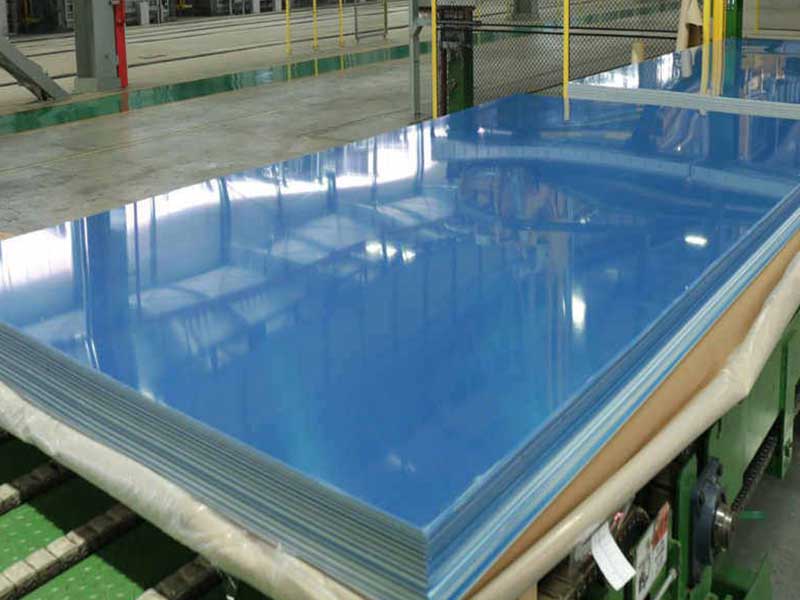
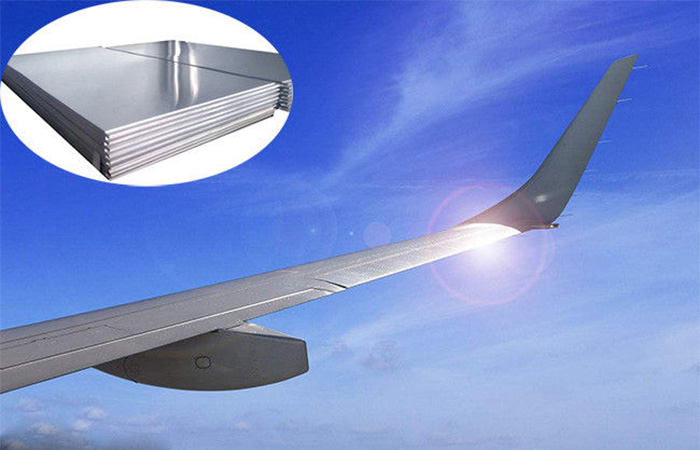
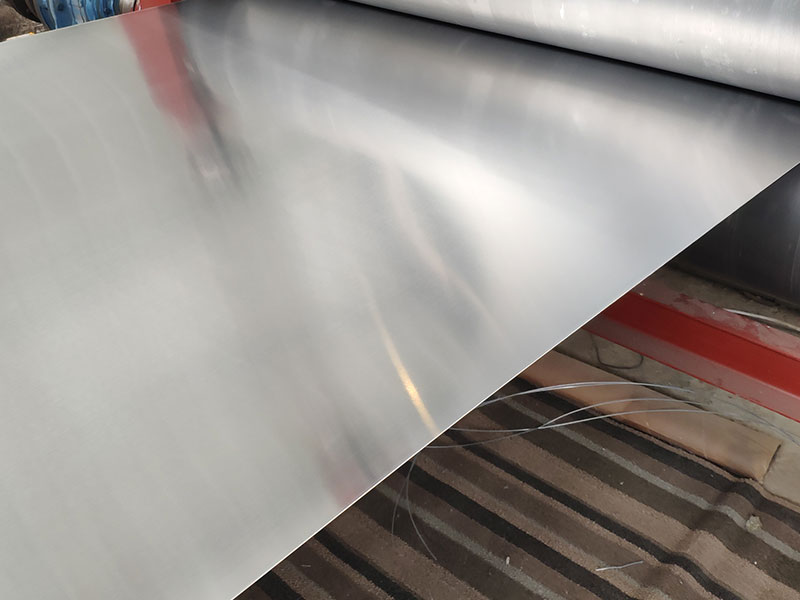
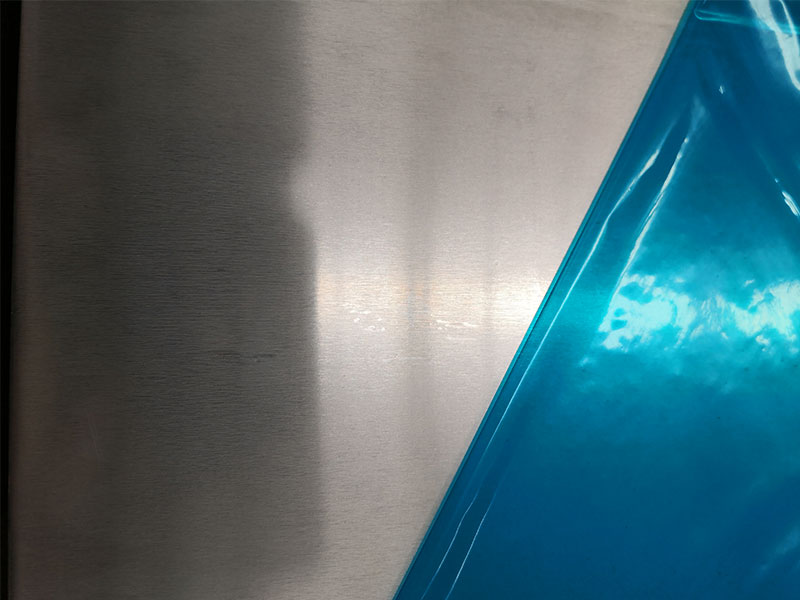
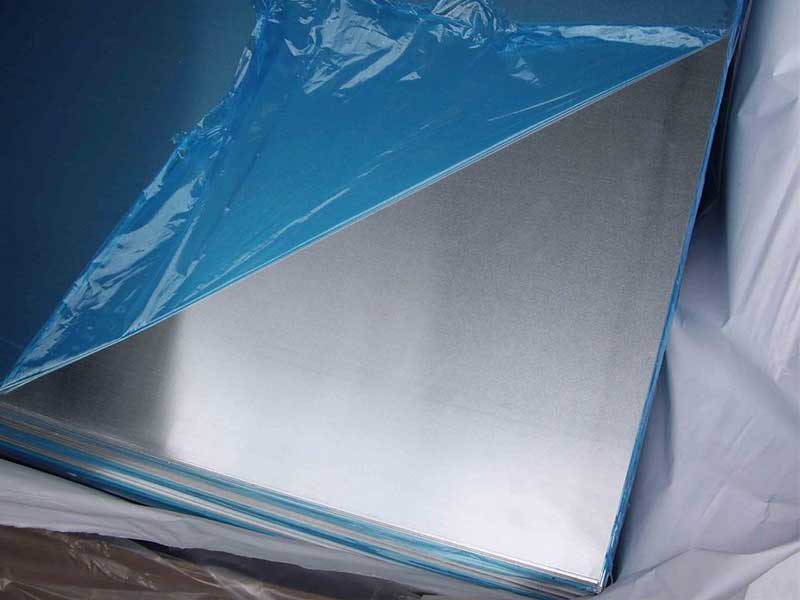
Flexible aluminium sheet is a light-gauge, highly formable aluminium product engineered to bend, roll, wrap, and contour without cracking-while still delivering the corrosion resistance, thermal conductivity, and clean appearance that make aluminium a preferred material across industries. It is commonly supplied in coil or cut-to-length sheets and chosen when customers need easy shaping with reliable performance in packaging, insulation jacketing, HVAC, roofing, flashing, automotive trim, decorative cladding, and general fabrication.
Unlike thicker plate products designed primarily for rigidity, flexible aluminium sheet focuses on controlled softness, consistent temper, smooth surface quality, and tight thickness tolerances. The result is a sheet that can be hand-formed or machine-formed into tight radii, embossed or corrugated, or laminated with films and foams-while maintaining stable mechanical and dimensional behavior.
What Makes an Aluminium Sheet "Flexible"?
Flexibility comes from a combination of alloy selection, temper condition, thickness, and surface/rolling practice.
- Alloy choice emphasizes ductility and corrosion resistance, typically from the 1xxx, 3xxx, and 5xxx series.
- Temper selection favors soft or lightly strain-hardened conditions (O, H12, H14) to avoid edge cracking during bending.
- Thickness range is usually light gauge, where lower section modulus allows easier forming.
- Consistent grain structure and coil quality reduce localized hard spots and improve forming uniformity.
Features Customers Care About
| Feature | What it means in practice | Customer value |
|---|---|---|
| High formability | Bends, folds, and wraps with low cracking risk | Faster installation, less scrap |
| Low weight | Density about 2.7 g/cm³ | Lower transport cost, easier handling |
| Corrosion resistance | Natural oxide film; improved with coatings | Longer outdoor and industrial life |
| Thermal conductivity | Efficient heat transfer | HVAC, insulation, heat shielding |
| Barrier behavior | Blocks light, vapor, and odors (with proper sealing) | Packaging, laminates, jacketing |
| Clean surface | Mill finish or coated/anodized options | Aesthetics and branding compatibility |
| Recyclability | Aluminium is highly recyclable | Sustainability and circular supply chains |
Common Alloys and Tempers for Flexible Aluminium Sheet
Flexible sheet is most frequently produced from 1050/1060/1100 (high purity), 3003/3004 (Mn-bearing for balanced strength and formability), and 5052 (Mg-bearing for higher strength with good corrosion resistance).
Typical Alloy–Temper Selection Guide
| Alloy | Typical tempers for flexibility | Why it's chosen | Typical uses |
|---|---|---|---|
| 1050 / 1060 | O, H12, H14 | Very high ductility, excellent conductivity | Reflectors, insulation facings, general forming |
| 1100 | O, H14 | Good workability and corrosion resistance | Decorative trims, nameplates, light fabrication |
| 3003 | O, H14 | Better strength than 1xxx, good forming | HVAC fins, flashing, cladding, cookware skins |
| 3004 | H14, H16 | Higher strength than 3003, good drawability | Packaging stock, formed shells |
| 5052 | O, H32 | Stronger, marine-grade corrosion resistance | Marine trim, enclosures, protective covers |
Chemical Composition (Reference Ranges)
Actual chemistry depends on applicable standards and mill practice; the table below provides commonly used reference values for popular flexible-sheet alloys.
| Alloy | Si (%) | Fe (%) | Cu (%) | Mn (%) | Mg (%) | Zn (%) | Al (%) |
|---|---|---|---|---|---|---|---|
| 1050 | ≤0.25 | ≤0.40 | ≤0.05 | ≤0.05 | ≤0.05 | ≤0.05 | ≥99.50 |
| 1060 | ≤0.25 | ≤0.35 | ≤0.05 | ≤0.03 | ≤0.03 | ≤0.05 | ≥99.60 |
| 1100 | 0.95 (max) | 0.95 (max) | 0.05–0.20 | ≤0.05 | - | ≤0.10 | balance |
| 3003 | ≤0.60 | ≤0.70 | 0.05–0.20 | 1.0–1.5 | - | ≤0.10 | balance |
| 5052 | ≤0.25 | ≤0.40 | ≤0.10 | ≤0.10 | 2.2–2.8 | ≤0.10 | balance |
Technical Specifications (Typical Supply Range)
Flexible aluminium sheet is often ordered by thickness, width, surface, and temper. The ranges below reflect common commercial supply; availability varies by mill and finish requirements.
| Parameter | Typical range | Notes |
|---|---|---|
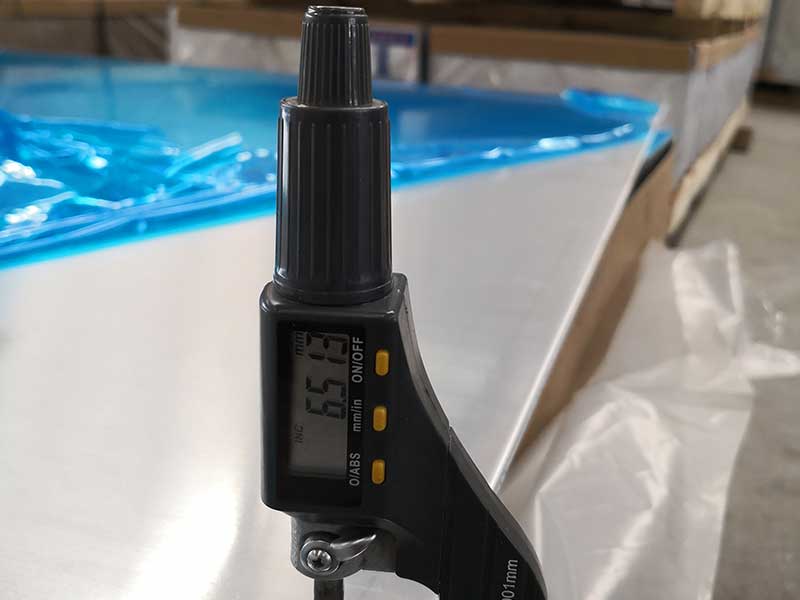
| Thickness | 0.10–1.50 mm | "Flexible" commonly refers to ≤1.0 mm in many applications |
| Width | 100–1600 mm | Wider coils may be available for select alloys/finishes |
| Length (cut sheets) | 500–6000 mm | Custom lengths available |
| Coil ID | 150 / 300 / 505 mm | Subject to coil weight and line capability |
| Coil weight | 50–3000 kg | Packaging and handling dependent |
| Temper | O, H12, H14, H16, H32 | Softer tempers improve bendability |
| Surface finish | Mill, brushed, embossed, coated | Protective film optional |
| Flatness | Commercial / improved | Specify when laminating or printing |
| Edge | Slit, trimmed | Deburring available for safer handling |
Mechanical Properties (Typical Values)
Mechanical properties depend strongly on alloy, temper, and thickness. The table below provides typical targets used for selection and quick comparison.
| Alloy | Temper | Tensile strength (MPa) | Yield strength (MPa) | Elongation (%) |
|---|---|---|---|---|
| 1050 | O | 60–100 | 20–35 | 25–40 |
| 1050 | H14 | 90–130 | 70–110 | 3–8 |
| 1100 | O | 70–110 | 25–40 | 25–40 |
| 3003 | O | 90–130 | 35–55 | 20–35 |
| 3003 | H14 | 130–180 | 115–160 | 3–8 |
| 5052 | O | 170–230 | 80–120 | 18–30 |
| 5052 | H32 | 210–260 | 160–200 | 8–15 |
Bending and Forming Notes (Practical Guidance)
Flexible aluminium sheet is often purchased specifically for bending performance. Real-world bend success depends on tooling, grain direction, radius, and edge quality.
| Forming factor | Recommendation | Benefit |
|---|---|---|
| Grain direction | Bend transverse to rolling direction when possible | Reduces crack tendency |
| Temper choice | Prefer O, H12, H14 for tight bends | Higher ductility |
| Minimum bend radius | Use larger radii for harder tempers | Improves surface and edge integrity |
| Edge condition | Specify trimmed or deburred edges for severe forming | Prevents edge-initiated tears |
| Lubrication and cleanliness | Keep surface clean during forming/lamination | Better finish and adhesion |
Surface Options and Value-Add Processing
| Option | What it delivers | Typical industries |
|---|---|---|
| Protective film | Scratch protection during fabrication | Signage, architectural trims |
| Coil coating (PE/PVDF) | Color durability and improved corrosion resistance | Roofing, cladding, exterior panels |
| Anodizing | Hard, decorative oxide layer | Consumer products, interiors |
| Embossing | Added stiffness, decorative texture, anti-slip behavior | Insulation jacketing, panels |
| Lamination | Barrier and composite performance | Packaging, insulation systems |
| Perforation | Airflow and weight reduction | Acoustic panels, filters, screens |
Applications
| Application area | Why flexible aluminium sheet works well | Common alloys |
|---|---|---|
| HVAC and ducting | Light, easy to form, good thermal behavior | 1100, 3003 |
| Insulation jacketing | Corrosion resistance, barrier performance, embossing compatibility | 1050, 1060, 3003 |
| Roofing, flashing, gutters | Formability for bends and folds; coating options | 3003, 5052 |
| Packaging and liners | Clean surface, barrier properties, easy conversion | 1xxx, 3004 |
| Decorative trim and cladding | Aesthetic surface choices, lightweight installation | 1100, 3003 |
| Automotive and appliance skins | Consistent coil quality and formability | 3003, 5052 |
Ordering Checklist (What to Specify)
| Item to specify | Example |
|---|---|
| Alloy and temper | 3003-H14 or 1050-O |
| Thickness tolerance needs | Standard commercial or tighter |
| Coil or sheet | Coil, ID 300 mm; or sheets 1000×2000 mm |
| Surface finish | Mill finish + protective film; or PVDF coated |
| Edge requirement | Slit edge or trimmed/deburred |
| Intended forming method | Hand forming, roll forming, stamping, laminating |
Flexible aluminium sheet is a light-gauge, highly formable aluminium material designed for easy bending, wrapping, and shaping while maintaining corrosion resistance and a clean surface finish. Common alloys such as 1050, 1060, 1100, 3003, and 5052-typically supplied in soft or lightly hardened tempers like O, H12, and H14-make it ideal for HVAC, insulation jacketing, flashing, roofing, decorative cladding, packaging, and general fabrication. With customizable thickness, width, surface finishes, and coil/sheet supply options, flexible aluminium sheet offers a reliable balance of flexibility, durability, and cost-efficient processing for fast-moving manufacturing and installation needs.
https://www.aluminumplate.net/a/flexible-aluminium-sheet.html