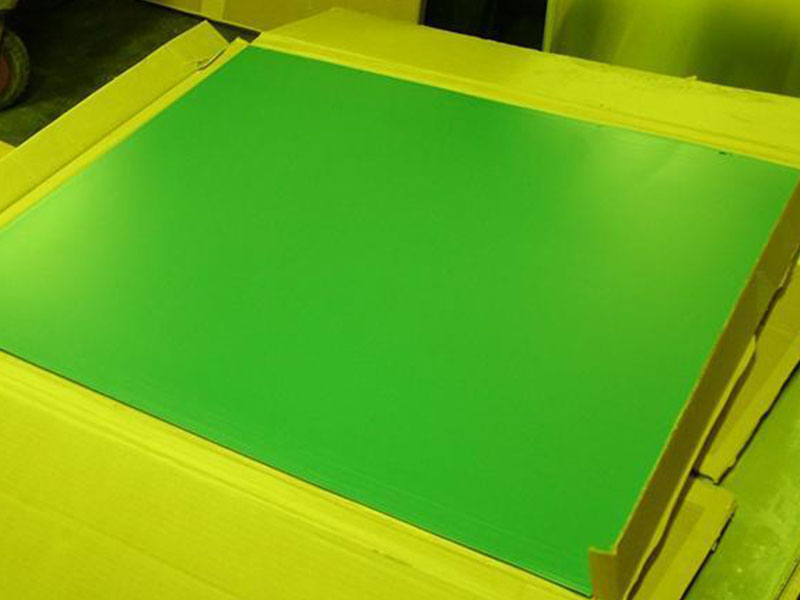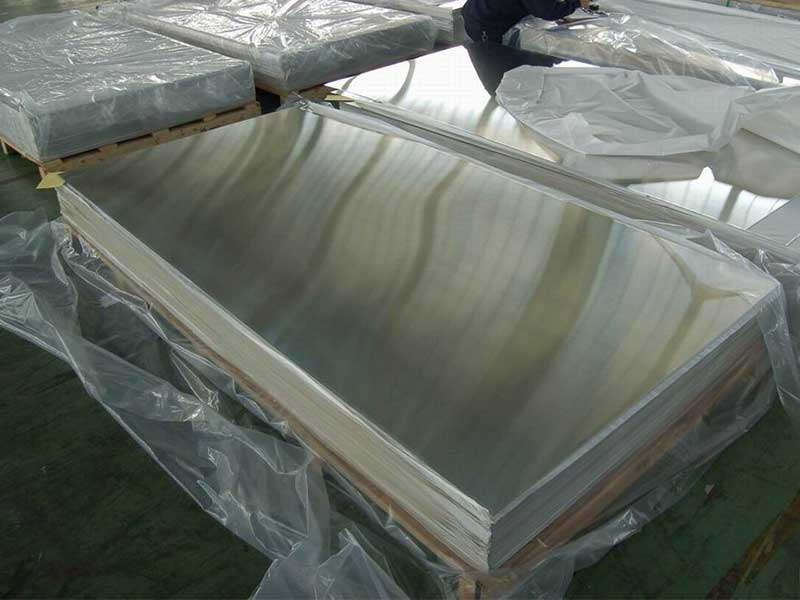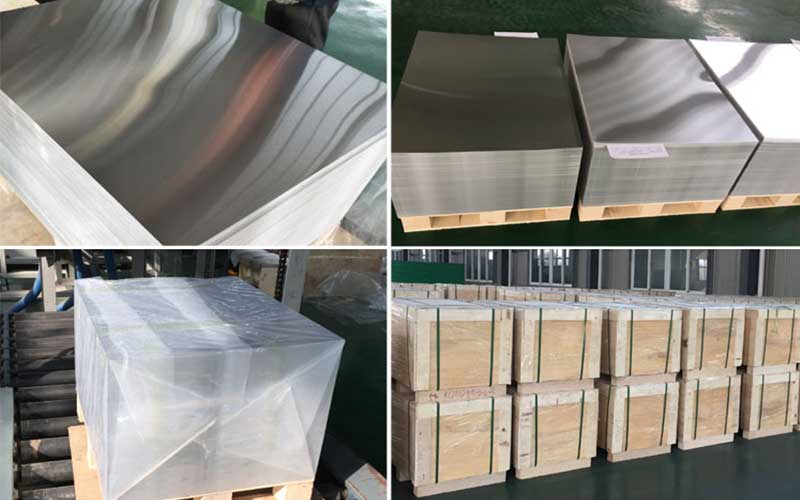

Positive Offset Printing Thermal CTP Plate UV CTP CTCP Plate
Positive Offset Printing Thermal CTP Plate, UV CTP, and CTCP Plate - Choosing by "Workflow Heat," Not by Hype
When customers compare Positive Offset Printing Thermal CTP Plate, UV CTP, and CTCP plate options, the discussion often gets stuck on marketing labels (thermal vs UV vs violet). A more practical way to choose is to look at one thing: how much "workflow heat" your shop can handle-meaning variation in process, operator habits, water quality, press chemistry, and run-length expectations.
From that viewpoint, each plate type is not "better" or "worse"-it's more or less tolerant of your real production environment.
1) What "Positive Offset Printing" Really Means for Plate Behavior
A positive offset printing plate is built so that, after imaging and processing (or on-press development for some types), the image area becomes ink-receptive while non-image areas stay hydrophilic (water-friendly).
Why this matters to customers:
- Positive plates typically provide stable dot reproduction and are widely supported by common processors/chemistries.
- They can be a solid choice for shops that value predictable results and broad compatibility across presses and fountain solutions.
2) Thermal CTP Plate: "Process Stability First"
A Positive Offset Printing Thermal CTP Plate is imaged with a thermal laser (typically 830 nm). From a workflow perspective, thermal imaging is often selected for stability and resistance to ambient light.
Where thermal CTP shines (practical view):
- More forgiving in plate room handling (less sensitivity to typical white light conditions than some UV/violet systems).
- Well-suited for plants focusing on consistent reproduction and reduced rework.
- Often preferred when you want reliable daily output across operators and shifts.
What to confirm before buying:
- Required processor/chemistry (or whether it's processless/low-chem options).
- Your target run length and whether baking is needed for long runs.
- Compatibility with your current thermal platesetter.
3) UV CTP Plate: "Speed & Sharpness with Discipline"
A UV CTP plate is exposed using UV laser/light systems (implementation varies by supplier and device). The distinctive angle here: UV plate workflows can be extremely productive, but they reward shops that keep tight control of exposure consistency, calibration, and handling.
Best fit scenarios:
- Operations aiming for high productivity with repeatable jobs and controlled conditions.
- Plants that already manage standardization well (good maintenance habits, stable processing, consistent consumables).
What to confirm:
- Exact imaging wavelength and device match (UV systems vary).
- Recommended safe-light/handling rules and storage conditions.
- Processor settings and chemistry window (UV plates can be less forgiving if drift occurs).
4) CTCP Plate: "Bridge Technology that Protects Budget"
CTCP (Computer-to-Conventional Plate) typically uses a violet (around 405 nm) platesetter to image plates that are closer in behavior to conventional PS plates. The unique viewpoint: CTCP is often not chosen because it's "the newest," but because it reduces capital pressure while still giving you digital workflow benefits.
Where CTCP fits best:
- Shops upgrading from film/PS plates that want a cost-effective step into CTP.
- Environments where equipment cost and plate cost are decision drivers.
- Short-to-medium run commercial work where extreme plate durability isn't the top priority.
What to confirm:
- Platesetter wavelength (violet) and plate sensitivity match.
- Processor/chemistry requirements and availability.
- Expected run length and dot gain characteristics for your typical work.
5) A Fast Selection Guide (Customer-Friendly)
Choose based on your "workflow heat":
- You want maximum stability and less sensitivity to room conditions → Positive Offset Printing Thermal CTP Plate
- You want high output and have disciplined process control → UV CTP Plate
- You want a budget-friendly digital transition or lower equipment cost → CTCP Plate
6) The Buying Questions That Prevent Mistakes
Before placing an order, ask these four questions (they prevent most mismatches):
- Which platesetter wavelength do I have (830 thermal / UV / 405 violet)?
- Is the plate positive-working, and does it match my processing line?
- What run length do I truly need (and will I bake plates)?
- What is my priority: lowest cost, easiest stability, or highest throughput?
Closing Thought
Instead of treating Thermal CTP, UV CTP, and CTCP plates as competing "levels," treat them as different answers to different production realities. The right plate is the one that stays consistent when your shop is busiest-because in offset printing, the real cost is rarely the plate itself; it's downtime, remakes, and inconsistency.
https://www.aluminumplate.net/a/positive-offset-printing-thermal-ctp-plate-uv-ctp-ctcp-plate.html