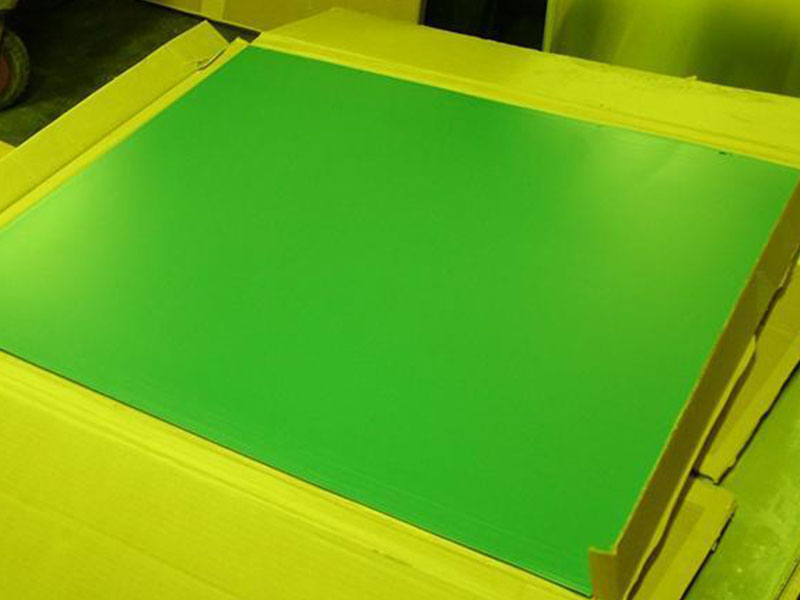

Printing Aluminum, ps aluminum sheet
Printing aluminum-commonly supplied as PS aluminum sheet (pre-sensitized aluminum)-is a purpose-built substrate for offset lithographic printing plates. It combines a carefully controlled aluminum alloy, precision rolling, electrochemical graining, anodizing, and a light-sensitive coating to produce a plate that images cleanly, runs stably on press, and delivers consistent dot reproduction over long print runs. For printers, plate makers, and trade shops, PS aluminum sheet is valued for its balance of image fidelity, durability, press stability, and process reliability.
What Is PS Aluminum Sheet?
PS stands for pre-sensitized: the aluminum base is treated and coated at the factory with a photosensitive layer (positive or negative working, depending on the process). The aluminum substrate is not "plain metal"-it is an engineered surface with:
- Electrochemical graining to form micro-pits that hold fountain solution and improve coating anchorage
- Anodizing to build a hard, porous oxide layer that increases wear resistance and hydrophilicity
- Sealing (optional, process-dependent) to tune water retention and plate longevity
- Photosensitive coating optimized for exposure, development latitude, and press performance
This manufacturing route creates the classic lithographic balance: non-image areas remain water-loving, while image areas accept ink after exposure and processing.
Features Customers Notice on Press
| Feature | What it means in production | Customer benefit |
|---|---|---|
| High surface hydrophilicity | Non-image area holds water uniformly | Stable ink-water balance, reduced scumming |
| Tight thickness & flatness control | Plate clamps evenly and runs true | Faster make-ready, less vibration and waste |
| Robust anodic layer | Higher abrasion resistance | Longer run length, fewer plate changes |
| Uniform graining | Consistent micro-texture across the sheet | Smooth tone transitions, cleaner dots |
| Strong coating adhesion | Coating bonds to oxide pores | Reduced coating lift, improved durability |
| Good dimensional stability | Low residual stress after rolling and treatment | Less misregister, better repeat accuracy |
| Clean surface quality | Low inclusions, low contamination | Fewer pinholes, cleaner imaging |
Typical Applications
PS aluminum sheet is widely used wherever offset lithography demands repeatable quality.
| Application | Typical requirements | PS sheet advantages |
|---|---|---|
| Commercial offset printing | Crisp text, stable solids, midtone control | Consistent dot gain behavior and water balance |
| Packaging & labels | Long runs, abrasion resistance | Strong anodizing and coating durability |
| Book & publication printing | High speed, consistent registration | Flatness and dimensional stability |
| Newspaper & short-run jobs | Fast imaging and processing latitude | Reliable development and quick on-press start |
| General plate making (trade shops) | Multiple brands/workflows | Standardized specs, wide compatibility |
Alloy and Temper Options (Common Industry Choices)
Most PS aluminum sheet for conventional plates uses AA1050/1060/1070 or similar high-purity aluminum for superior electrochemical graining response and hydrophilicity. Some suppliers also offer 3xxx-series options for specific mechanical needs.
| Alloy (typical) | Purity / type | Typical temper | Why it's used |
|---|---|---|---|
| 1050 | ≥99.5% Al | H18 / H19 (work hardened) | Balanced strength, excellent graining/anodizing response |
| 1060 | ≥99.6% Al | H18 / H19 | Higher purity, stable hydrophilicity |
| 1070 | ≥99.7% Al | H18 / H19 | High purity for consistent surface treatment |
| 3003 (select cases) | Al-Mn alloy | H18 | Added strength; may affect graining response |
Note: Final plate behavior depends not only on alloy, but also on rolling history, surface treatment parameters, and coating system.
Chemical Composition (Typical Reference Ranges)
Below is a practical reference for common base alloys used in PS aluminum sheet. Actual limits should follow the supplier's mill test certificate and the relevant standard.
| Element (wt.%) | AA1050 (typ.) | AA1060 (typ.) | AA1070 (typ.) |
|---|---|---|---|
| Al (min) | 99.50 | 99.60 | 99.70 |
| Si | ≤0.25 | ≤0.25 | ≤0.20 |
| Fe | ≤0.40 | ≤0.35 | ≤0.25 |
| Cu | ≤0.05 | ≤0.05 | ≤0.04 |
| Mn | ≤0.05 | ≤0.03 | ≤0.03 |
| Mg | ≤0.05 | ≤0.03 | ≤0.03 |
| Zn | ≤0.07 | ≤0.05 | ≤0.04 |
| Ti | ≤0.05 | ≤0.03 | ≤0.03 |
Technical Specifications (Typical Supply Range)
PS aluminum sheet is specified by thickness, width/length, surface treatment grade, and coating system. The table below summarizes common supply ranges used by plate manufacturers and distributors.
| Item | Typical range / option | Notes |
|---|---|---|
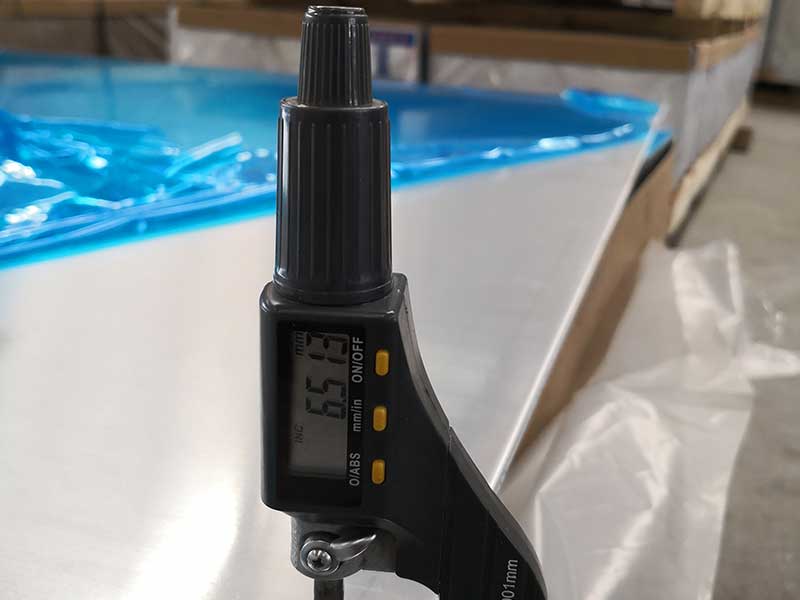
| Thickness | 0.15–0.40 mm (common: 0.24–0.30 mm) | Chosen by press size, stiffness needs |
| Width | 300–1350 mm | Coil or sheet formats |
| Length | 400–2000 mm | Cut-to-size available |
| Temper | H18 / H19 | Ensures stiffness and handling strength |
| Surface | Electrochemical grained + anodized | to lithographic performance |
| Anodic layer weight | 1.0–3.0 g/m² (typ.) | Higher often improves run length |
| Surface roughness (Ra) | 0.30–0.80 μm (typ.) | Tuned for coating and water retention |
| Coating type | Positive / negative PS | Matched to exposure workflow |
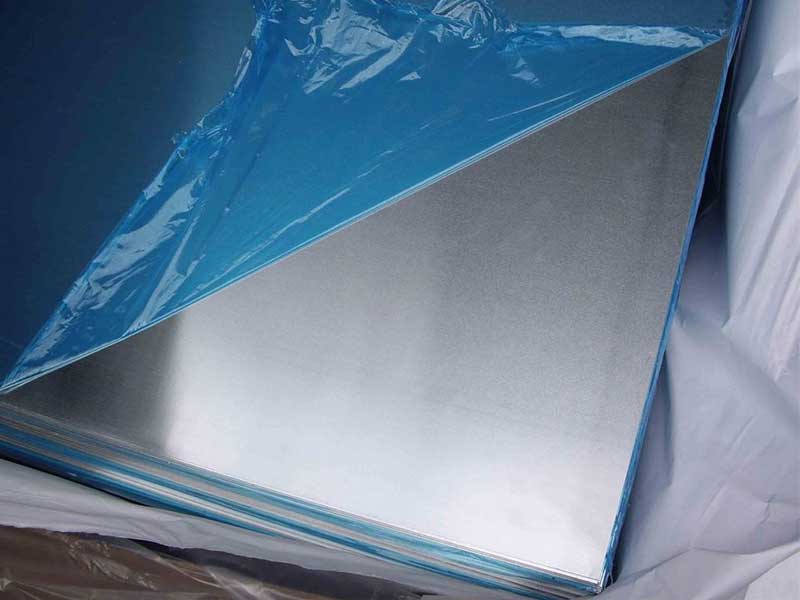
| Packaging | Anti-moisture + anti-scratch | Protects coating and oxide layer |
Performance Parameters (What Buyers Should Ask For)
Because printing performance is a system outcome, the most useful "numbers" are the ones that correlate with imaging and press behavior.
| Parameter | Typical expectation | Why it matters |
|---|---|---|
| Thickness tolerance | Tight, consistent across sheet | Registration stability and clamp fit |
| Flatness | Low wave / low camber | Reduces press vibration and waste |
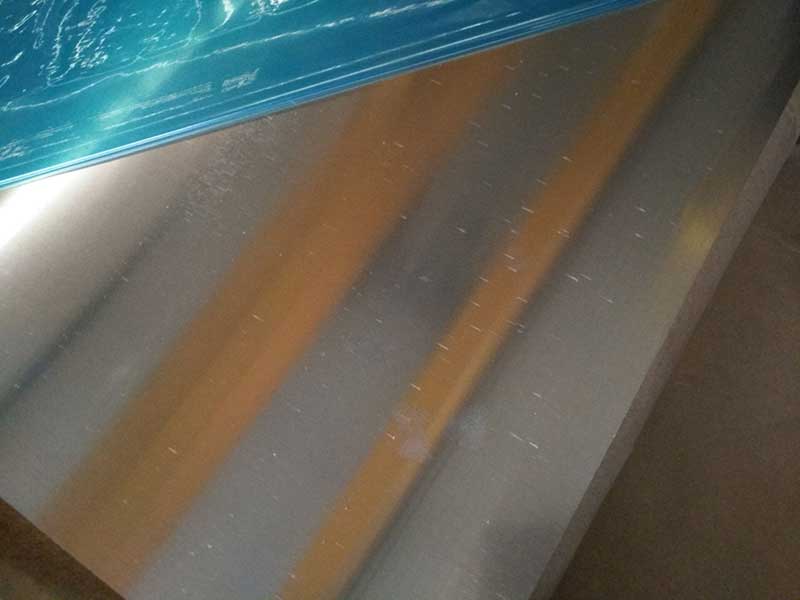
| Surface uniformity | Even graining, no streaks | Prevents tone mottle and uneven wetting |
| Coating adhesion | High, no peeling during processing | Plate durability and reduced rejects |
| Anodizing quality | Dense, uniform oxide | Wear resistance and hydrophilicity |
| Defect control | Minimal pinholes, pits, scratches | Cleaner imaging and fewer press stops |
Manufacturing Snapshot (Why the Surface Matters)
PS aluminum sheet is often described as "an aluminum plate," but performance is mainly driven by the engineered surface:
| Process stage | Purpose | Result on plate |
|---|---|---|
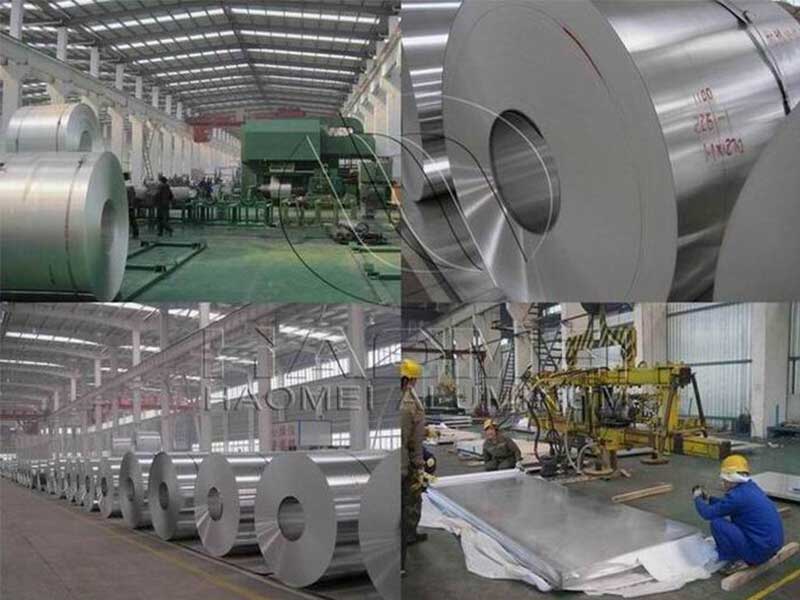
| Precision rolling & stress control | Flatness, strength, dimensional stability | Better registration and handling |
| Degreasing & cleaning | Remove oils/contamination | Uniform graining and coating |
| Electrochemical graining | Create micro-pit texture | Water retention, coating anchor |
| Anodizing | Build porous Al₂O₃ layer | Wear resistance, hydrophilicity |
| Coating & curing | Apply photosensitive layer | Imaging performance and sensitivity |
| Slitting / sheeting / packaging | Prevent damage | Lower defect rate at customer site |
How to Choose the Right PS Aluminum Sheet Quickly
| Your priority | Recommended focus | Practical tip |
|---|---|---|
| Long run length | Higher-quality anodizing, robust oxide layer | Ask for anodic layer weight and run-length target |
| Sharp dots & smooth gradients | Uniform graining, controlled Ra | Request Ra range and surface uniformity control |
| Fast make-ready | Flatness and tight thickness control | Confirm flatness criteria and tolerance |
| Fewer defects | Cleanliness + packaging + inspection level | Specify defect acceptance and protective packaging |
| Workflow compatibility | Correct coating type and sensitivity | Match to exposure unit and developer chemistry |
Storage and Handling Notes (To Protect the Coating)
| Factor | Recommended practice | Risk if ignored |
|---|---|---|
| Temperature & humidity | Cool, dry storage; avoid condensation | Coating fog, oxidation, poor imaging |
| Light exposure | Store in original packaging | Unwanted pre-exposure |
| Handling | Use gloves; avoid abrasion | Scratches, fingerprints, coating damage |
| Shelf life | Use FIFO inventory | Sensitivity drift over time |
https://www.aluminumplate.net/a/printing-aluminum-ps-aluminum-sheet.html