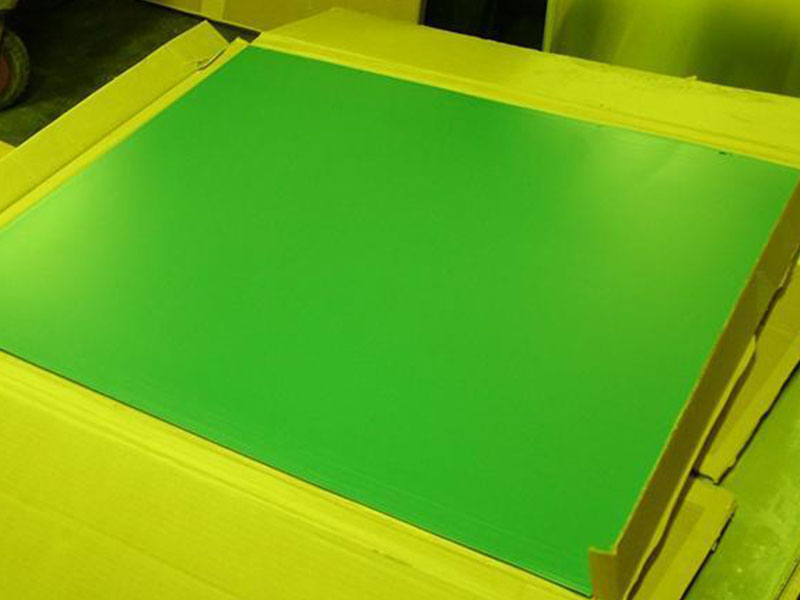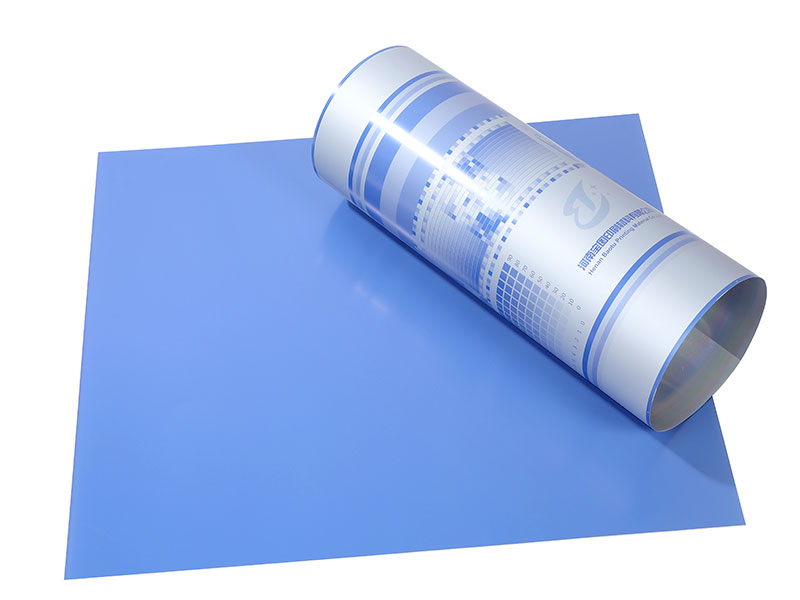

Plate Double Layer Thermal CTP Plate for Offset Printing ctcp plates
In the world of modern printing, innovation in photopolymer plates has revolutionized graphic arts and increase printing efficiency. The Plate Double Layer Thermal CTP Plate for Offset Printing stands out as a cutting-edge technology designed to optimize the Computer-To-Plate (CTP) imaging process, delivering superior results for offset printing applications. Known also as CTCP plates, these bespoke plates integrate a double-layer photopolymer system onto a robust aluminum substrate, ensuring excellent print quality, durability, and environmental benefits.
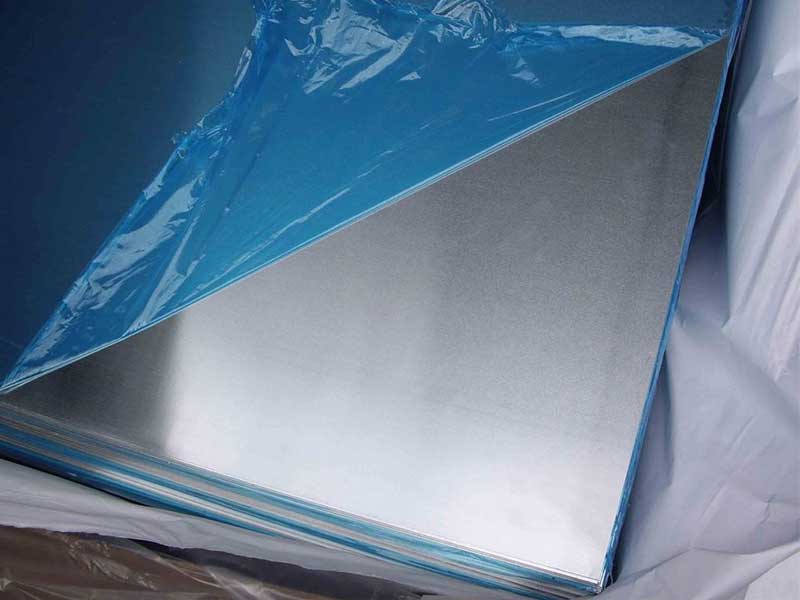
This double-layer thermal CTP plate involves a specially engineered construction where a thermal-sensitive image layer and a robust protective layer adhere to a treated aluminum base. It provides exceptional thermal stability, fast processing, and the highest resistance during press runs.
The two primary functions of this plate are:
- Transforming digital laser exposure data directly into high-resolution printing plates without intermediary films.
- Enhancing print longevity and consistency through improved layer cohesion and substrate quality.
Technical Functions
Thermal CTP plates function by absorbing infrared laser exposure (typically 830-880 nm wavelengths) to create an imageable polymer layer affected by differential solubility during development. The double layer approach delivers comprehensive benefits such as:
- Improved durability: The top protective layer delivers excellent chemical and abrasion resistance during press runs.
- Fine detail rendering: The thermal-sensitive image layer enables ultra-fine tonal control indispensable for high-quality offset printing.
- Compatible with environmentally favorable processes: Many double-layer plates are compatible with solvent-free or low-chemistry development, significantly reducing waste and toxic exposure.
- Longer run-length capacity: These plates sustain prolonged large-volume printing with limited degradation.
- Fast processing: The thermal technology avoids the need for intermediate steps, speeding press setup.
Typical Applications
The double layer thermal plates from CTCP are ideal for varied offset printing demands, from commercial print shops to packaging and label production sectors requiring swift turnaround times and high fidelity. Specifically:
- Commercial Sheet-fed Offset Printing aimed at reproducing artwork, brochures, and magazines.
- Web Offset Printing for newspapers, catalogs, or packaging materials.
- Flexible substrate printing, including food and beverage label production.
- Specialty runs requiring fine screen ruling and high image resolution reproduction.
Plate Structure and Composition
Double-layer thermal plates typically consist of:
| Layer | Function | Feature |
|---|---|---|
| Aluminum Base | Stability and durability | High-purity, treated for adherence |
| Intermediate Layer | Adhesion promoter | Enhances bond between substrate & photopolymer |
| Image Layer | Radiation-sensitive polymer | Thermal sensitivity and print image formation |
| Protective Layer | Chemical and mechanical protection | Ensuring plate endurance on press |
Alloy and Temper Specifications
The aluminum base typically conforms to the following industry standards tailored for offset printing plates:
| Standard | Alloy Type | Temper | Description |
|---|---|---|---|
| JIS-H4000 | A1050 or 1060 | O | Commercial pure aluminum with good corrosion resistance |
| ASTM B491 | AA1050/1060 | O | High-purity alloy for minimum surface contamination, best wettability |
| EN 573-3 | Al 99.5% variant | O | Fully annealed condition ensuring excellent formability and finish |
Temper Condition:
The typical temper applied is annealed (O temper) to deliver a soft and ductile aluminum plate essential for accurate flatness and intaglio layer coating.
Chemical Composition of Aluminum Base
| Element | Content (%) | Role in Base Metal |
|---|---|---|
| Aluminum (Al) | ≥ 99.5 | Primary metal, inherent strength |
| Iron (Fe) | < 0.4 | Improves strength, limits corrosion |
| Silicon (Si) | < 0.25 | Enhances hardness and surface finish |
| Copper (Cu) | < 0.05 | Minimizes atmospheric corrosion |
| Manganese (Mn) | < 0.05 | Increases formability and film adhesion |
| Others | Trace | Negligible with stringent purity requirements |
Thermal CTP Plate Parameters & Performance
| Parameter | Typical Value | Description |
|---|---|---|
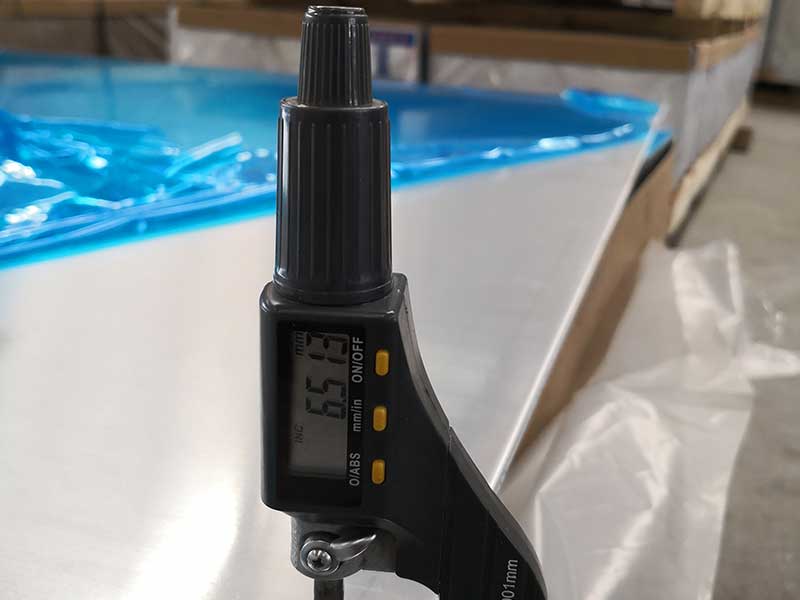
| Plate Thickness | 0.3 mm - 0.4 mm | Compatible with press cylinders |
| Photosensitivity | Laser wavelength 830–880 nm | Infrared thermal imaging |
| Exposure Energy | 60–150 mJ/cm² | Responsiveness affecting image quality |
| Resolution Capabilities | Up to 2400 dpi | Extremely fine detail fidelity |
| Maximum Image Area Size | 1270 mm × 940 mm (custom sizes may vary) | Suited for various printing presses |
| Run Length Capacity | Over 150,000 impressions | Runs under standard printing chemistry conditions |
Developer and Processing Compatibility
Modern double-layer thermal CTP plates are engineered for compatibility with environmentally conscious developers, often including non-phenolic or aqueous solutions minimizing pollution and cost:
| Developer Solution Type | Suitable Plate Model | Environmental Impact |
|---|---|---|
| Low-alkaline (pH 10–11) | Double layer thermal CTCP plates | Minimal chemical hazards, less sewage load |
| Solvent-free/aqueous | Select advanced polymer plates | Zero solvent emissions or vapors |
| Wet Bluing option available | Enhances plate run length | Prolongs lifespan without hardening on press |
Advantages Over Conventional Plates
- Higher durability and run length via protective overlay layers
- Fine line and screen33 reproduction, ideal for high-end commercial crown prints
- Elimination of solvent-based processing where possible, promoting naming "eco-friendly" credentials
- Improved press performance with precise image registration due to excellent substrate flatness and coating uniformity.
- Suited for latest violet/thermal laser CTP systems enabling increased throughput.